- Home
- About Us
- Treatments
-
-
- Skin
-
- Face
-
- Breast
- Reconstructive
-
- Body
- Genitalia
- Maxillofacial
-
-
- Doctors
- Blogs
- Gallery
- Contact Us
- Home
- About Us
- Treatments
-
-
- Skin
-
- Face
-
- Breast
- Reconstructive
-
- Body
- Genitalia
- Maxillofacial
-
-
- Doctors
- Blogs
- Gallery
- Contact Us
Xanthelasma Treatment in Mumbai - Cholesterol Deposit Removal at Navaa Plastic & Cosmetic Surgery

Xanthelasma is a common but often misunderstood skin condition – soft, yellowish patches of cholesterol deposits that form on or around the eyelids, most commonly near the inner corners. While the patches themselves are painless and medically harmless, they tend to grow larger over time if left untreated, and many patients find them ageing and increasingly noticeable in daily life. The good news is that xanthelasma is entirely treatable with the right technique.
At Navaa Plastic & Cosmetic Surgery, xanthelasma treatment is performed by MCh-qualified plastic surgeons with specific expertise in the delicate anatomy of the eyelid. Because xanthelasma forms in one of the thinnest and most sensitive areas of skin on the body, the precision of the surgeon performing the procedure directly affects both the completeness of removal and the quality of the cosmetic result. Multiple treatment techniques are available, and the right approach is chosen based on the size, depth, and location of your specific patches.
— Why Choose Us
Why Choose Navaa Plastic and Cosmetic Surgery Clinic for Xanthelasma Treatment in Mumbai?
At Navaa Plastic and Cosmetic Surgery Clinic, we combine surgical precision with aesthetic artistry to achieve refined and natural outcomes.
MCh Plastic Surgeons – Eyelid Expertise
Xanthelasma can be treated with surgical excision, laser, or chemical methods. At Navaa, MCh-qualified plastic surgeons provide specialised care with a focus on eyelid anatomy and aesthetics.
Multiple Treatment Techniques
Treatment options include surgical excision, CO2 laser, TCA chemical peel, and radiofrequency. The most suitable technique depends on the size, thickness, and location of the patches.
Eyelid Anatomy Expertise
The eyelid is delicate and highly visible, making precision important. At Navaa, treatment is planned to address xanthelasma while aiming to minimise visible scarring.
Personalised Treatment Planning
Your treatment is planned around the size, thickness, number, and location of your xanthelasma, rather than using a single approach for every patient.
Located in Andheri, Mumbai
Modern facilities, advanced technology, and patient-focused care in a convenient Andheri location, with support throughout treatment and follow-up.
Before & After Results
Before-and-after results from xanthelasma treatments, including surgical and non-surgical approaches, are available for review during consultation.
— Our Doctors
Meet Our Expert Team
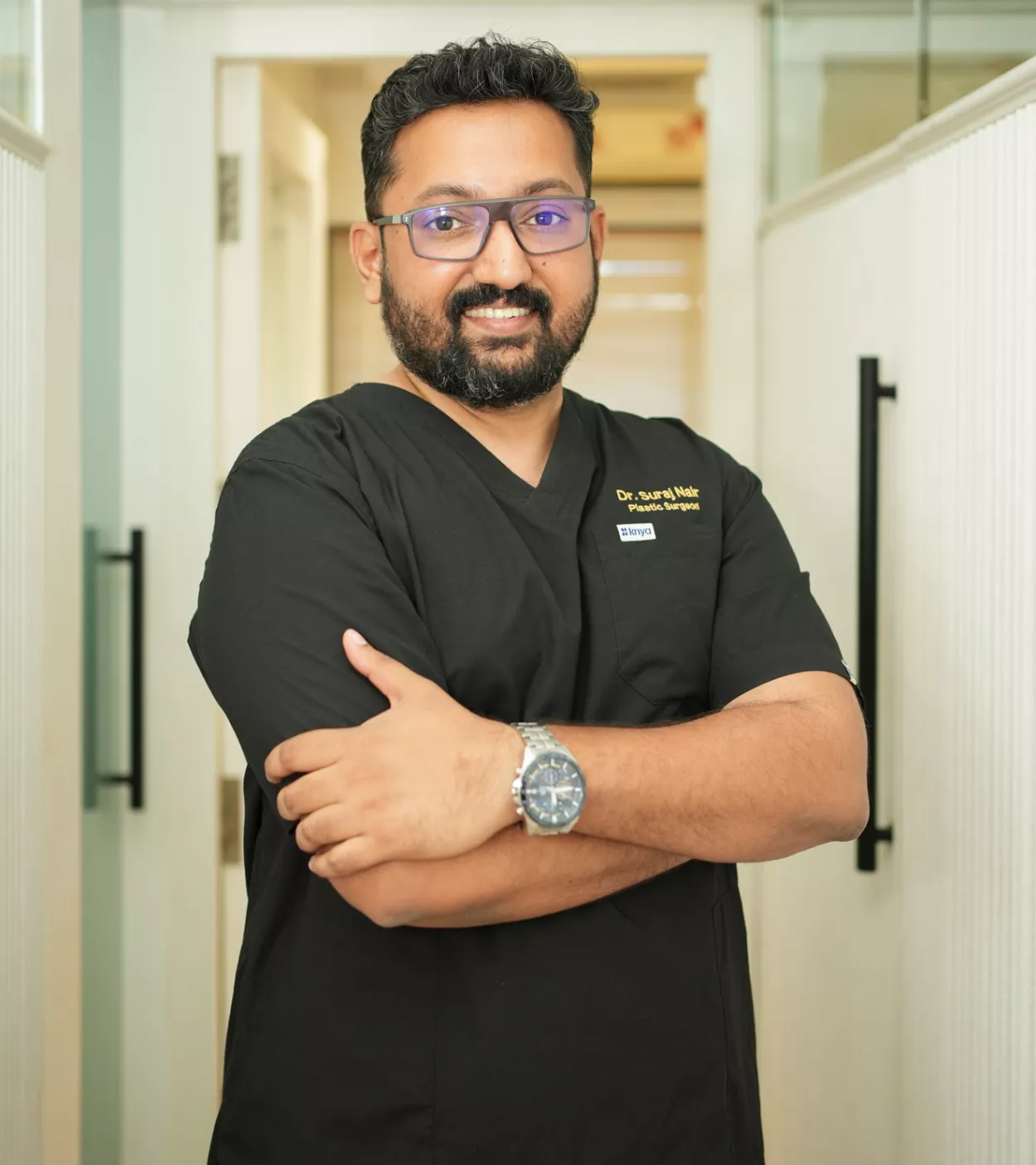
Dr. Suraj Nair
Trained at PGIMER, Chandigarh, Dr. Nair is a highly experienced breast cosmetic surgeon known for performing numerous breast augmentations, reductions, and lifts with natural outcomes.

Dr. Sanket Shetty
M.Ch Plastic Surgeon with international training at Royal Stoke Hospital, UK, experienced in advanced aesthetic and reconstructive surgeries.

Dr. Lukesh Rathod
With over 10 years of experience, Dr. Rathod specializes in minimally invasive aesthetic procedures and advanced skin treatments
Xanthelasma Treatment Options We Offer
Surgical Excision
Surgical excision removes the xanthelasma directly and may be suitable for larger, thicker, or more extensive patches. The technique is selected based on the lesion’s size, location, and eyelid anatomy.
CO2 Laser Treatment
CO2 laser treatment precisely targets superficial xanthelasma by vaporising affected tissue. It may be considered for smaller, superficial lesions, with treatment settings adjusted to the individual case.
TCA Chemical Peel
TCA chemical peels use a controlled chemical solution to treat suitable superficial xanthelasma. The treatment is carefully applied to the affected area based on the lesion’s size and depth.
Radiofrequency (RF) Cautery
RF cautery uses controlled energy to treat suitable xanthelasma by targeting the affected tissue. It may be considered for smaller lesions after assessment by your surgeon.
Remove eyelid cholesterol deposits safely with expert xanthelasma treatment in Mumbai.
Take the first step towards clear eyelids today — Book your consultation with a trusted xanthelasma specialist in Mumbai.
What is Xanthelasma?
Xanthelasma – medically known as xanthelasma palpebrarum – is a common, benign skin condition in which soft, flat, slightly raised yellowish or whitish plaques of cholesterol form beneath the skin, most commonly at the inner corners of the upper and lower eyelids. It can affect one or both eyes, and patients typically first notice a small patch that grows gradually larger over months or years if left untreated. Xanthelasma is not painful and is not dangerous in itself, but it is a cosmetic concern for many patients and, in some cases, a visible marker of an underlying health issue worth investigating.
Xanthelasma and Cholesterol - Why It Happens
Xanthelasma occurs when cholesterol and other lipids accumulate within cells beneath the thin eyelid skin, forming visible deposits. In roughly half of patients, xanthelasma is associated with elevated blood cholesterol or broader lipid abnormalities (dyslipidaemia), and it can also be linked to diabetes, thyroid dysfunction, and fatty liver disease. In the remaining patients, xanthelasma occurs with entirely normal blood lipid levels, and the exact reason it develops in these cases is less well understood. Because of this association, a proper medical evaluation – including a fasting cholesterol and lipid profile – is a valuable part of the assessment for anyone presenting with xanthelasma, even though the treatment of the visible patches themselves is a separate, cosmetic surgical matter from managing any underlying lipid condition.
Xanthelasma vs Xanthoma - What is the Difference?
Xanthelasma refers specifically to these cholesterol deposits when they occur on the eyelids – it is, in effect, a specific type of xanthoma with its own name because of how commonly it occurs in this particular location.
Xanthoma is the broader term for similar cholesterol and lipid deposits that can occur anywhere on the body – including the elbows, knees, hands, tendons, and buttocks – not just the eyelids. Xanthomas elsewhere on the body are more frequently associated with significantly elevated lipid levels or underlying metabolic conditions and may warrant more thorough investigation than eyelid xanthelasma alone.
Both conditions share the same underlying mechanism – localised cholesterol deposition beneath the skin – but the eyelid location of xanthelasma, and how commonly it is seen there, is what gives it its own specific medical name
Which Treatment is Right for Your Xanthelasma?
Choose surgical excision if: your xanthelasma is large, thick, or has recurred after previous treatment, or if complete, single-session removal with the lowest recurrence rate is your priority.
Choose CO2 laser or RF cautery if: your patches are small to medium-sized and relatively superficial, and you prefer a non-surgical, no-stitches approach with a quick recovery.
Choose TCA chemical peel if: your xanthelasma is mild and thin, and you want the most affordable, lowest-risk option, understanding that more than one session may be needed.
Your surgeon will examine the size, thickness, and depth of your specific patches at consultation and recommend the technique most likely to give you a complete, cosmetically excellent result – not simply the option that is quickest to sell.
Who is the Right Candidate for Xanthelasma Treatment?
Signs You May Benefit From Xanthelasma Treatment
You may be a suitable candidate if:
– You have yellowish or whitish patches around your eyelids that bother you cosmetically
– Your xanthelasma has been growing larger over recent months or years
– You have tried home remedies or over-the-counter creams without any improvement – these genuinely cannot dissolve cholesterol deposits beneath the skin
– You are in good general health with no active eye infections or eyelid skin conditions
– You are not currently pregnant or breastfeeding
– You have realistic expectations about the technique appropriate for your specific patch size and depth
When to See a Doctor Before Treatment
Because xanthelasma can be associated with underlying lipid, thyroid, or metabolic conditions in a meaningful proportion of patients, it is worth having your cholesterol and lipid profile checked – either through your physician or as part of your consultation at Navaa – before or alongside cosmetic treatment. This is not required to remove the visible patches, but identifying and managing an underlying condition, where present, is good general health practice and may also help reduce the chance of new patches forming in the future.
How Xanthelasma Treatment Works at Navaa - Step by Step
Consultation and Assessment
Your consultation begins with an examination of your xanthelasma, including its size, thickness, depth, and location. Your surgeon assesses the eyelids and recommends the most appropriate treatment based on your individual case.
Anaesthesia and Preparation
Local anaesthesia is used when appropriate to numb the treatment area. For surgical excision, the eyelid is carefully prepared and the incision is planned along the natural eyelid crease where suitable.
The Procedure
For surgical excision, the xanthelasma is carefully removed and the wound is closed with fine sutures when required. Laser, RF cautery, or TCA treatment is performed using the technique selected for your condition.
Recovery, Aftercare, and Follow-Up
Mild bruising, swelling, and tenderness may occur after treatment. Follow your surgeon’s aftercare instructions and keep the treated area protected. Healing and follow-up vary depending on the treatment performed, with results assessed as the area heals.
Xanthelasma Treatment Cost in Mumbai
The cost of xanthelasma treatment at Navaa depends on the technique used, the size and number of patches, and whether one or both eyelids are affected. A detailed, transparent cost estimate is provided at consultation after the surgeon has assessed your specific case.
Factors That Affect the Cost
– Treatment technique: surgical excision, CO2 laser, TCA chemical peel, and RF cautery each have different cost structures
– Size and thickness of the patches: larger, thicker, or deeper xanthelasma requires more extensive treatment
– Number of patches: single, unilateral xanthelasma costs less to treat than multiple or bilateral patches
– Number of sessions: chemical peel and some laser cases may require more than one session for complete clearance
– Combination approach: in some cases, combining techniques – for example excision for a larger patch and peel for smaller residual areas – is the most effective approach
EMI & Payment Options at Navaa
Navaa offers flexible EMI options through leading financial partners, making xanthelasma treatment accessible without requiring the full cost upfront. Our team will discuss payment options at consultation. As xanthelasma treatment is generally considered cosmetic, it is typically not covered by health insurance in India – our team can advise on this specifically for your case.
Recovery and Results
– Local anaesthesia only – no general anaesthesia required for any xanthelasma treatment technique
– Most patients resume normal daily activities within one to a few days
– Mild swelling and bruising after surgical excision settles within one to two weeks
– Scabs from laser or RF cautery fall away naturally within seven to ten days and should not be picked
– Surgical excision offers immediate, complete removal in a single session with the lowest recurrence rate
– Laser, peel, and RF cautery may occasionally require more than one session for complete clearance of thicker patches
– Fine surgical scars along the natural eyelid crease continue to soften and fade over one to three months
– Recurrence is possible with any technique if underlying cholesterol or lipid levels remain elevated, which is why medical evaluation alongside cosmetic treatment is worthwhile
Our Approach to Natural Results
Xanthelasma treatment at Navaa begins with matching the right technique to your specific patches – not defaulting to whichever option is quickest or most profitable to offer. For larger or recurrent xanthelasma, we recommend surgical excision honestly, even though it involves a small incision, because it gives the most reliable, lowest-recurrence result. For smaller, superficial patches, we are equally happy to recommend a simpler laser or peel-based approach. Because xanthelasma sits on some of the thinnest, most visible skin on the face, we treat every case with the same precision and respect for eyelid anatomy that guides our broader approach to periorbital surgery. For a full view of skin treatments at Navaa, explore our Skin Treatments at Navaa.

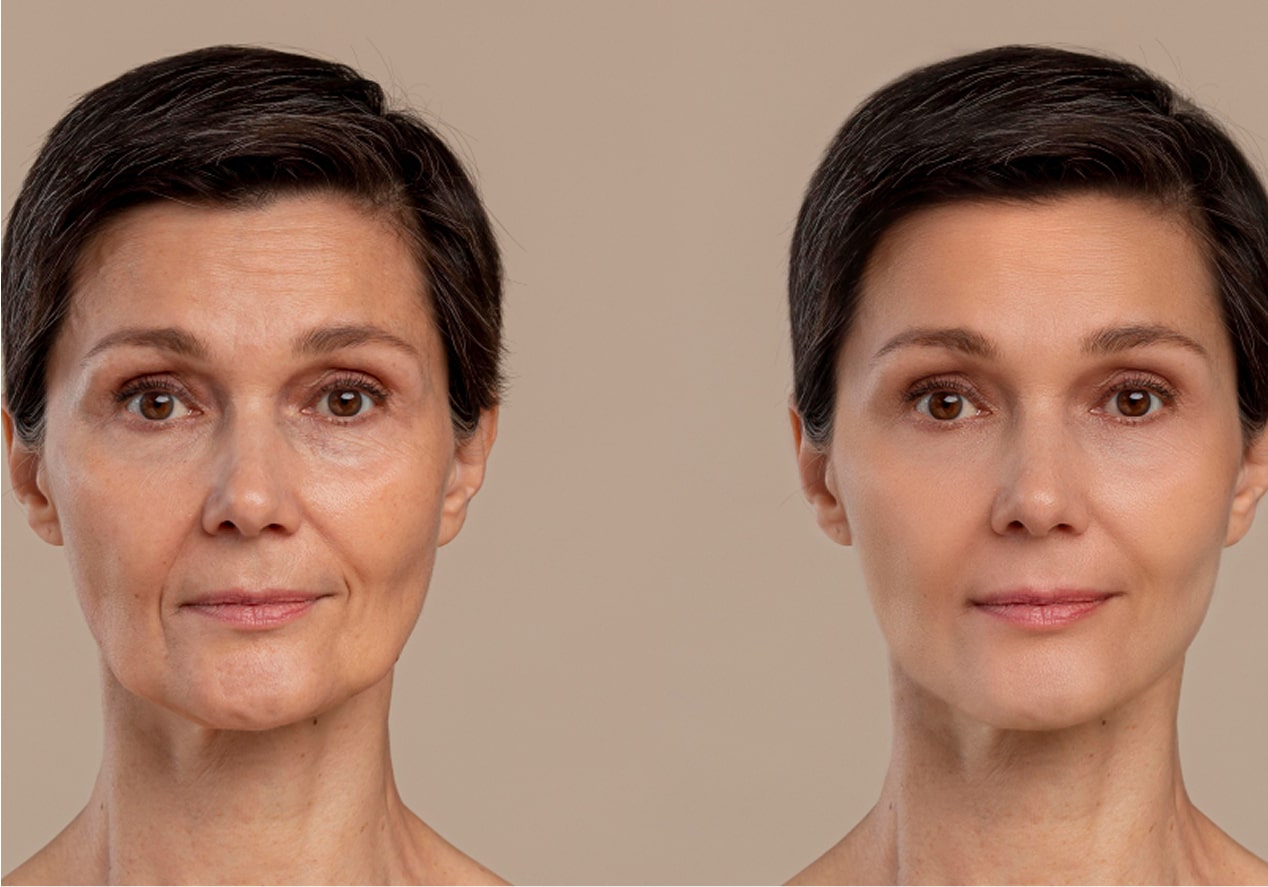
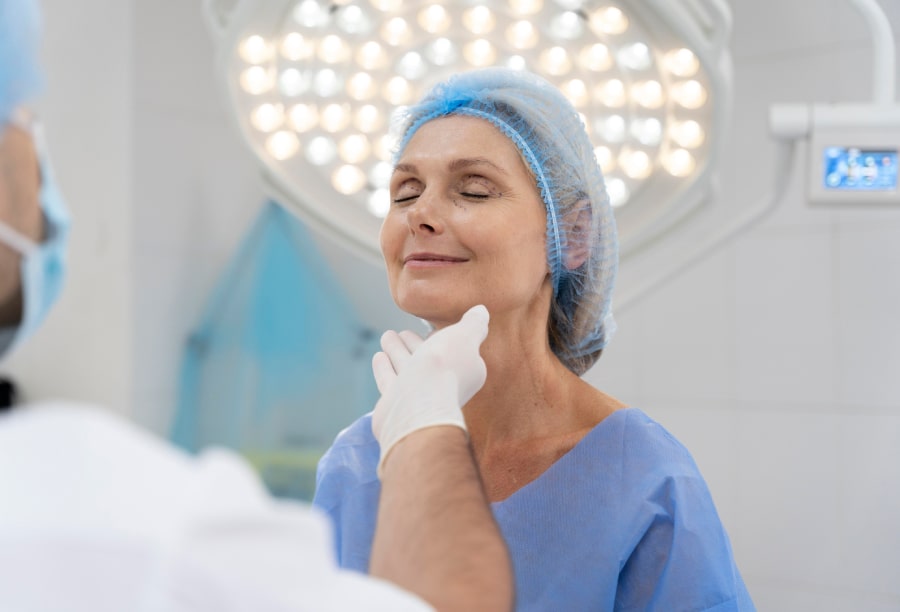
Restore clear, smooth eyelids with advanced xanthelasma removal at Navaa.
Take the first step towards smooth eyelids today — Book your consultation with an expert xanthelasma removal doctor in Mumbai.

Visit Best Clinic for xanthelasma treatment in Mumbai.
Navaa Aesthetics – Plastic Surgery Clinics
4th floor, 405, Morya Estate, New Link Rd, opp. Infinity Mall, Veera Desai Industrial Estate, Andheri West, Mumbai
Frequently Asked Questions About Xanthelasma Treatment in Mumbai
Is xanthelasma dangerous?
Does xanthelasma come back after removal?
Can home remedies remove xanthelasma?
Is xanthelasma treatment painful?
Will there be a scar after xanthelasma surgery?
Is laser or surgery better for xanthelasma?
How much does xanthelasma treatment cost in Mumbai?
Is xanthelasma linked to heart disease?
Have More Questions?
Still have questions or need personalised guidance? Our experts are here to help you make informed and confident decisions—every step of the way.
⭐⭐⭐⭐⭐ Rated 4.9/5 by 500+ Patients in Mumbai
Remove unwanted deposits and restore a clean, youthful eye appearance.
Navaa Plastic and Cosmetic Surgery Clinic, Andheri, Mumbai
Book your consultation today