- Home
- About Us
- Treatments
-
-
- Skin
-
- Face
-
- Breast
- Reconstructive
-
- Body
- Genitalia
- Maxillofacial
-
-
- Doctors
- Blogs
- Gallery
- Contact Us
- Home
- About Us
- Treatments
-
-
- Skin
-
- Face
-
- Breast
- Reconstructive
-
- Body
- Genitalia
- Maxillofacial
-
-
- Doctors
- Blogs
- Gallery
- Contact Us
Acne Scar Treatment in Mumbai - Laser & Surgical Scar Removal at Navaa Plastic & Cosmetic Surgery
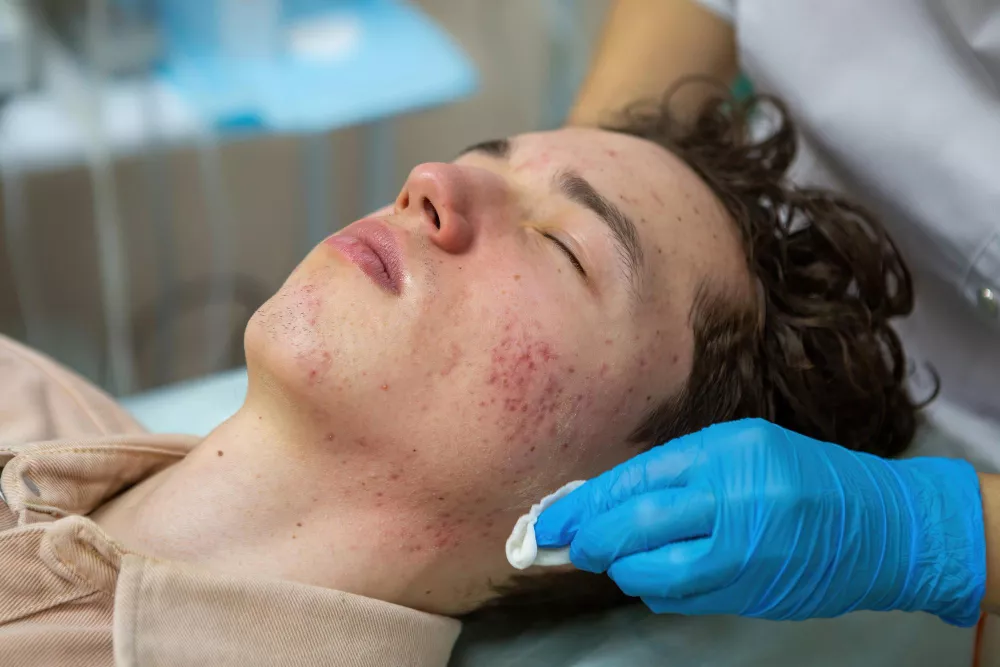
Acne scars are among the most common long-term effects of acne. While active acne can be treated, the scars it leaves behind are permanent structural changes within the skin and do not fade on their own. Although creams, serums, and home remedies may improve skin tone or pigmentation, they cannot repair the deeper tissue damage responsible for pitted, textured, or raised scars.
At Navaa Plastic & Cosmetic Surgery, acne scar treatment is performed by MCh-qualified plastic surgeons using a personalised combination of laser resurfacing, dermabrasion, subcision, fat grafting, PRP, and surgical excision. The treatment approach depends on the type, depth, and severity of your scars, as no single procedure is suitable for every patient. Following a detailed skin assessment, your surgeon will recommend the combination most appropriate for your concerns.
— Why Choose Us
Why Choose Navaa Plastic and Cosmetic Surgery Clinic for Acne Scar Treatment in Mumbai?
At Navaa Plastic and Cosmetic Surgery Clinic, we combine surgical precision with aesthetic artistry to achieve refined and natural outcomes.
MCh Plastic Surgeons
Your acne scar treatment is planned and performed by an MCh-qualified plastic surgeon with expertise in both surgical and non-surgical scar treatments. From laser resurfacing to subcision, fat grafting, and scar revision, every recommendation is based on your skin's needs rather than a limited range of available treatments.
Laser & Surgical Treatments
Some acne scars respond well to lasers, while others require surgical procedures such as subcision, fat grafting, or scar excision. At Navaa, both options are available under one team, allowing your surgeon to combine treatments when needed for better, more balanced results.
Treatment for Every Scar Type
No single treatment works for every acne scar. Rolling, boxcar, icepick, and raised scars each require a different approach. Your surgeon will identify the scar types affecting your skin and recommend a personalised treatment plan designed to achieve the best possible improvement.
Personalised Treatment Plan
Every treatment plan is tailored to your scar type, skin tone, and treatment goals. Your surgeon will also consider concerns such as post-inflammatory pigmentation, which is common in Indian skin, to create a safe and effective approach for your skin.
Located in Andheri, Mumbai
Our modern clinic combines advanced laser technology with personalised patient care. As acne scar treatment often involves multiple sessions, our team will guide you through every stage of your treatment and monitor your progress along the way.
Before & After Results
During your consultation, you can review real before-and-after results from patients treated for different types of acne scars and skin concerns. These examples help you understand the improvements that may be possible and set realistic expectations for your treatment.
— Our Doctors
Meet Our Expert Team
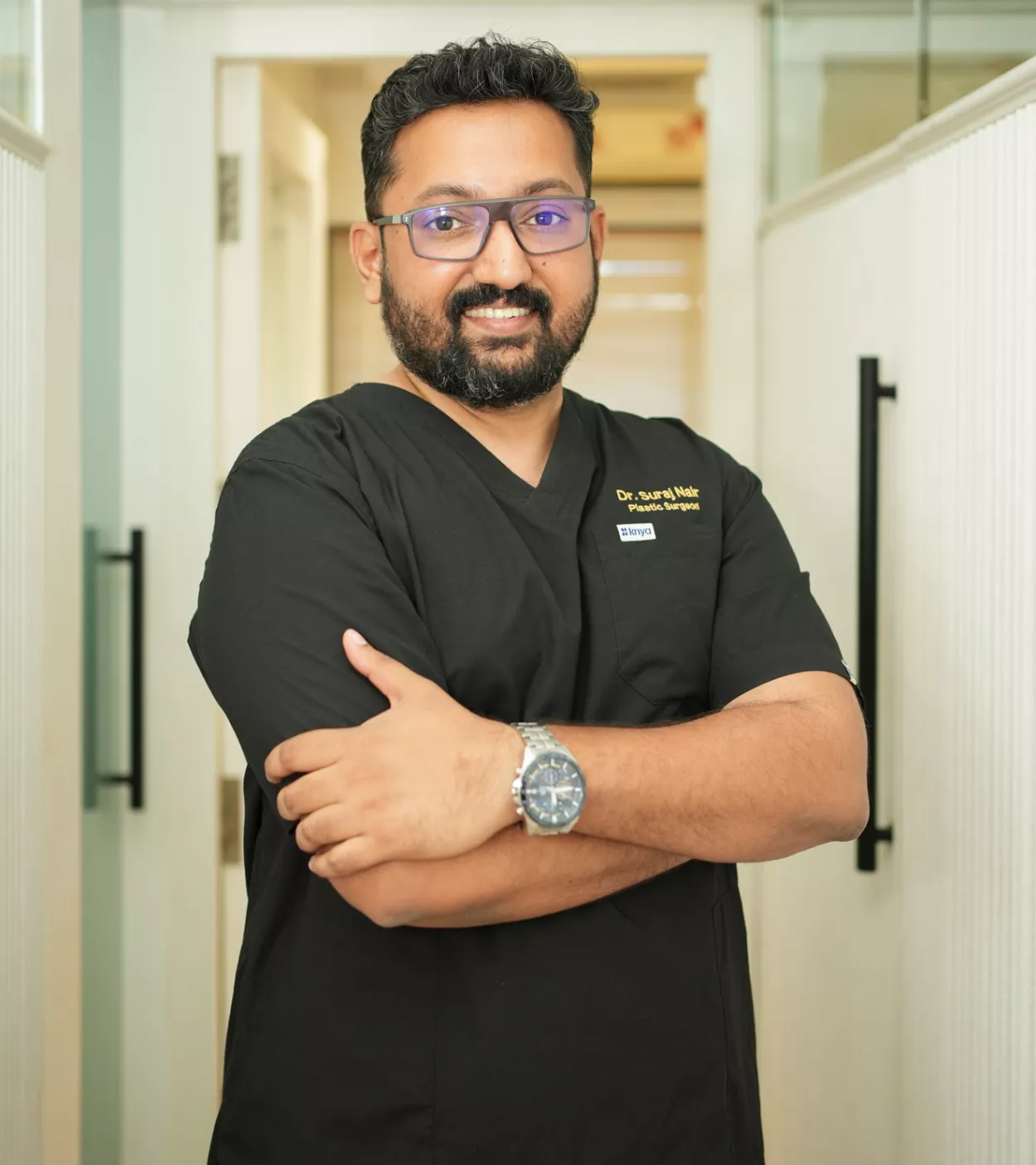
Dr. Suraj Nair
Trained at PGIMER, Chandigarh, Dr. Nair is a highly experienced breast cosmetic surgeon known for performing numerous breast augmentations, reductions, and lifts with natural outcomes.
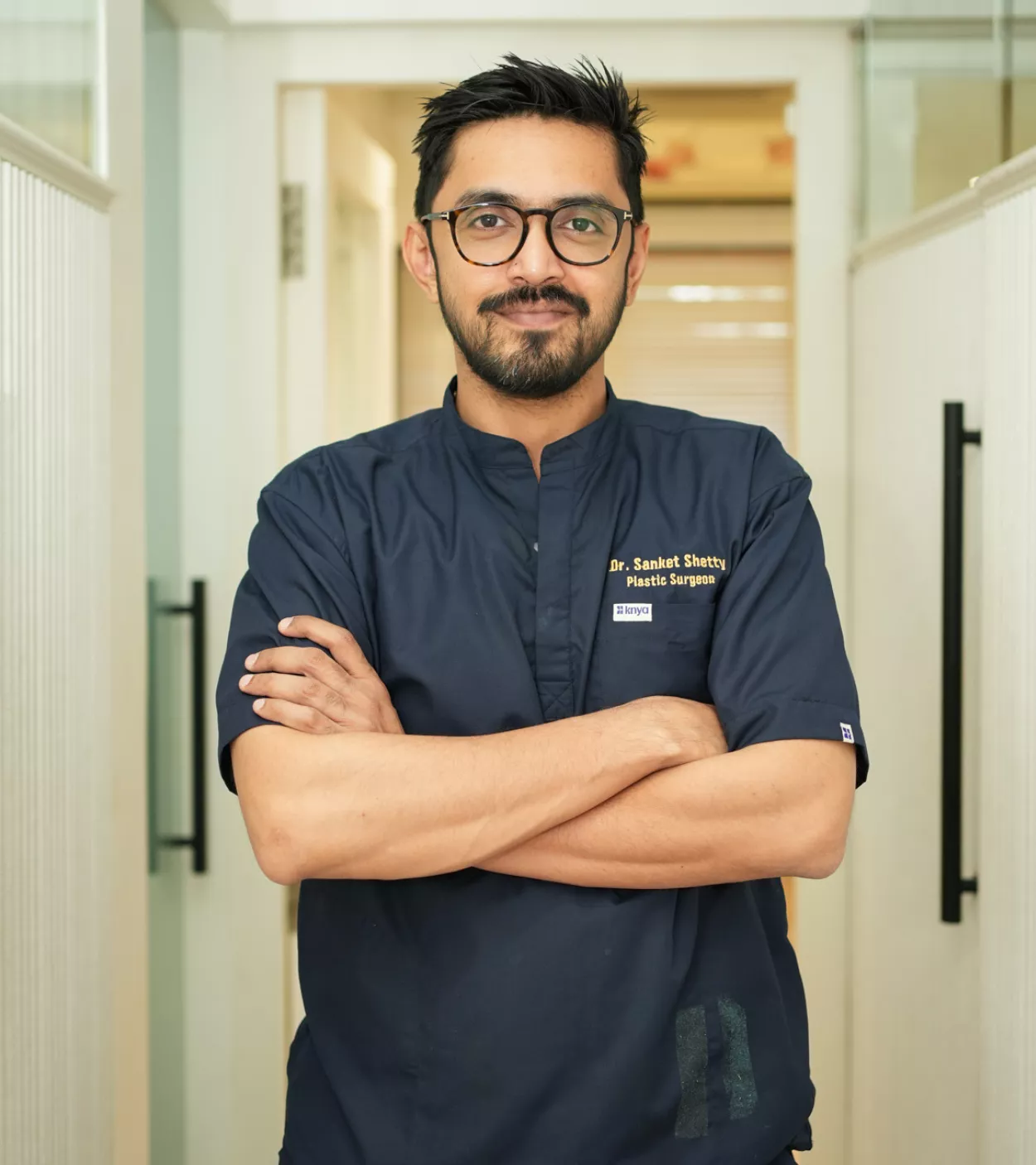
Dr. Sanket Shetty
M.Ch Plastic Surgeon with international training at Royal Stoke Hospital, UK, experienced in advanced aesthetic and reconstructive surgeries.
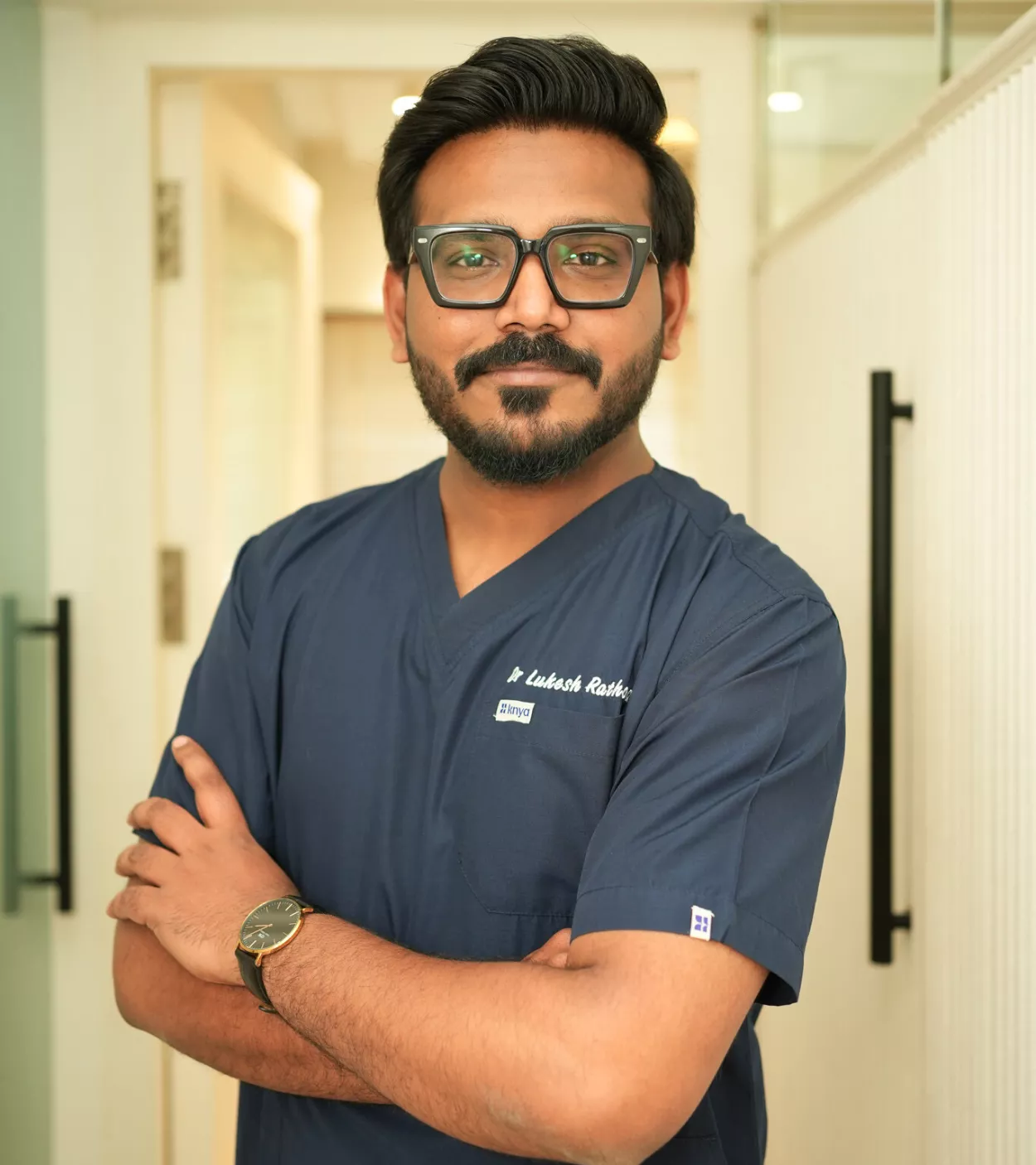
Dr. Lukesh Rathod
With over 10 years of experience, Dr. Rathod specializes in minimally invasive aesthetic procedures and advanced skin treatments
Acne Scar Treatment Options at Navaa
Laser Resurfacing – Fractional CO2 & Erbium
Laser resurfacing helps improve acne scars by stimulating new collagen and resurfacing damaged skin. Fractional CO2 laser is commonly recommended for moderate to severe scars, while Erbium laser may be more suitable for superficial scars or certain skin types. Most patients require multiple sessions to achieve gradual, noticeable improvement in skin texture and scar appearance.
Dermabrasion
Dermabrasion smooths the skin by gently removing its outer layers, helping reduce the appearance of shallow acne scars and uneven texture. It may be performed on its own or combined with other treatments, depending on the type and severity of your scars, to achieve a smoother and more even complexion.
Subcision
Subcision is a minor procedure used to treat rolling acne scars caused by scar tissue pulling the skin downward. By releasing these fibrous bands beneath the surface, the skin gradually lifts and appears smoother. It is often combined with laser treatment or other procedures for more comprehensive scar improvement.
Fat Grafting for Deep Acne Scars
Fat grafting is recommended for deep, depressed acne scars where there has been significant volume loss. Purified fat taken from your own body is placed beneath the scars to restore volume while improving the quality of the overlying skin. It is often combined with other treatments for enhanced results.
PRP Treatment for Acne Scars
PRP (Platelet-Rich Plasma) uses growth factors from your own blood to support skin healing and collagen production. It is commonly combined with treatments such as laser resurfacing or microneedling to improve recovery, enhance skin quality, and support overall scar improvement.
Surgical Scar Excision
Some deep or narrow acne scars respond best to surgical scar excision. This procedure removes the scar and closes the area with fine sutures, replacing it with a smaller, less noticeable scar. It is often recommended for selected icepick or boxcar scars that cannot be effectively treated with laser alone.
Smooth acne scars and improve skin texture with advanced acne scar treatment in Mumbai.
Take the first step towards clear skin today — Book your consultation with a trusted acne scar specialist in Mumbai.
Types of Acne Scars - and Which Treatment Works for Each
Understanding the type of acne scar present is the most important step in planning effective treatment. Different scar types have completely different causes and respond to completely different treatments. This is why a thorough consultation and skin assessment before treatment is essential – treating rolling scars with laser alone, or icepick scars with dermabrasion, will produce disappointing results.
Icepick Scars
Icepick scars are deep, narrow, V-shaped pits in the skin – typically 1 to 2mm wide but extending deep into the dermis. They are the most difficult acne scars to treat because their narrow, deep shape means surface resurfacing techniques (laser, dermabrasion) cannot reach the base of the scar. The most effective treatments are punch excision (surgically removing the scar and closing the tiny wound) or TCA Cross (trichloroacetic acid applied to the base of the scar to stimulate focal collagen production and fill it from the base up). Icepick scars on the nose and cheeks are particularly common.
Boxcar Scars
Boxcar scars are round or oval depressions with sharp, defined vertical walls – wider than icepick scars but not as deep. They occur when acne destroys collagen and the skin collapses into the deficit. Shallow boxcar scars respond well to laser resurfacing and microneedling. Deeper boxcar scars benefit from punch elevation (lifting the base of the scar to the level of the surrounding skin) combined with laser resurfacing. Subcision can also help release any underlying tethering.
Rolling Scars
Rolling scars create a wave-like, undulating surface texture across the skin rather than discrete pits. They are caused by fibrous bands of scar tissue that form beneath the skin surface, anchoring the skin downward and creating a rolling, irregular texture when the face moves or changes light angle. Rolling scars do not respond well to laser resurfacing alone – the fibrous tethering must be released first with subcision, after which the skin surface can be refined with laser or microneedling. Without subcision, laser treatment on rolling scars produces limited improvement.
Hypertrophic and Keloid Acne Scars
Hypertrophic acne scars are raised, firm, pink or red scars that remain within the boundary of the original acne lesion. Keloid acne scars extend beyond the original boundary and continue to grow. Both are more common on the jawline, chest, and back than on the face, and are particularly prevalent in darker skin types. Treatment includes intralesional steroid injections to flatten and soften the scar, silicone therapy, laser treatment to reduce redness and thickness, and in appropriate cases surgical revision. Keloid scars require careful management to prevent recurrence after any surgical treatment.
Post-Inflammatory Hyperpigmentation (PIH)
Post-inflammatory hyperpigmentation is not technically scarring – it is the dark mark left after an acne lesion heals, caused by excess melanin production triggered by the inflammation. PIH is flat and does not involve structural skin changes. It fades naturally over time but this can take many months. Treatment accelerates fading and includes topical brightening agents, chemical peels, laser treatment (carefully chosen for skin tone), and PRP. PIH is extremely common in Indian skin and is frequently present alongside structural acne scars – the treatment plan must address both components.
What is Acne Scar Treatment?
Acne scar treatment encompasses a range of procedures – laser, surgical, and injectable – that improve the appearance of scars left by acne. The treatments work through different mechanisms depending on the scar type: laser resurfacing removes damaged skin and stimulates collagen; subcision releases fibrous bands; fat grafting fills volume deficits; surgical excision removes individual deep scars; PRP accelerates healing and collagen production.
Can Acne Scars Be Completely Removed - Honest Answer
The honest answer is: significant improvement is achievable, but complete removal depends on the scar type and depth. Surface pigmentation (PIH) can be cleared almost completely with appropriate treatment. Shallow boxcar and rolling scars can be improved by 70 to 90% with a well-planned combination approach. Deep icepick scars and severe rolling scars can be improved substantially but are unlikely to reach 100% smoothness. Keloid scars require ongoing management.
Any clinic that promises complete removal of all acne scars is overpromising. At Navaa, we set realistic expectations at consultation – explaining what improvement is achievable for your specific scar types, what combination of treatments will give the best result, and how many sessions are likely needed. We believe honest expectation-setting produces more satisfied patients than promises that cannot be kept.
Why Acne Scars Form
Acne scars form when a severely inflamed acne lesion damages the dermis – the deep layer of skin below the surface. When the skin tries to repair this damage, it produces collagen – but not always in the right amount or the right place. Too little collagen produces an atrophic (depressed) scar. Too much collagen produces a hypertrophic or keloid scar. The fibrous bands that cause rolling scars form as part of the same disorganised repair process. Preventing scarring requires treating active acne early and aggressively – once scars have formed, treatment improves their appearance but cannot reverse the underlying tissue damage completely.
Who is the Right Candidate for Acne Scar Treatment?
You may be a suitable candidate if:
– You have acne scars on the face, chest, or back that affect your appearance and confidence
– Your active acne is under control or completely resolved – treating scars while active acne is present will continue to produce new scarring during the treatment course
– You are in good general health with no active skin infections in the treatment area
– You are not currently pregnant or breastfeeding
– You have realistic expectations – significant improvement is achievable, complete removal depends on scar type
– You are willing to commit to a multi-session treatment course, as acne scar treatment rarely produces full results in a single session
– You are able to follow post-treatment sun protection protocols – UV exposure after laser treatment increases the risk of post-inflammatory hyperpigmentation, particularly in Indian skin
Acne scar treatment is suitable for all skin tones including darker Indian skin. Technique selection is adapted to your skin tone to minimise the risk of post-treatment hyperpigmentation – an important consideration that affects which laser and settings are appropriate for your skin.
Who is the Right Candidate for Acne Scar Treatment?
Consultation and Scar Assessment
Your consultation begins with a detailed assessment of your acne scars, including their type, depth, distribution, and your skin tone. Your surgeon will also discuss your acne history, previous treatments, and treatment goals. Based on this evaluation, a personalised plan is created, outlining the recommended procedures, expected number of sessions, treatment sequence, and estimated cost.
Personalised Treatment Plan
Since no single treatment works for every acne scar, your surgeon may recommend a combination of procedures such as subcision, laser resurfacing, PRP, fat grafting, or surgical scar revision. The treatment sequence is carefully planned to address deeper structural scars first, followed by surface refinement for the best possible improvement.
3
The Procedure
Depending on your treatment plan, topical anaesthetic cream or local anaesthesia is used to keep you comfortable during the procedure. Sessions usually last between 30 and 90 minutes, depending on the treatment and area involved. Mild redness or swelling is common afterwards, and most patients are able to return home the same day.
Recovery & Follow-Up
Recovery varies depending on the procedure, but temporary redness, swelling, or peeling is expected after treatments such as laser resurfacing. Following your surgeon’s aftercare instructions, including daily sun protection, is essential for proper healing. As collagen rebuilds over the following months, scar texture and skin quality continue to improve, with follow-up visits scheduled throughout your treatment journey.
Acne Scar Treatment Cost in Mumbai
The cost of acne scar treatment at Navaa depends on the treatment type, the number of sessions required, the area being treated, and whether a combination approach is planned. A detailed, transparent cost estimate is provided at consultation after the surgeon has assessed your scars and confirmed the treatment plan.
Factors That Affect the Cost
– Treatment type: laser resurfacing, dermabrasion, subcision, fat grafting, PRP, and surgical excision each have different cost structures
– Number of sessions: most patients require three to five laser sessions for optimal results; each session is costed individually or as a package
– Area treated: the face alone costs differently from treating the face plus chest or back
– Combination approach: combining multiple techniques in a single session or across a treatment course affects the overall cost
– Anaesthesia: topical anaesthetic for laser sessions is included; local anaesthetic injections for subcision and surgical procedures add a small cost
EMI & Payment Options at Navaa
Navaa offers flexible EMI options through leading financial partners, making acne scar treatment accessible without requiring full upfront payment for a complete course. For patients considering a comprehensive multi-session treatment plan, the team will discuss the most cost-effective package approach at consultation.
Recovery and Results
– Recovery after each laser session is three to seven days – redness and peeling settle within one week
– Subcision and surgical excision have a slightly longer recovery – mild bruising and swelling for five to ten days
– SPF 50+ sun protection is essential throughout the treatment course and for at least three months after the final session
– Initial improvement visible after the first session; progressive improvement with each subsequent session
– Rolling scars show the most dramatic improvement after subcision – the release of fibrous tethering produces visible change within weeks
– Full results of a complete treatment course visible at three to six months after the final session, as collagen remodelling continues
– Improvement is long-lasting but not permanent – natural skin ageing continues, and new active acne can create new scars if not managed
Our Approach to Natural Results
Acne scar treatment at Navaa begins with honesty about what is achievable. We do not promise complete scar removal because for most patients with moderate to severe scarring, that is not what the science supports. What we do promise is a thorough assessment, a clinically grounded combination plan, and a realistic picture of the improvement that is achievable for your specific scars and skin. We also believe that treating Indian skin requires specific expertise – in technique selection, in laser settings, and in post-treatment care protocols that minimise the risk of hyperpigmentation. For a full view of skin treatments at Navaa, explore our Skin Treatments at Navaa.

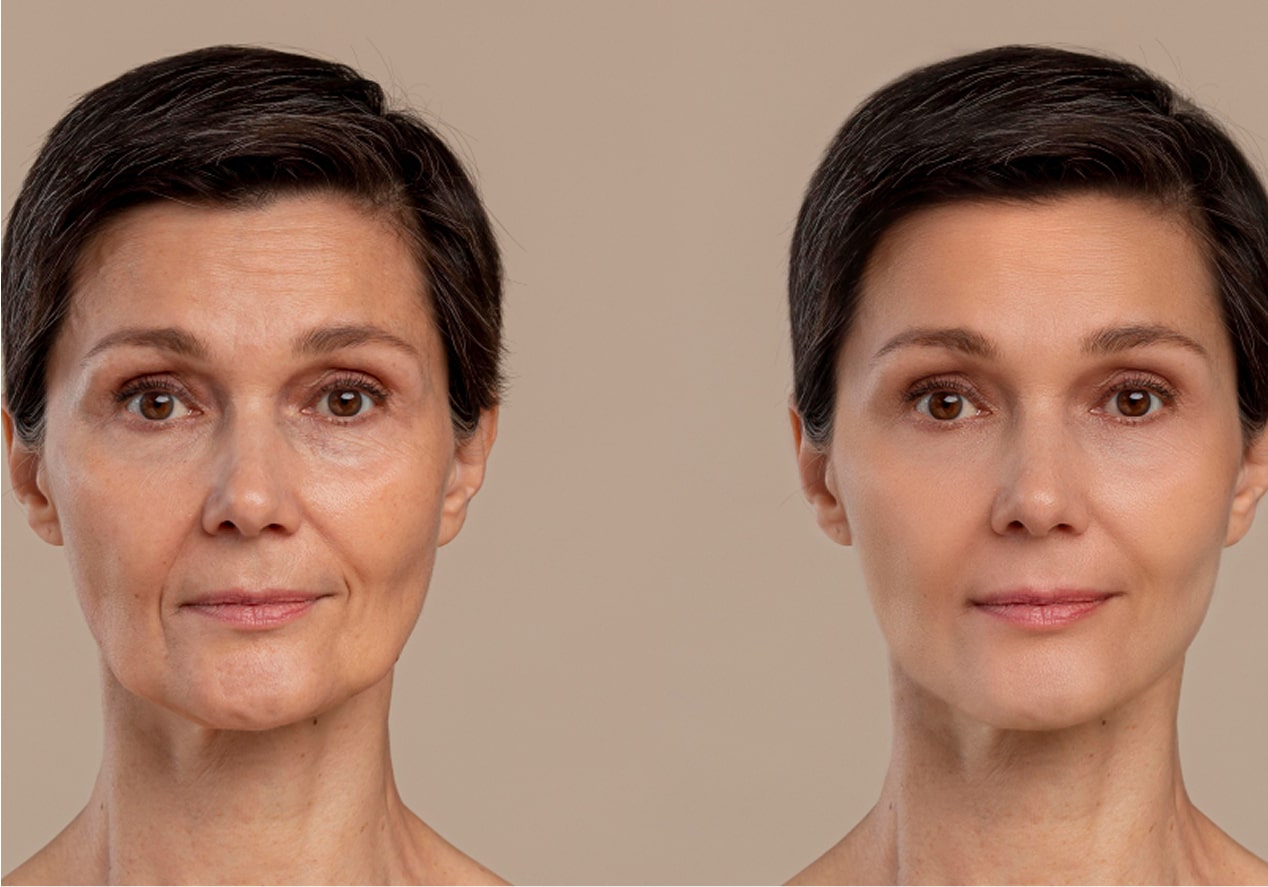
Achieve clearer, more even skin with expert acne scar treatment at Navaa.
Take the first step towards smoother skin today — Book your consultation with an expert acne scar treatment doctor in Mumbai.

Visit Best Clinic for acne scar treatment in Mumbai.
Navaa Aesthetics – Plastic Surgery Clinics
4th floor, 405, Morya Estate, New Link Rd, opp. Infinity Mall, Veera Desai Industrial Estate, Andheri West, Mumbai
Frequently Asked Questions About Acne Scar Treatment in Mumbai
Can acne scars be permanently removed?
How many sessions does acne scar treatment take?
Which is better - laser or dermabrasion for acne scars?
Is laser treatment for acne scars painful?
What is the cost of laser treatment for acne scars in Mumbai?
Does acne scar treatment work on dark skin?
Can deep pitted scars be treated?
Will acne scars come back after treatment?
Have More Questions?
Still have questions or need personalised guidance? Our experts are here to help you make informed and confident decisions—every step of the way.
⭐⭐⭐⭐⭐ Rated 4.9/5 by 500+ Patients in Mumbai
Achieve smoother and clearer skin with expert acne scar treatment.
Navaa Plastic and Cosmetic Surgery Clinic, Andheri, Mumbai
Book your consultation today