- Home
- About Us
- Treatments
-
-
- Skin
-
- Face
-
- Breast
- Reconstructive
-
- Body
- Genitalia
- Maxillofacial
-
-
- Doctors
- Blogs
- Gallery
- Contact Us
- Home
- About Us
- Treatments
-
-
- Skin
-
- Face
-
- Breast
- Reconstructive
-
- Body
- Genitalia
- Maxillofacial
-
-
- Doctors
- Blogs
- Gallery
- Contact Us
Skin Graft Surgery in Mumbai - Skin Transplant & Reconstruction at Navaa Plastic & Cosmetic Surgery

Skin graft surgery – also called skin transplant surgery or skin replacement surgery – is a reconstructive procedure that restores skin cover to areas where skin has been lost or damaged. When skin cannot heal on its own because the damage is too extensive, too deep, or involves a wound that will not close, a skin graft provides the biological material that the body needs to rebuild a healthy skin surface.
At Navaa Plastic & Cosmetic Surgery, skin graft surgery is performed by MCh-qualified plastic surgeons experienced in reconstructive procedures including burn wound grafting, trauma reconstruction, vitiligo surgical repigmentation, and facial skin graft. The right graft type, donor site, and surgical approach are planned specifically for your wound, your skin type, and the result you need.
— Why Choose Us
Why Choose Navaa Plastic and Cosmetic Surgery Clinic for Skin Graft Surgery in Mumbai?
At Navaa Plastic and Cosmetic Surgery Clinic, we combine surgical precision with compassionate care for every reconstructive procedure.
MCh Plastic Surgeons – Reconstructive Expertise
Your skin graft procedure is performed by an MCh-qualified plastic surgeon with advanced expertise in reconstructive surgery. Every treatment is carefully planned to promote wound healing, restore function, and achieve the best possible cosmetic outcome while prioritising patient safety.
All Types of Skin Grafting Available
We offer a range of skin grafting techniques, including split-thickness, full-thickness, composite, and collagen-based grafts. Your surgeon will recommend the most suitable option based on the size, location, and nature of your wound or skin condition.
Skin Grafting for Burns, Trauma, Vitiligo and More
Skin grafting is used to treat burns, traumatic injuries, non-healing wounds, vitiligo, surgical defects, and selected scar conditions. Every treatment is tailored to your individual needs, helping restore both function and appearance wherever possible.
Personalised Treatment Planning
Every skin graft procedure is planned around your specific condition, wound characteristics, and overall health. During your consultation, your surgeon will explain the recommended treatment, expected healing, recovery process, and the results you can realistically expect.
Located in Andheri, Mumbai
Our modern clinic combines advanced surgical facilities with compassionate, patient-focused care. From your initial consultation through recovery and follow-up wound care, our team provides guidance and support at every stage of your treatment.
Our Results Before and After
During your consultation, you can review real before-and-after results from patients who have undergone skin graft procedures for burns, trauma, vitiligo, and reconstructive surgery. These examples help you understand the improvements that may be possible for your condition.
— Our Doctors
Meet Our Expert Team
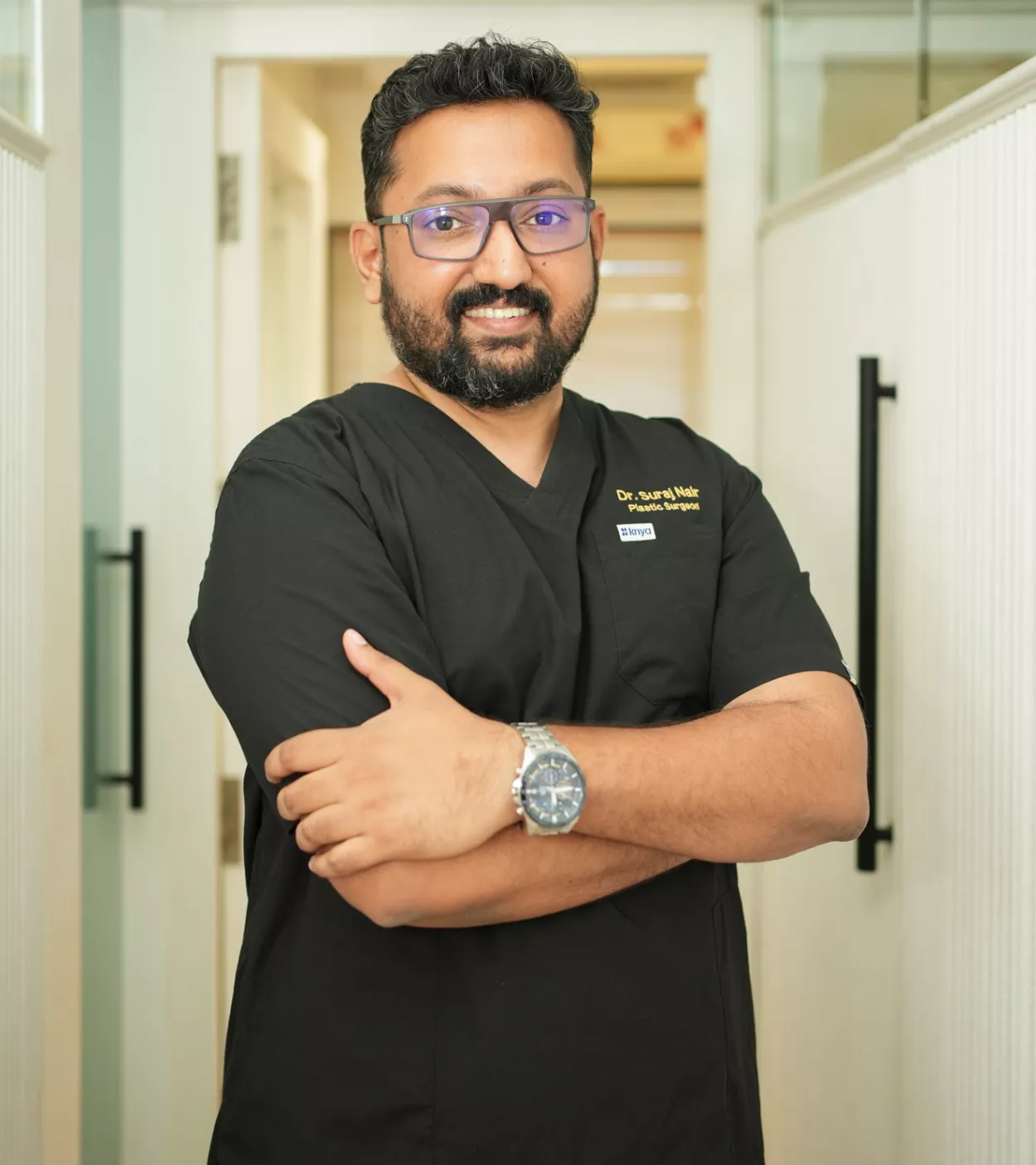
Dr. Suraj Nair
Trained at PGIMER, Chandigarh, Dr. Nair is a highly experienced breast cosmetic surgeon known for performing numerous breast augmentations, reductions, and lifts with natural outcomes.
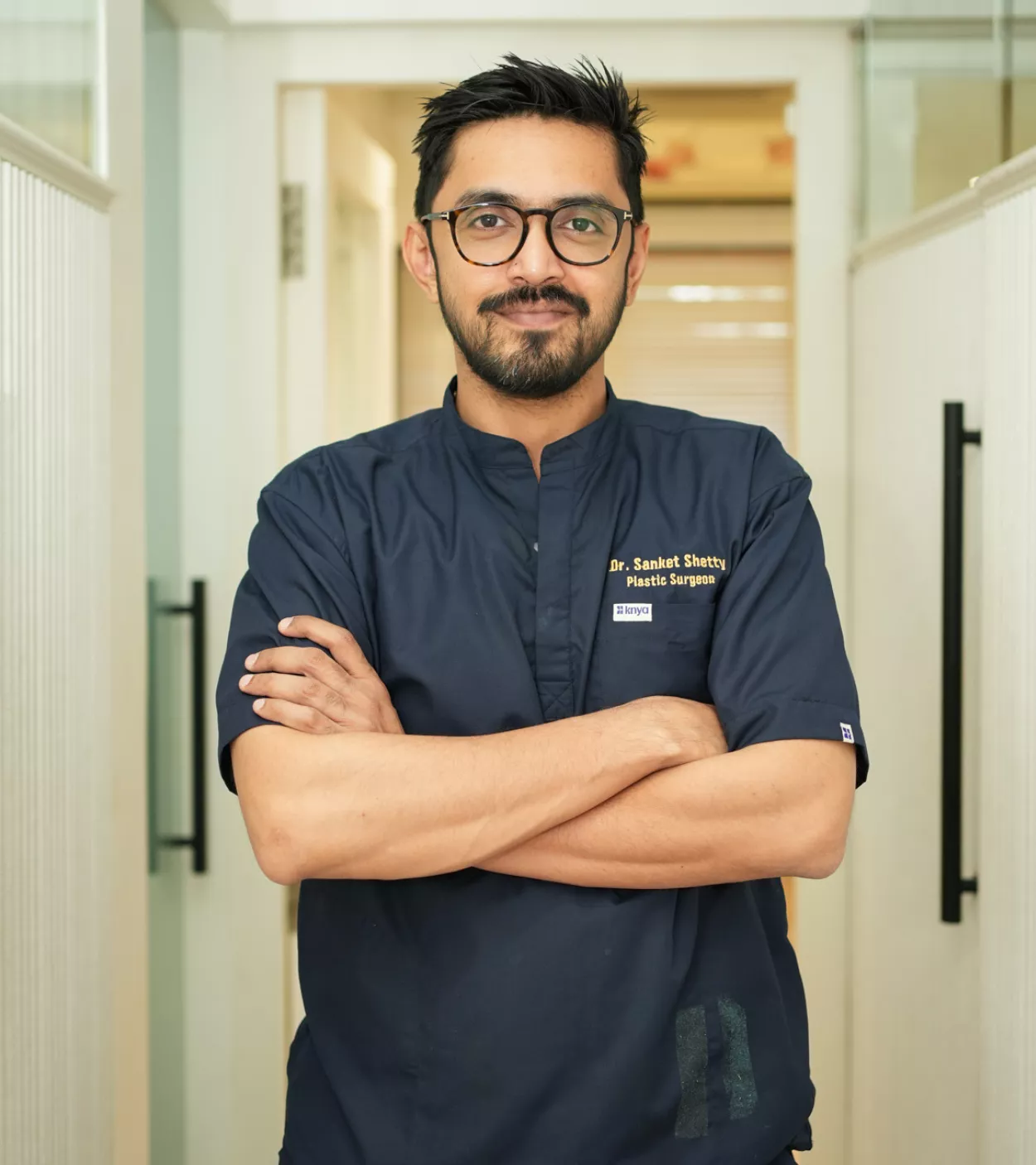
Dr. Sanket Shetty
M.Ch Plastic Surgeon with international training at Royal Stoke Hospital, UK, experienced in advanced aesthetic and reconstructive surgeries.
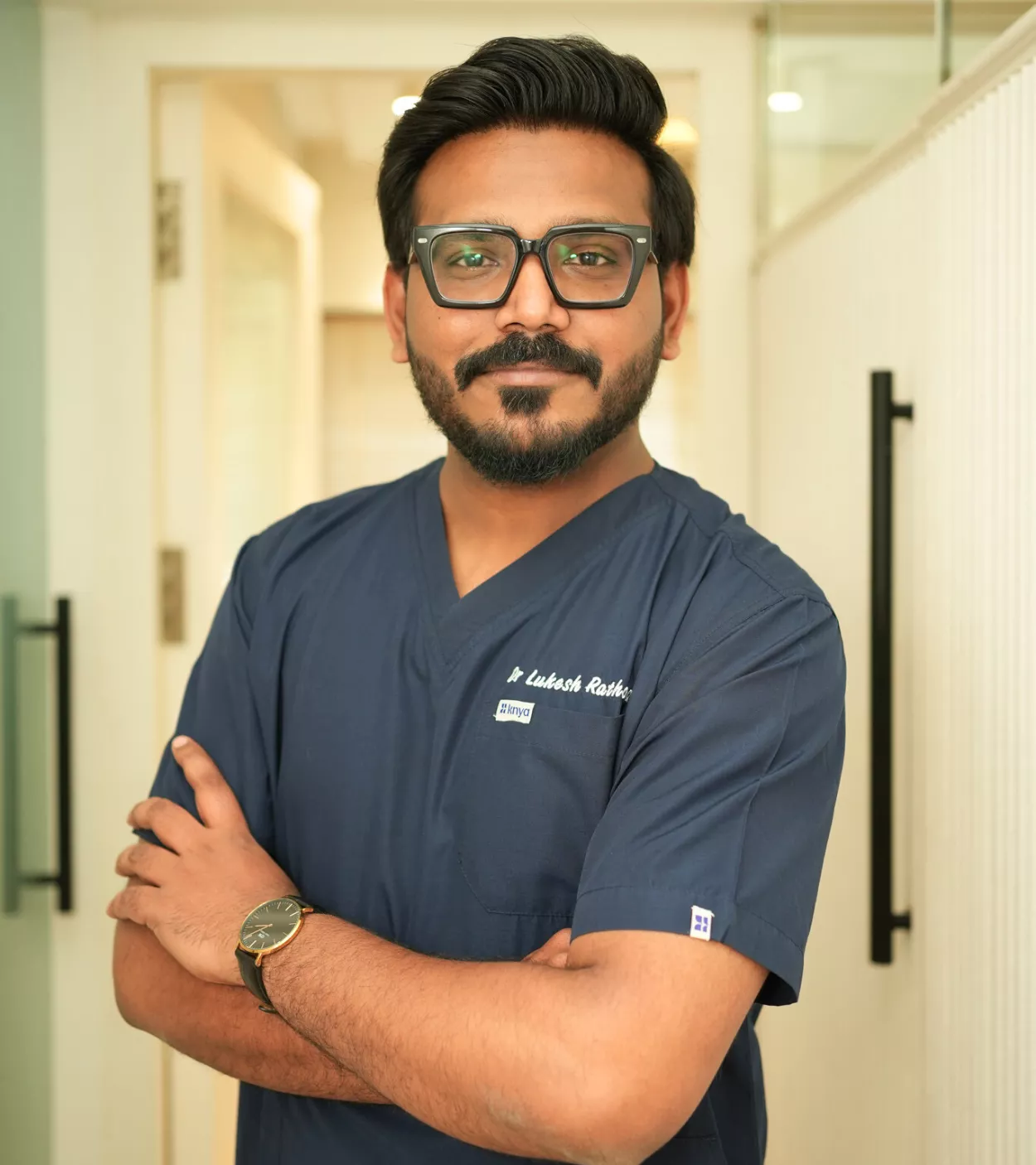
Dr. Lukesh Rathod
With over 10 years of experience, Dr. Rathod specializes in minimally invasive aesthetic procedures and advanced skin treatments
Types of Skin Graft Surgery at Navaa
Split Thickness Skin Graft (STSG)
A split-thickness skin graft uses a thin layer of skin taken from a donor area, usually the thigh or upper arm. It is commonly used for burns, large wounds, non-healing ulcers, and diabetic foot wounds. This technique provides reliable wound coverage while allowing the donor site to heal naturally.
Full Thickness Skin Graft (FTSG)
A full-thickness skin graft includes the entire thickness of the skin, making it ideal for areas where appearance and durability are important. It is commonly used for facial reconstruction, post-tumour defects, and smaller wounds requiring a close match in skin colour and texture.
Composite Skin Graft
A composite skin graft combines skin with deeper tissues such as cartilage or fat to restore both appearance and structural support. It is often used for reconstructing areas like the nose or ear, where replacing skin alone would not provide the desired shape or function.
Collagen and Artificial Skin Graft
Collagen and artificial skin grafts are used for complex wounds when natural skin is limited or temporary wound coverage is needed. These specialised grafts support healing and tissue regeneration and are commonly used for extensive burns, chronic wounds, and staged reconstructive procedures.
Restore damaged skin with advanced skin grafting surgery in Mumbai at Navaa.
Take the first step towards skin repair today — Book your consultation with a trusted skin grafting surgeon in Mumbai.
What is Skin Grafting?
Skin graft surgery, also known as skin transplant surgery, skin replacement surgery, or dermal grafting, is a reconstructive surgical procedure in which healthy skin is taken from one part of the body (the donor site) and transplanted to another area (the recipient site) where skin has been lost or damaged. The transplanted skin provides biological wound cover, reduces infection risk, promotes healing, and over time becomes integrated with the surrounding tissue.
This is one of the oldest and most widely performed reconstructive surgical techniques. It is used whenever a wound cannot heal on its own within a reasonable timeframe, when the wound is too large or deep for primary closure, or when skin loss has occurred due to burns, trauma, surgical excision, or chronic non-healing conditions.
When is Skin Grafting Needed?
Skin grafting is indicated when:
- Burns have destroyed a significant area of skin and the wound is too large or too deep to heal without surgical intervention
- Traumatic skin loss from accidents, lacerations, or crush injuries has left an area of exposed tissue that cannot be closed directly
- Diabetic foot ulcers or pressure sores have created chronic non-healing wounds that do not respond to dressing treatment alone
- Surgical excision of a skin tumour, cancer, or other lesion has created a defect that cannot be closed primarily
- Vitiligo is stable and the depigmented patches are suitable for surgical repigmentation using melanocyte transfer or split thickness grafting
- Burn contractures have caused scarring that restricts movement and requires release and resurfacing
- Cosmetic scar reconstruction using a well-matched full thickness graft to replace a visually prominent scar
Skin Graft on Face - Special Considerations
Facial skin grafting presents specific challenges that distinguish it from grafting on other body areas. The face is highly visible, skin colour and texture vary significantly across facial zones, and the functional demands of the facial skin are high. Full thickness skin grafts are almost always preferred for facial reconstruction because they produce a closer colour and texture match to the surrounding skin. The donor site is chosen carefully as skin from behind the ear tends to match facial skin most closely in texture and colour.
Areas commonly requiring facial skin grafting include the eyelids after burn injury or tumour excision, the nose, the lips, and the cheeks following significant trauma or cancer surgery. Facial skin graft results improve progressively over six to twelve months as the graft integrates and matures.
Skin Grafting for Vitiligo
Surgical repigmentation using skin grafting is an option for patients with stable vitiligo where no new patches have appeared and existing patches have not spread for at least six to twelve months. Split thickness grafting and punch grafting techniques are used to transfer pigmented skin from a normally pigmented donor area to the depigmented vitiligo patch. The transferred melanocytes gradually multiply and spread pigmentation across the treated area over weeks to months. Results are most predictable on stable, flat patches in areas of low friction. See also Vitiligo Treatment in Mumbai for non-surgical vitiligo options at Navaa.
Who is the Right Candidate for Skin Graft Surgery?
Skin grafting is a reconstructive procedure indicated when there is a clinical need for skin cover that cannot be achieved by other means. You may be a suitable candidate if:
- You have a wound that is not healing despite appropriate wound care including diabetic ulcers, pressure sores, or chronic open wounds
- You have sustained burn injuries that require skin cover for healing
- You have traumatic skin loss from an accident or injury that needs surgical reconstruction
- You have had a skin tumour or cancer excised and the resulting defect needs reconstruction
- You have stable vitiligo patches that have not spread for at least six to twelve months and want surgical repigmentation
- You have a burn contracture that restricts movement and requires surgical release and resurfacing
- You are in adequate general health to undergo the anaesthesia and surgery required
For patients requiring skin grafting after an acute injury or burn, surgery is planned as soon as the wound is ready, once the wound bed is clean, has adequate blood supply, and is free of infection.
How Skin Graft Surgery Works at Navaa - Step by Step
1
Assessment and Planning
Your consultation begins with a detailed assessment of the wound or skin condition. Your surgeon will evaluate its size, depth, location, and overall skin health before selecting the most suitable graft type and donor site. You’ll receive a personalised treatment plan, information about the procedure, expected recovery, and a clear cost estimate before surgery is scheduled.
2
Anaesthesia and Preparation
Depending on the size and complexity of the procedure, skin graft surgery is performed under local or general anaesthesia. Before the graft is placed, the wound is carefully cleaned and prepared to create the best possible environment for healing, while both the donor and treatment areas are marked.
3
The Procedure – Donor Harvest and Graft Placement
Healthy skin is carefully taken from the selected donor site and placed over the prepared wound. The graft is secured with fine sutures or dressings to help it heal in place and establish a healthy blood supply. The procedure is performed with precision to promote reliable healing and the best possible functional and cosmetic outcome.
4
Healing, Aftercare, and Follow-Up
Recovery is monitored through regular follow-up appointments to ensure the graft heals well. Dressings are changed as advised, and your surgeon will guide you on wound care, scar management, and activity restrictions. Over the following months, the graft continues to settle, while its colour, texture, and overall appearance gradually improve.
Skin Grafting Cost in Mumbai
The cost of skin graft surgery at Navaa depends on the type of graft, the size of the wound, the complexity of the reconstruction, and the anaesthesia required. A detailed, transparent cost estimate is provided at consultation after the surgeon has assessed your wound and confirmed the treatment plan.
Factors That Affect the Cost
- Graft type: split thickness, full thickness, composite, and collagen-based grafts each have different operative complexity and cost profiles
- Wound size: larger wounds require more extensive grafting and longer operative time
- Reconstruction complexity: facial grafting, vitiligo repigmentation, and burn contracture release each involve additional planning and technique
- Anaesthesia: local anaesthesia with sedation for smaller cases costs less than general anaesthesia for extensive reconstructions
- Hospital stay: larger graft procedures may require an overnight stay or longer for wound monitoring
- Post-operative wound care: dressings, compression garments, and follow-up appointments are planned from the start
EMI & Payment Options at Navaa
Navaa offers flexible EMI options through leading financial partners. For medically necessary skin grafting such as burn wound reconstruction, diabetic foot wounds, or trauma repair, please discuss insurance coverage with our team at consultation, as these procedures may be eligible for health insurance claims depending on your policy.
Recovery and Results
- Initial bolster dressing kept undisturbed for five to seven days after surgery, essential for graft take
- Donor site heals in approximately seven to fourteen days for split thickness grafts; full thickness donor sites are closed with sutures
- Graft take is assessed at the first dressing change at five to seven days
- Most patients return to normal daily activities within two to four weeks depending on wound location and size
- Skin graft scar appearance improves progressively over six to twelve months
- Compression therapy, silicone scar sheets, and SPF 50+ sun protection are important parts of long-term graft care
- Colour and texture of the grafted skin improve over twelve months as the graft matures
- Vitiligo grafting results develop progressively over three to six months as pigmentation spreads from transferred melanocytes
Our Approach to Natural Results
Skin graft surgery at Navaa is planned around function first and appearance second, because restoring a healthy, healed skin surface is the primary goal, and appearance improves naturally as the graft matures over the following months. We choose the graft type and donor site that gives the best balance of reliable wound coverage and cosmetic outcome for your specific wound. For facial grafting, we are particularly careful about donor site selection for colour and texture match. We also plan scar management from the day of surgery. For a full view of skin treatments at Navaa, explore our Skin Treatments at Navaa.

Improve healing and skin coverage with expert skin grafting treatment.
Take the first step towards advanced healing today — Book your consultation with an expert skin graft specialist in Mumbai.

Visit Best Clinic for skin grafting in Mumbai.
Navaa Aesthetics – Plastic Surgery Clinics
4th floor, 405, Morya Estate, New Link Rd, opp. Infinity Mall, Veera Desai Industrial Estate, Andheri West, Mumbai
Frequently Asked Questions About Skin Graft Surgery in Mumbai
How long does a skin graft take to heal?
What does a skin graft scar look like?
Does the body reject skin grafts?
Can skin grafting be done on the face?
Is skin graft surgery covered by insurance?
What are the risks of skin graft surgery?
How is a donor site chosen?
What is the difference between a skin graft and a skin flap?
Have More Questions?
Still have questions or need personalised guidance? Our experts are here to help you make informed and confident decisions—every step of the way.
⭐⭐⭐⭐⭐ Rated 4.9/5 by 500+ Patients in Mumbai
Restore your skin with advanced reconstructive care.
Navaa Plastic and Cosmetic Surgery Clinic, Andheri, Mumbai
Book your consultation today