
- Home
- About Us
- Treatments
-
-
- Skin
-
- Face
-
- Breast
- Reconstructive
-
- Body
- Genitalia
- Maxillofacial
-
-
- Doctors
- Blogs
- Gallery
- Contact Us
- Home
- About Us
- Treatments
-
-
- Skin
-
- Face
-
- Breast
- Reconstructive
-
- Body
- Genitalia
- Maxillofacial
-
-
- Doctors
- Blogs
- Gallery
- Contact Us
Diabetic Foot Ulcer Treatment in Mumbai - Surgical Wound Care at Navaa Plastic & Cosmetic Surgery
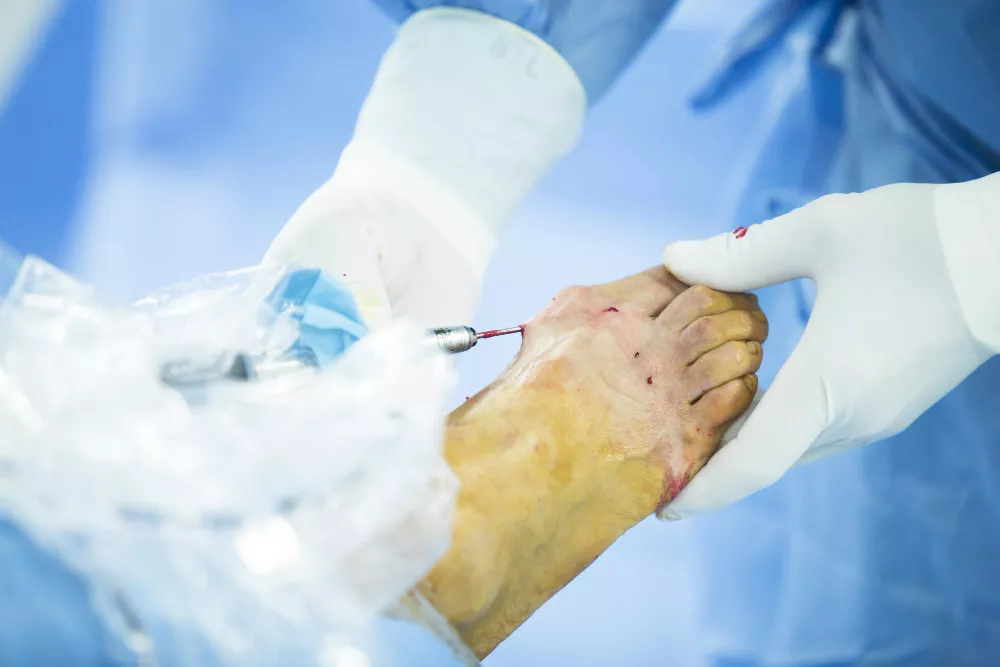
A diabetic foot ulcer often begins as something small – a blister, a cut, a callus – that goes unnoticed because diabetes-related nerve damage means the pain that would normally prompt attention simply is not felt. Left untreated, what starts as a minor wound can progress to infection, deep tissue loss, and in severe cases, threaten the limb itself. The single most important message for any diabetic patient with a foot wound is this: early evaluation genuinely changes outcomes.
At Navaa Plastic & Cosmetic Surgery, diabetic foot ulcer treatment is provided by MCh-qualified plastic and reconstructive surgeons, using the full range of options from wound debridement through to advanced reconstructive surgery with skin grafts or tissue flaps. Our focus throughout is limb preservation – restoring a healed, functional foot wherever this is achievable, and coordinating closely with your physician on the blood sugar and vascular factors that must be managed alongside any surgical care.
— Why Choose Us
Why Choose Navaa Plastic and Cosmetic Surgery Clinic for Diabetic Foot Ulcer Treatment in Mumbai?
At Navaa Plastic and Cosmetic Surgery Clinic, we combine surgical precision with genuine compassion for every patient we care for.
MCh Plastic Surgeons – Limb-Salvage Expertise
MCh-qualified plastic surgeons provide advanced reconstructive care for complex diabetic foot wounds, focusing on tissue preservation and limb salvage where possible.
Comprehensive Wound & Reconstruction Care
Treatment ranges from wound care and minor procedures to advanced flap reconstruction, tailored to the severity and needs of each wound.
Coordinated Vascular & Diabetes Care
Diabetic foot ulcers often require coordinated care. Our approach brings together relevant specialists to support wound healing and overall recovery.
Personalised Treatment Planning
Each diabetic foot ulcer is assessed individually, considering infection, tissue condition, circulation, and overall health to develop an appropriate treatment plan.
Located in Andheri, Mumbai
Modern, fully equipped facilities in Andheri with specialist wound care and follow-up support for diabetic foot patients.
Our Results Before and After
Before-and-after results from diabetic foot wound treatment and reconstructive procedures are available for review during consultation.
— Our Doctors
Meet Our Expert Team

Dr. Suraj Nair
Trained at PGIMER, Chandigarh, Dr. Nair is a highly experienced breast cosmetic surgeon known for performing numerous breast augmentations, reductions, and lifts with natural outcomes.

Dr. Sanket Shetty
M.Ch Plastic Surgeon with international training at Royal Stoke Hospital, UK, experienced in advanced aesthetic and reconstructive surgeries.

Dr. Lukesh Rathod
With over 10 years of experience, Dr. Rathod specializes in minimally invasive aesthetic procedures and advanced skin treatments
Diabetic Foot Treatment Options We Offer
Advanced Wound Care
Cleaning and dressing of ulcers, promotes healing and prevents infection
Debridement
Removal of dead or infected tissue, Supports healthy tissue regeneration
Infection Management
Antibiotics and medical care, Prevents further complications
Reconstructive Surgery
Skin grafts or flap surgery, Restores damaged areas
Promote healing and prevent complications with expert diabetic foot surgery in Mumbai.
Take the first step towards safe healing today — Book your consultation with a trusted diabetic foot specialist in Mumbai.
What Causes Diabetic Foot Ulcers?
Diabetic foot ulcers develop through a combination of factors specific to how diabetes affects the body over time, and understanding these factors explains why they are often discovered later than a similar wound would be in a non-diabetic person.
The Three Contributing Factors - Blood Sugar, Circulation, Nerve Damage
Uncontrolled blood sugar impairs the body’s normal wound healing processes and increases the risk of infection once a wound has formed.
Poor blood circulation to the lower limbs (diabetic vasculopathy) reduces the oxygen and nutrient supply that tissue needs to heal, meaning even minor wounds close more slowly than they should.
Loss of sensation in the feet (diabetic peripheral neuropathy) is often the most critical factor of all – it means injuries, blisters, or pressure points frequently go completely unnoticed, because the pain that would normally alert a person to a problem simply is not felt. In many patients, several of these factors are present together, creating a situation where small, painless injuries fail to heal and gradually worsen into deeper ulcers.
Charcot Foot - When Bones Are Affected
In some patients, nerve damage and reduced sensation lead to a specific and serious complication called Charcot foot, in which small fractures in the bones of the foot go unnoticed and unprotected because the patient continues walking on an already-damaged foot without pain. Over time, this can cause the foot to become swollen, warm, and visibly deformed, significantly increasing the risk of new pressure points and ulceration. Charcot foot requires specific stabilisation as part of a comprehensive treatment plan.
Signs and Symptoms to Watch For
Because pain is frequently absent, diabetic patients and caregivers need to know the visual and other warning signs to look for, rather than relying on discomfort as an early warning system:
– A wound, blister, or sore that is slow to heal or has not healed within a week or two
– Discharge from the wound, particularly if it has a foul smell
– Swelling, warmth, or discolouration around the wound
– Firmness or pain when the wound area is touched, even if the wound itself feels painless
– Formation of thickened, blackish tissue around or within the wound
– Discolouration of a toe or part of the foot
– Fever or chills, which can indicate the infection has become more serious
The "Rule of 50" - Why Early Treatment Matters
A widely referenced statistic in diabetic foot care, sometimes called the Rule of 50, illustrates why early intervention matters so much: approximately 50% of diabetic foot ulcers become infected, roughly 50% of those infected ulcers require hospitalisation, and roughly 50% of hospitalised cases may ultimately require some form of amputation if treatment is delayed. While these are general figures rather than a precise prediction for any individual patient, they underline a genuinely important clinical reality – early evaluation and treatment of a diabetic foot wound significantly improves the chances of avoiding these more serious outcomes.
Diabetic Foot Ulcer Treatment Options at Navaa
Diabetic foot ulcer treatment ranges from conservative wound management to major reconstructive surgery. At Navaa, the appropriate treatment is determined by a thorough assessment of the wound, its cause, and the patient’s overall vascular and metabolic status.
Wound Assessment - Doppler and Imaging
Accurate assessment is the foundation of effective treatment. This includes evaluating blood circulation to the foot, often using a Doppler scan to assess arterial blood flow, checking nerve sensation to confirm the degree of neuropathy present, and, for deeper wounds, imaging such as an MRI or X-ray to check whether the underlying bone is involved or infected.
Debridement
Debridement is the surgical removal of dead, infected, or non-viable tissue from the wound – a necessary first step for most ulcers beyond the earliest stage, since healthy tissue cannot properly regenerate while dead or infected tissue remains. For active infection, debridement is often repeated every few days to progressively clean the wound and monitor the response to treatment before any closure is planned.
Vascular Surgery - Restoring Blood Flow
When poor circulation is a significant contributing factor – identified through Doppler assessment – restoring adequate blood flow becomes an essential part of treatment, because a wound with an inadequate blood supply will not heal regardless of how well it is otherwise managed. This may involve angioplasty, in which a blocked or narrowed artery is widened using a balloon or stent, or bypass surgery to reroute blood flow around a severely blocked vessel. At Navaa, vascular assessment and, where needed, coordination with a vascular specialist is a standard part of diabetic foot ulcer management.
Reconstructive Surgery - Skin Grafts and Flaps
For deeper ulcers, particularly those with exposed tendon or bone, or wounds that have not responded to conservative care, reconstructive surgery becomes necessary. Skin grafting can be used to close appropriate wounds by transferring skin from a healthy donor site. For deeper defects or wounds with exposed bone, flap surgery – moving a unit of healthy, well-vascularised tissue to cover the defect – provides more durable coverage with its own blood supply. See Skin Grafting in Mumbai for the full overview of skin grafting techniques at Navaa, and Bed Sores Treatment in Mumbai for more on flap reconstruction principles that apply equally to complex diabetic wounds.
Amputation - A Last Resort
Amputation – of a toe, part of the foot, or in the most severe cases, the lower leg – is considered only when infection has spread beyond what can be controlled, when tissue death (gangrene) has occurred, or when the patient’s overall health and life are genuinely at risk. It is never the first or preferred option, and every effort is made through debridement, vascular intervention, and reconstructive surgery to preserve the limb before amputation is considered. When it does become necessary, the goal is to remove the minimum amount of tissue required to control the problem and prevent it from spreading further.
Who Needs Surgical Treatment for a Diabetic Foot Ulcer?
When Conservative Care is Enough
Early-stage, superficial ulcers without significant infection can often be managed successfully with regular dressing changes, offloading pressure from the affected area, blood sugar control, and close monitoring – without requiring surgical intervention, provided treatment begins promptly.
When Surgery Becomes Necessary
Surgery is generally required when there is significant dead or infected tissue that must be removed (debridement), when the wound is deep with exposed tendon or bone, when circulation is significantly compromised and requires vascular intervention to support healing, or when a wound has failed to respond to weeks of appropriate conservative care. Bone deformities from Charcot foot may also require corrective surgical procedures to reduce pressure on vulnerable areas and prevent recurrent ulceration.
Preventing Diabetic Foot Ulcers
Prevention is genuinely the most effective treatment. Key measures include daily inspection of both feet for any cuts, cracks, blisters, or colour changes, particularly given that pain may not be felt; maintaining good blood sugar control; wearing properly fitting, protective footwear at all times, including indoors; avoiding tobacco and limiting alcohol, both of which impair circulation and healing; and attending regular diabetic foot checks even when no problem is apparent, since early detection of a minor issue is dramatically easier to treat than an established ulcer.
How Diabetic Foot Ulcer Treatment Works at Navaa - Step by Step
1
Comprehensive Assessment
Your treatment begins with a thorough evaluation of the wound, its size, depth, location, and surrounding tissue. Circulation, infection, blood sugar control, and medical history are also assessed.
Infection and Blood Sugar Control
Where infection is present, targeted antibiotic treatment is started. Blood sugar optimisation, in coordination with your physician, begins immediately, as healing is significantly impaired when glucose levels remain poorly controlled.
Dead, infected, or non-viable tissue is carefully removed to create a healthier wound bed and support healing. Further debridement may be performed as needed.
Vascular or Reconstructive Surgery
When circulation problems affect healing, vascular treatment may be recommended. Complex wounds may also require skin grafts or flap reconstruction to restore healthy tissue coverage.
Recovery, Offloading, and Follow-Up
Protecting the healing wound from pressure is essential. Offloading methods may include specialised footwear or weight-bearing restrictions, with regular follow-up to monitor healing.
Long-Term Wound Care & Prevention
Ongoing wound care, blood sugar control, proper footwear, and regular monitoring can help support healing and reduce the risk of future diabetic foot complications.
Diabetic Foot Ulcer Treatment Cost in Mumbai
The cost of diabetic foot ulcer treatment at Navaa depends on the severity and depth of the wound, whether vascular intervention is needed, and whether reconstructive surgery such as skin grafting or flap surgery is required. A detailed, transparent cost estimate is provided at consultation after a full assessment of the wound.
Factors That Affect the Cost
– Severity of the ulcer: superficial wounds managed conservatively cost significantly less than deep wounds requiring surgical reconstruction
– Number of debridement sessions: more extensive or infected wounds may require several debridement procedures over time
– Vascular intervention: angioplasty or bypass surgery, where needed to restore circulation, adds to the overall treatment cost
– Reconstructive technique: skin grafting and flap surgery have different levels of complexity and cost
– Length of care: diabetic foot ulcer treatment often spans weeks to months of follow-up, which is factored into the overall treatment plan
Insurance and Payment Options at Navaa
Diabetic foot ulcer treatment is generally considered medically necessary and coverage under health insurance in India varies depending on the specific procedure and your individual policy – vascular surgery to restore circulation is typically well covered, while some reconstructive procedures may be only partially covered. Navaa provides the necessary medical documentation to support your insurance claim, and flexible EMI options are available through our financial partners.
Recovery and Results
– Early-stage ulcers managed conservatively may heal within three to six weeks with consistent wound care and offloading
– Debridement and wound bed preparation for more significant wounds is typically an ongoing process over several weeks
– Vascular surgery, where performed, generally shows benefit for wound healing within four to eight weeks
– Skin grafting and reconstructive flap surgery for complex wounds typically require four to eight weeks for full healing, depending on wound complexity and how well diabetes is controlled
– Offloading pressure from the healing area throughout the recovery period is essential for successful healing
– Long-term success depends heavily on ongoing blood sugar control, regular foot checks, and appropriate protective footwear
– Even after successful healing, diabetic feet remain at elevated risk for future ulceration – lifelong preventive care is essential
Our Approach to Limb Preservation and Long-Term Care
At Navaa, we approach every diabetic foot ulcer with the primary goal of preserving the limb and restoring the patient’s ability to walk with confidence. This means starting with the least invasive appropriate treatment, coordinating closely with physicians and vascular specialists rather than treating the wound in isolation, and reserving surgery – and amputation in particular – for situations where it is genuinely necessary rather than the default response. We are equally committed to the long term: healing a wound is only part of the picture, and helping patients and families understand daily foot care and prevention is central to protecting mobility and quality of life well beyond the treatment itself. For a full view of reconstructive treatments at Navaa, explore our Reconstructive Treatments at Navaa.



Treat diabetic foot ulcers effectively with advanced wound care at Navaa.
Take the first step towards preventing complications today — Book your consultation with an expert diabetic foot surgeon in Mumbai.

Visit Best Clinic for diabetic foot treatment in Mumbai.
Navaa Aesthetics – Plastic Surgery Clinics
4th floor, 405, Morya Estate, New Link Rd, opp. Infinity Mall, Veera Desai Industrial Estate, Andheri West, Mumbai
Frequently Asked Questions About Diabetic Foot Ulcer Treatment in Mumbai
How long does a diabetic foot ulcer take to heal?
Can a diabetic foot ulcer be treated without amputation?
What is the "Rule of 50" for diabetic foot ulcers?
Is diabetic foot ulcer treatment covered by insurance?
How do I know if my foot ulcer is infected?
What is Charcot foot?
Can diabetic foot ulcers come back after treatment?
What is the best way to prevent diabetic foot ulcers?
Have More Questions?
Still have questions or need personalised guidance? Our experts are here to help you make informed and confident decisions—every step of the way.
⭐⭐⭐⭐⭐ Rated 4.9/5 by 500+ Patients in Mumbai
Get expert care for diabetic foot conditions and promote better healing.
Navaa Plastic and Cosmetic Surgery Clinic, Andheri, Mumbai
Book your consultation today