- Home
- About Us
- Treatments
-
-
- Skin
-
- Face
-
- Breast
- Reconstructive
-
- Body
- Genitalia
- Maxillofacial
-
-
- Doctors
- Blogs
- Gallery
- Contact Us
- Home
- About Us
- Treatments
-
-
- Skin
-
- Face
-
- Breast
- Reconstructive
-
- Body
- Genitalia
- Maxillofacial
-
-
- Doctors
- Blogs
- Gallery
- Contact Us
Cleft Lip and Palate Repair Surgery in Mumbai - Staged Reconstructive Care at Navaa Plastic & Cosmetic Surgery

Learning that your baby has a cleft lip, a cleft palate, or both, can feel overwhelming in the first days and weeks after birth. It is important for parents to know this clearly: cleft lip and palate are among the most common birth conditions, they are well understood by paediatric and reconstructive surgery, and with a carefully planned series of surgeries over childhood, children born with a cleft go on to eat, speak, smile, and grow with excellent function and appearance.
At Navaa Plastic & Cosmetic Surgery, cleft lip and palate repair is approached as what it truly is – a long-term reconstructive journey involving a coordinated team, not a single procedure by a single doctor. MCh-qualified plastic surgeons plan and perform each stage of surgical repair, working alongside the wider specialists your child may need, from the first lip surgery in infancy through palate repair, later bone grafting, and any refinement needed as your child grows.
— Why Choose Us
Why Choose Navaa Plastic and Cosmetic Surgery Clinic for Cleft Lip and Palate Repair in Mumbai?
At Navaa Plastic and Cosmetic Surgery Clinic, we combine surgical precision with genuine compassion for every family we care for.
MCh Reconstructive Plastic Surgeons
Cleft lip and palate repair requires specialised reconstructive expertise. At Navaa, MCh-qualified plastic surgeons provide personalised surgical care with a focus on facial function and natural outcomes.
Staged Cleft Repair Planning
Cleft repair involves a carefully planned series of procedures. Each stage is coordinated with the child’s growth to support facial development, speech, dental health, and long-term outcomes.
Coordinated, Compassionate Care
We understand the emotional challenges cleft care can bring to families. Our team explains each stage clearly and coordinates surgical, speech, dental, and other specialist care.
Personalised Treatment Planning
Every cleft is different. Treatment is planned around your child’s specific condition, development, and needs, with input from relevant specialists when required.
Located in Andheri, Mumbai
Modern, fully equipped surgical facilities in Andheri with paediatric anaesthesia support and coordinated care throughout the treatment journey.
Our Results Before and After
Before-and-after results from cleft lip and palate procedures are available for review during consultation, helping families understand potential treatment outcomes.
— Our Doctors
Meet Our Expert Team
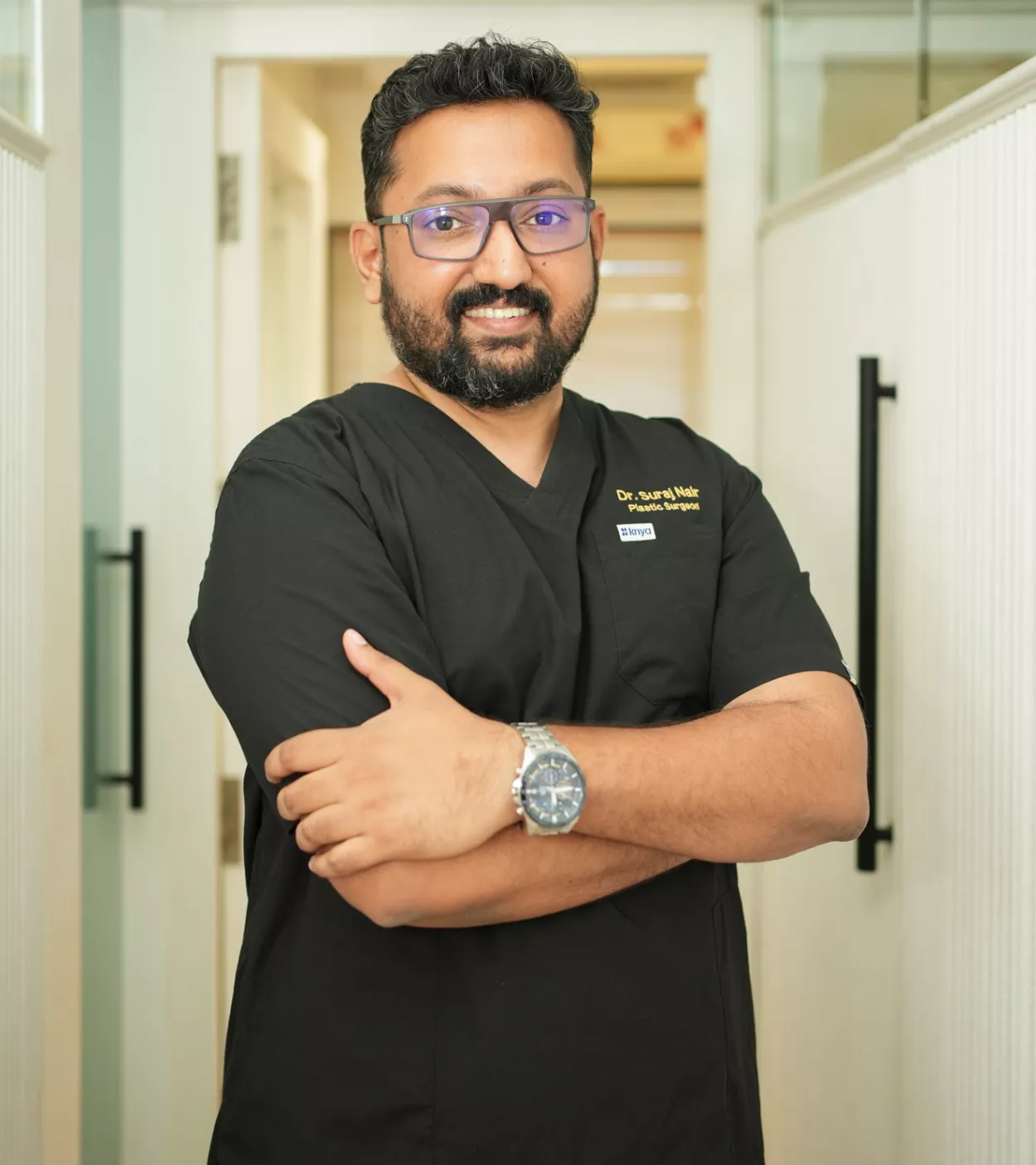
Dr. Suraj Nair
Trained at PGIMER, Chandigarh, Dr. Nair is a highly experienced breast cosmetic surgeon known for performing numerous breast augmentations, reductions, and lifts with natural outcomes.
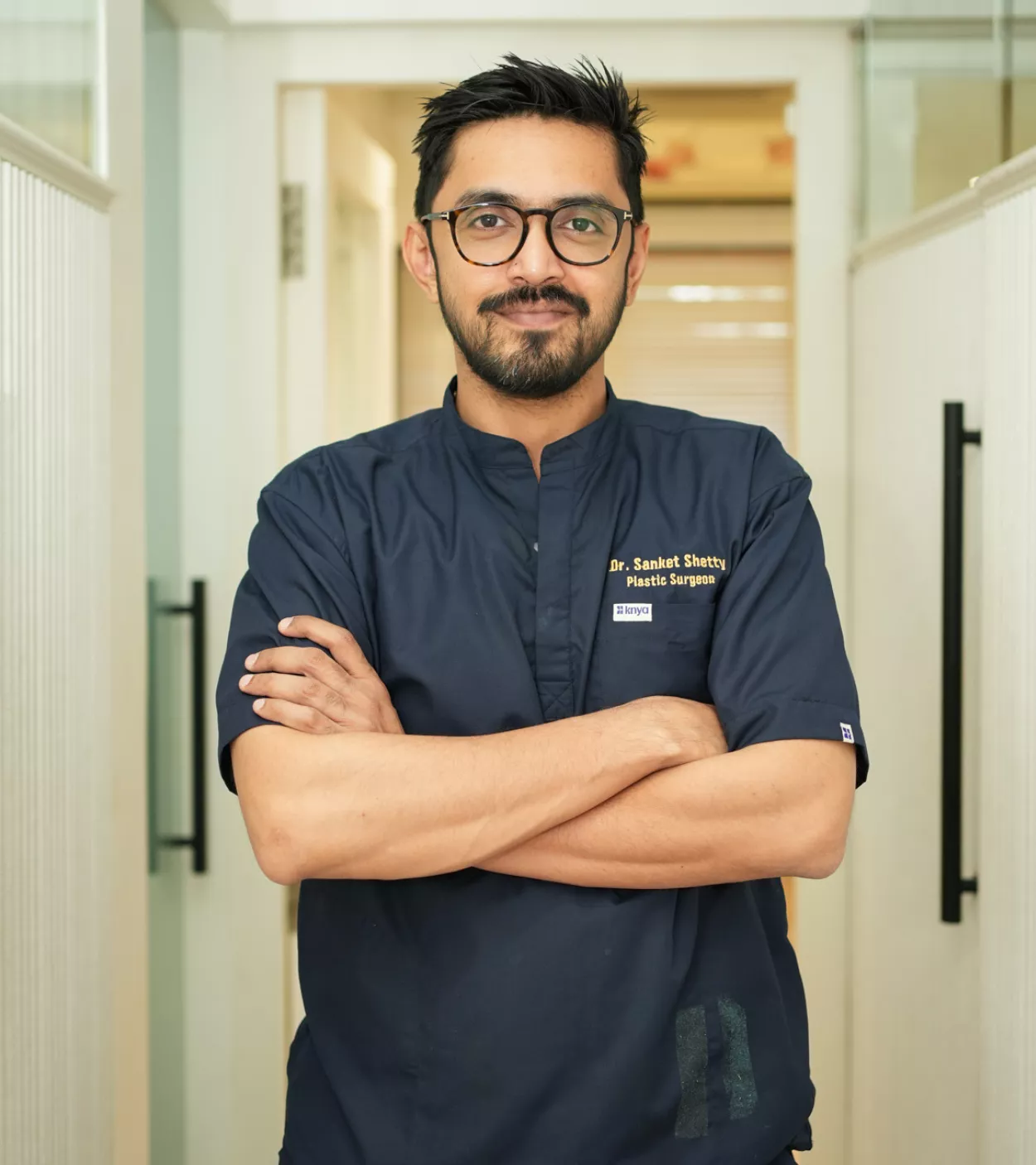
Dr. Sanket Shetty
M.Ch Plastic Surgeon with international training at Royal Stoke Hospital, UK, experienced in advanced aesthetic and reconstructive surgeries.
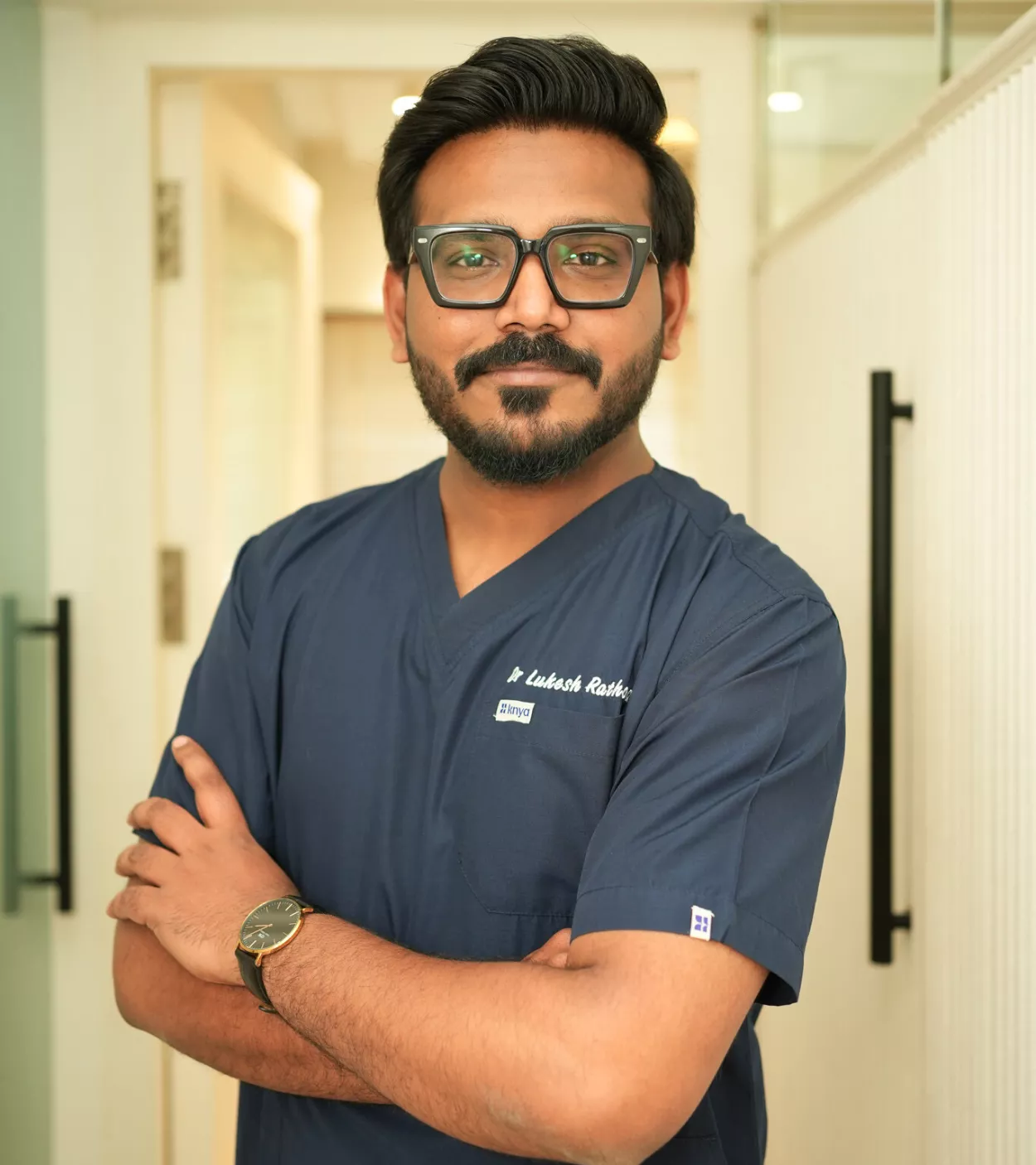
Dr. Lukesh Rathod
With over 10 years of experience, Dr. Rathod specializes in minimally invasive aesthetic procedures and advanced skin treatments
Cleft Lip & Palate Repair Procedures
Cleft Lip Repair
Closes the gap in the upper lip, Improves facial symmetry and appearance
Cleft Palate Repair
Closes the opening in the roof of the mouth, Improves feeding and speech development
Revisional and Secondary Procedures
Enhances results as the child grows, Addresses functional or aesthetic concerns
Restore facial function and appearance with expert cleft lip and palate repair in Mumbai.
Take the first step towards restored facial function today — Book your consultation with a trusted cleft lip and palate surgeon in Mumbai.
Your Child's Cleft Care Team
Cleft lip and palate care works best as a coordinated, multi-specialty effort – not something any single doctor manages alone. At Navaa, our plastic surgeons work at the centre of this process and coordinate with, or refer you to, the wider specialists your child may need at different stages:
– Plastic and reconstructive surgeon – plans and performs each surgical stage
– Paediatric anaesthesiologist – manages safe anaesthesia at every surgical stage
– Speech-language pathologist – assesses and supports speech and feeding development, particularly important after palate repair
– Paediatric dentist and orthodontist – manage routine dental care and later tooth alignment as permanent teeth come in
– ENT physician and audiologist – monitor for the chronic ear infections and hearing issues that can accompany cleft palate
– Prosthodontist – where required, for specialised dental appliances
– Genetic counsellor – available for families who want guidance on recurrence risk in future pregnancies
– Family and psychological support – because a cleft diagnosis affects the whole family, not just the child
Not every child needs every specialist on this list, and not all at once – your surgical team at Navaa will guide you on which specialists are relevant to your child’s specific situation and when.
What is Cleft Lip and Cleft Palate?
Cleft lip and cleft palate are among the most common birth conditions, occurring when parts of a baby’s face and mouth do not fully join together during early pregnancy – typically in the first trimester. A cleft lip is a split or opening in the upper lip, which can range from a small notch to a wider gap extending up into the nose. A cleft palate is an opening in the roof of the mouth, which may involve the soft palate at the back, the hard palate further forward, or both. Because the lip and palate develop separately in the womb, a baby may be born with a cleft lip alone, a cleft palate alone, or both together – which is the most commonly seen presentation.
Cleft Lip vs Cleft Palate vs Both
Cleft lip alone affects the upper lip only, and may be a minor notch or extend more significantly. It is typically very visible at birth.
Cleft palate alone affects the roof of the mouth without visibly affecting the outer lip. Because it may not be immediately obvious to the eye, it is sometimes identified only when feeding difficulties or other signs appear, particularly in milder or submucous cases.
Cleft lip and palate together is the most frequently occurring form, where both structures are affected on one or both sides.
Every combination requires its own specific surgical plan and timeline, which is why an individualised assessment at birth or as soon as possible afterward is so important.
Unilateral vs Bilateral Cleft
Unilateral cleft affects only one side of the lip or palate – the left or the right – and is the more common presentation.
Bilateral cleft affects both sides symmetrically, and generally involves a more complex repair, particularly for the lip, where specific surgical techniques are used to reconstruct the central portion of the lip and nose in a balanced, symmetrical way.
Clefts are also described by severity – the width and extent of the structures involved – all of which is assessed carefully before any surgical planning begins.
Signs and Symptoms of Cleft Lip and Palate
A cleft lip is almost always visible immediately at birth. A cleft palate, particularly a milder or submucous form, may present with:
– Difficulty feeding, as the baby is unable to form a complete seal for effective sucking
– Milk or liquid coming back out through the nose during feeding
– A nasal-sounding quality to crying or, later, to speech
– Frequent or recurrent ear infections, related to how the palate affects the Eustachian tube
Any of these signs, particularly in combination, warrant a prompt paediatric and surgical assessment.
The Cleft Repair Journey - Staged Surgery Timeline
Cleft repair unfolds across childhood and, in some cases, into early adulthood, with each stage timed to support your child’s growth, feeding, speech development, and facial development at the right moment. At Navaa, this full journey is explained clearly to parents from the very first consultation, so there are no surprises about what lies ahead.
Cleft Lip Repair (Cheiloplasty) - 3 to 5 Months
The first surgery is typically performed when the baby is around three to five months old, once they are healthy enough to safely undergo general anaesthesia and have reached an appropriate weight. This procedure, called cheiloplasty, carefully reconstructs the muscle and skin of the lip to close the cleft and restore natural lip shape and function. Repairing the lip early also helps the surrounding facial structures – including the nose and the developing palate and gum ridge (alveolus) – to grow and remodel in a more favourable direction ahead of later surgeries.
Cleft Palate Repair (Palatoplasty) - Around 1 Year
Palate repair, called palatoplasty, is typically performed around one year of age. This surgery closes the opening in the roof of the mouth by carefully repositioning the palate muscles and tissue, which is essential for the development of normal speech and for separating the mouth from the nasal cavity during eating and drinking. Delaying palate repair significantly beyond this window can increase the risk of speech difficulties later in childhood, which is why timing this stage appropriately is genuinely important.
Secondary Alveolar Bone Grafting - 7 to 8 Years
Many children with a cleft that involves the gum ridge (alveolus) require a bone graft procedure, typically performed between seven and eight years of age, once permanent teeth in that area are beginning to develop and the child has usually already begun speech therapy if needed. This procedure grafts bone into the remaining gap in the upper gum ridge, providing the bony support needed for permanent teeth to erupt properly and for the upper jaw to develop with good stability.
Cleft Rhinoplasty - Adolescence
For many patients, the nose is affected by the original cleft in ways that become more apparent as the face matures – asymmetry of the nostrils, a deviated nasal tip, or other structural irregularities. Cleft rhinoplasty is generally performed later, often in the teenage years once facial growth is substantially complete, to refine the shape and symmetry of the nose. This is a distinct, specialised form of rhinoplasty tailored to the specific anatomical changes seen after cleft repair. See Rhinoplasty Surgery in Mumbai for more on nasal reshaping surgery at Navaa.
Ongoing Speech, Dental and Orthodontic Coordination
Successful cleft care extends well beyond the surgeries themselves. Speech therapy is frequently an important part of a child’s care, particularly following palate repair, to support the development of clear speech. Orthodontic treatment to align teeth and correct bite is commonly needed as permanent teeth come in, often working in coordination with the timing of bone grafting. As outlined in the care team above, this ongoing coordination is a core part of how we support your child at Navaa, not an afterthought to the surgery itself.
Who Needs Cleft Lip and Palate Repair?
When to Seek Consultation
If your baby has been born with a visible cleft lip, an initial surgical consultation should ideally take place within the first weeks of life, even though the first surgery itself will not happen until several months later – this early consultation allows feeding support, growth monitoring, and surgical planning to begin promptly. If a cleft palate is suspected due to feeding difficulties, nasal regurgitation of milk, or a nasal quality to your baby’s cry, even without a visible lip cleft, prompt paediatric and surgical assessment is equally important. For older children or, occasionally, adults who have an unrepaired or incompletely repaired cleft, a full reassessment at any age can determine what surgical options remain appropriate.
Assessing Readiness for Each Stage of Surgery
Readiness for each stage of cleft surgery is assessed individually and is not based on age alone. Factors your surgeon will assess include your baby’s overall health and weight gain, haemoglobin levels, absence of active infection, and anaesthesia fitness as confirmed by a paediatric anaesthesiologist. For later stages such as bone grafting, dental development and the timing of permanent tooth eruption are also carefully considered. Your surgical team will guide you clearly on when your child is ready for the next stage, rather than working to a fixed date regardless of individual readiness.
How Cleft Repair Surgery Works at Navaa - Step by Step
Consultation and Assessment
Your first consultation includes an assessment of your child’s cleft, medical history, and overall health. Your surgeon explains the treatment journey, introduces the wider care team, and answers your questions. Photographs may be taken to document progress and plan future stages.
Pre-Surgical Planning and Anaesthesia
Before each surgical stage, your child undergoes a paediatric health assessment including relevant blood tests, and is reviewed by a paediatric anaesthesiologist to confirm fitness for general anaesthesia, which is required for all stages of cleft repair. Parents receive clear pre-operative instructions, including fasting guidelines appropriate for your baby or child’s age.
The Procedure
For lip repair, the surgeon carefully reconstructs the lip using techniques selected for your child’s cleft. For palate repair, the palate and muscle layers are repositioned to create a functional roof of the mouth. Procedures are performed under general anaesthesia with paediatric support.
Recovery, Aftercare, and Follow-Up
Your child is closely monitored after surgery, with attention to pain control, feeding, wound care, and recovery. Follow-up visits track healing, speech and dental development, and help plan future stages of cleft care.
Risks of Cleft Lip and Palate Surgery
Cleft lip and palate repair is a well-established, generally safe surgical procedure, but as with any surgery under general anaesthesia, there are risks that parents should understand clearly before proceeding. Your surgeon will discuss these specific to your child’s situation at consultation.
– Risks associated with general anaesthesia, particularly relevant given the young age of most patients – this is why paediatric anaesthesiologist involvement is essential at every stage
– Bleeding during or after surgery
– Infection at the surgical site
– Temporary or, less commonly, permanent effects on nearby structures such as nerves or blood vessels
– Wound healing complications or suture breakdown, which is why close post-operative monitoring and follow-up matter
– Respiratory issues in the immediate post-surgical period, particularly relevant for palate surgery
– The possibility that a revision or additional surgery may be needed later for functional or cosmetic refinement
These risks are carefully managed through paediatric anaesthesia expertise, meticulous surgical technique, and close post-operative monitoring, and serious complications are uncommon when cleft repair is performed by an experienced reconstructive surgical team. Being informed about them is part of making a confident, well-prepared decision as a parent.
Cleft Lip and Palate Repair Cost in Mumbai
The cost of cleft lip and palate repair at Navaa depends on which stage of surgery is being performed, the complexity of the specific cleft, and the length of hospital stay required. A detailed, transparent cost estimate is provided at consultation after the surgeon has assessed your child’s specific case.
Factors That Affect the Cost
– Stage of surgery: lip repair, palate repair, bone grafting, and cleft rhinoplasty each have different levels of complexity and cost
– Unilateral vs bilateral: bilateral cleft repair is generally more complex and may involve a longer procedure
– Hospital stay: the length of post-operative monitoring required affects the overall cost
– Anaesthesia: paediatric anaesthesia support is a significant and necessary part of the cost for every surgical stage
– Associated care: speech therapy, dental, and orthodontic input, where needed, are typically arranged and costed separately from the surgical fees
EMI & Payment Options at Navaa
Navaa offers flexible EMI options through leading financial partners to help make each stage of cleft repair more manageable for families. Our team will discuss payment options at consultation, and can also guide you on any charitable or funding organisations that support cleft surgery costs where eligible.
Recovery and Results
– Lip repair typically requires a hospital stay of one to two days, with most of the visible healing settling over two to three weeks
– Palate repair typically requires a slightly longer hospital stay, with soft or modified feeding for a period as advised by your surgeon
– Lip repair scars, while permanent, continue to soften, flatten, and fade significantly over the first six to twelve months
– Palate repair supports the development of normal feeding and, over time with appropriate speech therapy where needed, clear speech
– Bone grafting supports healthy permanent tooth eruption and improved upper jaw stability
– Results and function continue to be monitored and refined across childhood, with each stage building on the one before it
– The overall long-term outcome for children undergoing well-timed, well-planned staged cleft repair is excellent, both functionally and aesthetically
Our Approach to Compassionate, Long-Term Care
Cleft lip and palate repair at Navaa is built on the understanding that we are caring for a child across many years, with a full team behind them, not completing a single transaction. We take the time to explain each stage clearly to parents, we plan every surgery with the next one already in mind, and we stay engaged with your family and coordinate with the wider specialists your child needs through the full journey from infancy through adolescence. We are honest about what each stage can and cannot achieve, and about the real risks and the ongoing role of speech therapy, dental care, and orthodontics alongside surgery. Our goal is not just a technically successful operation, but a child who grows up eating, speaking, and smiling with confidence. For a full view of reconstructive treatments at Navaa, explore our Reconstructive Treatments at Navaa.


Improve feeding, speech, and symmetry with advanced cleft repair surgery at Navaa.
Take the first step towards improved speech and appearance today — Book your consultation with an expert cleft repair specialist in Mumbai.

Visit Best Clinic for cleft lip palate surgery in Mumbai.
Navaa Aesthetics – Plastic Surgery Clinics
4th floor, 405, Morya Estate, New Link Rd, opp. Infinity Mall, Veera Desai Industrial Estate, Andheri West, Mumbai
Frequently Asked Questions About Cleft Lip and Palate Repair in Mumbai
What age is best for cleft lip surgery?
Is cleft palate surgery covered by insurance?
Will my child need more than one surgery?
Does cleft surgery affect speech?
Can cleft lip be detected before birth?
Will there be a visible scar after cleft lip repair?
Can cleft lip and palate run in families?
What happens if cleft palate surgery is delayed?
– Stage of surgery: lip repair, palate repair, bone grafting, and cleft rhinoplasty each have different levels of complexity and cost
– Unilateral vs bilateral: bilateral cleft repair is generally more complex and may involve a longer procedure
– Hospital stay: the length of post-operative monitoring required affects the overall cost
– Anaesthesia: paediatric anaesthesia support is a significant and necessary part of the cost for every surgical stage
– Associated care: speech therapy, dental, and orthodontic input, where needed, are typically arranged and costed separately from the surgical fees
Have More Questions?
Still have questions or need personalised guidance? Our experts are here to help you make informed and confident decisions—every step of the way.
⭐⭐⭐⭐⭐ Rated 4.9/5 by 500+ Patients in Mumbai
Get expert care for cleft lip and palate with advanced reconstructive surgery.
Navaa Plastic and Cosmetic Surgery Clinic, Andheri, Mumbai
Book your consultation today