- Home
- About Us
- Treatments
-
-
- Skin
-
- Face
-
- Breast
- Reconstructive
-
- Body
- Genitalia
- Maxillofacial
-
-
- Doctors
- Blogs
- Gallery
- Contact Us
- Home
- About Us
- Treatments
-
-
- Skin
-
- Face
-
- Breast
- Reconstructive
-
- Body
- Genitalia
- Maxillofacial
-
-
- Doctors
- Blogs
- Gallery
- Contact Us
Septoplasty Surgery in Mumbai - Correct a Deviated Septum & Breathe Freely

If you have spent years struggling to breathe through one side of your nose, the problem is often structural rather than something a spray can fix. Septoplasty is the surgery that corrects a deviated nasal septum and restores clear, natural breathing. At Navaa in Mumbai, our plastic and reconstructive surgeons perform septoplasty with a focus on lasting function and a comfortable recovery – treating the cause of the obstruction, not just the symptoms.
— Why Choose Us
Why Choose Navaa for Septoplasty in Mumbai?
Experienced Plastic & Reconstructive Surgeons
Skilled surgeons providing safe, precise, and patient-focused septoplasty treatments with expertise.
Diagnosis-First Treatment Approach
Comprehensive evaluation ensures accurate diagnosis before recommending the most suitable treatment.
Advanced Tissue-Preserving Techniques
Modern surgical techniques improve breathing while preserving natural nasal structure and function.
Personalized Treatment Plans
Every treatment plan is customized according to your symptoms and individual needs.
Comprehensive Pre & Post-Operative Care
Dedicated support throughout consultation, surgery, recovery, and scheduled follow-up appointments.
Focused on Long-Term Breathing Improvement
Treatment designed to restore comfortable breathing with safe and lasting functional results.
Located in Andheri, Mumbai
Conveniently located in Andheri for expert consultations, treatment, and follow-up care.
Dedicated Follow-Up Support
Regular follow-up appointments help monitor healing and ensure a smooth recovery process.
— Our Doctors
Meet Our Expert Team
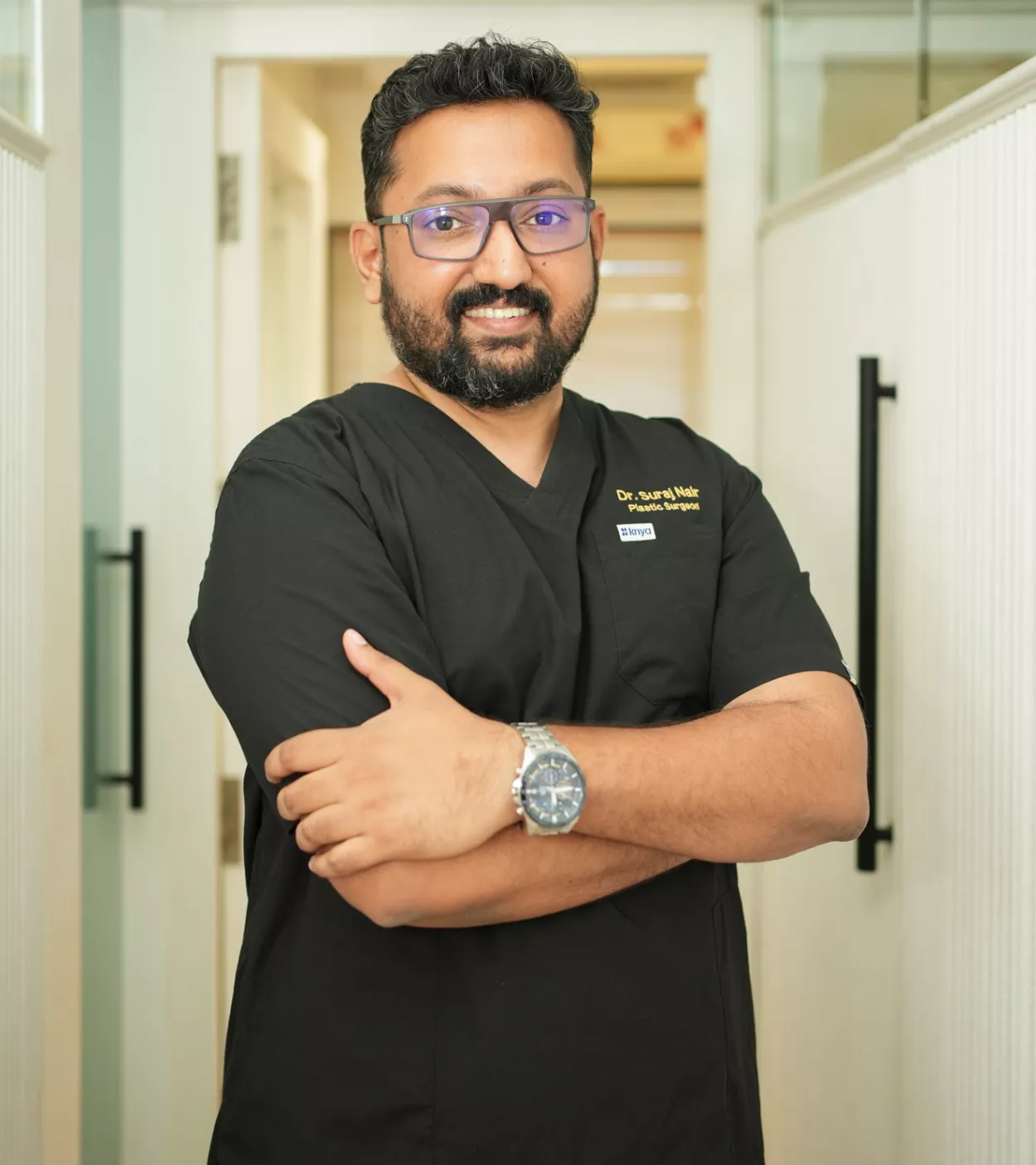
Dr. Suraj Nair
Trained at PGIMER, Chandigarh, Dr. Nair is a highly experienced breast cosmetic surgeon known for performing numerous breast augmentations, reductions, and lifts with natural outcomes.

Dr. Sanket Shetty
M.Ch Plastic Surgeon with international training at Royal Stoke Hospital, UK, experienced in advanced aesthetic and reconstructive surgeries.

Dr. Lukesh Rathod
With over 10 years of experience, Dr. Rathod specializes in minimally invasive aesthetic procedures and advanced skin treatments
Types of Septoplasty Surgery
Traditional Septoplasty
The conventional method, performed through an incision inside the nostril. The lining is lifted, the deviated cartilage and bone are reshaped or repositioned, and the lining is laid back down. It remains highly effective for most deviations.
Endoscopic Septoplasty
A minimally invasive version using a thin camera (endoscope) for a magnified, precise view inside the nose. Endoscopic septoplasty is well suited to deviations set further back, often involves less tissue disturbance, and can mean a more comfortable recovery.
Septoplasty with Turbinate Reduction
The turbinates are small structures inside the nose that can enlarge alongside a deviation and add to the blockage. When that's the case, the surgeon reduces them in the same sitting - a combined procedure that addresses both causes of obstruction at once.
Revision Septoplasty
Occasionally a previous septoplasty doesn't fully resolve the problem, or breathing difficulty returns. Revision septoplasty corrects residual or recurrent deviation and is more complex, which is why it's best handled by an experienced surgeon.
Functional Septoplasty
Focuses on correcting the deviated septum to restore normal nasal airflow while preserving the natural structure and stability of the nose. The procedure is designed to improve breathing without changing the external appearance of the nose.
SMR (Submucous Resection) vs Septoplasty
SMR is an older technique that removes a larger portion of the septal cartilage and bone. Modern septoplasty is far more conservative - it repositions and trims only what's necessary, preserving structural support. That tissue-sparing approach lowers the risk of complications, which is why septoplasty has largely replaced SMR as the standard of care.
Breathe better and improve nasal function with expert septoplasty surgery in Mumbai.
Take the first step towards better breathing today — Book your consultation with a trusted septoplasty surgeon in Mumbai.
What is Septoplasty?
Septoplasty is a surgical procedure that straightens the nasal septum, the thin wall of bone and cartilage that separates your two nostrils. When this wall is bent or displaced, it narrows one or both nasal passages and makes breathing difficult. Also referred to as deviated septum surgery, DNS surgery, or nose septum surgery, the operation is done entirely inside the nose, so it changes how you breathe without altering how your nose looks. It is a functional procedure first and foremost. The goal is airflow, not appearance.Septoplasty is a surgical procedure that straightens the nasal septum, the thin wall of bone and cartilage that separates your two nostrils. When this wall is bent or displaced, it narrows one or both nasal passages and makes breathing difficult. Also referred to as deviated septum surgery, DNS surgery, or nose septum surgery, the operation is done entirely inside the nose, so it changes how you breathe without altering how your nose looks. It is a functional procedure first and foremost. The goal is airflow, not appearance.
Understanding a Deviated Nasal Septum
A perfectly centred septum is rare – most people have some degree of deviation, and many never notice it. A problem arises only when the bend is significant enough to block airflow, trap mucus, or interfere with sleep.
What Causes a Deviated Septum?
There are three common causes. Some people are simply born with a crooked septum (a congenital deviation). Others develop one after an injury – a sports knock, a fall, or an accident that shifts the cartilage. And in some cases, the septum drifts gradually as the nose grows and ages. A deviated septum is not caused by anything you did or didn’t do.
Types & Grades of Deviated Septum
Deviations are described by their shape and severity. A C-shaped deviation curves to one side, while an S-shaped deviation bends in two directions and can obstruct both passages. A bony or cartilaginous projection called a septal spur can press into the nasal wall and trigger headaches or bleeding. Surgeons grade these from mild -barely symptomatic – to severe, where breathing is meaningfully restricted. Your assessment at Navaa determines which pattern you have and whether surgery is the right answer.
Signs You May Need Septoplasty
A deviated septum announces itself in a few recognisable ways: persistent blockage on one side, a feeling that you can never fully clear your nose, and breathing that worsens when you lie down. Many patients also report loud snoring or disturbed sleep, recurrent sinus infections, frequent nosebleeds, and facial pressure or headaches. If you breathe mainly through your mouth or wake up tired despite a full night’s sleep, the septum is often the hidden reason.
Benefits of Septoplasty
Septoplasty offers long-term relief for people with a deviated nasal septum by improving airflow through the nose. Unlike medications that temporarily reduce swelling, septoplasty corrects the underlying structural problem to provide lasting functional improvement. Many patients notice better breathing and an overall improvement in their quality of life after recovery.
Improved Nasal Breathing
Straightening the septum allows air to flow more freely through both nostrils, making everyday breathing easier and more comfortable.
Better Sleep Quality
Improved nasal airflow can reduce nighttime breathing difficulties, helping many patients sleep more comfortably and wake feeling refreshed.
Reduced Nasal Congestion
Septoplasty helps relieve persistent nasal blockage caused by a deviated septum, reducing the feeling of constant congestion.
Fewer Sinus Infections
By improving normal drainage of the sinuses, septoplasty may reduce the frequency of recurring sinus infections in suitable patients.
Improved Quality of Life
Many patients experience greater comfort during daily activities, exercise, and work after breathing becomes easier.
Treatment Options for a Deviated Septum
It’s worth being honest about what works. Medications such as decongestants, antihistamines, and steroid nasal sprays can ease swelling and relieve symptoms for a while – but they cannot move bone or cartilage. They manage the discomfort without correcting the deviation. When symptoms keep returning despite medical treatment, septoplasty is the only definitive way to physically straighten the septum and open the airway for good.
Septoplasty vs Rhinoplasty – What's the Difference?
This is the most common point of confusion. Septoplasty is internal and functional: it fixes breathing. Rhinoplasty is about the external shape of the nose. When a patient wants to breathe better and refine appearance, the two are combined as a single procedure called septorhinoplasty – you can explore the cosmetic side on our Rhinoplasty Surgery in Mumbai page. If your concern is purely aesthetic with no breathing issue, a Non-Surgical Rhinoplasty in Mumbai using fillers may be all you need. And for patients balancing the overall profile during a combined procedure, complementary options like Chin Augmentation in Mumbai are sometimes discussed during consultation.
Am I a Candidate for Septoplasty?
You may be a good candidate if you have a structurally deviated septum, ongoing breathing difficulty, and symptoms that haven’t responded to medication. Candidates should be in good general health, ideally non-smokers, and have realistic expectations – the aim is better breathing, not a particular look. The septum usually finishes growing in the late teens, so surgery is typically done from around age 18, though it may be considered earlier when obstruction is severe.
How Septoplasty is Performed – Step by Step
Consultation & Diagnosis
Your surgeon examines the inside of your nose, usually with a nasal endoscope, and may order imaging to map the deviation and check the turbinates and sinuses. This is also where your medical history and breathing pattern are reviewed.
Anesthesia
Septoplasty is most often done under general anaesthesia for comfort, though local anaesthesia with sedation is an option for some cases.
The Surgical Steps
The surgeon works through a small incision inside the nostril; there are no cuts on the outside of the nose. The lining is gently lifted, the deviated cartilage and bone are straightened, trimmed, or repositioned, and the lining is replaced. Soft internal splints or dissolvable sutures may be placed to hold everything in position.
Duration & Day-Care
The procedure usually takes around 60 to 90 minutes and is performed as day-care surgery, so most patients go home the same day.
Recovery After Septoplasty
Recovery Timeline
If nasal packing is used, it typically comes out within two to three days. Internal splints, where placed, are usually removed at about one to two weeks. Expect some congestion and mild swelling during the first couple of weeks as the nose settles, with full internal healing continuing over the following weeks.
Do's and Don'ts of Post-Nasal Surgery Care
Surgery Care: Elevate your head while sleeping, and rinse your nose with saline as instructed by your doctor; avoid blowing your nose, lifting heavy objects, or engaging in high-intensity exercise during the first several weeks after surgery; contact sports require approval from your surgeon, and most patients can return to work within a few days.
Risks & Possible Complications
Septoplasty is a safe and well-established surgical procedure with a high success rate when performed by an experienced surgeon. Most patients recover without any major concerns and experience significant improvement in their breathing. However, like all surgical procedures, septoplasty carries certain risks and potential complications. While serious complications are uncommon, it is important to understand them before deciding on surgery. During your consultation, your surgeon will explain these risks in detail, answer your questions, and discuss the precautions taken to ensure a safe procedure and smooth recovery.
Bleeding
A small amount of bleeding or blood-tinged nasal discharge is normal during the first few days after septoplasty. This usually settles on its own as the nose begins to heal. In rare cases, excessive bleeding may occur and require additional treatment or medical attention. Following your surgeon’s instructions, avoiding strenuous activities, and not blowing your nose during the early recovery period can help reduce this risk.
Infection
Although infections after septoplasty are uncommon, they can occasionally develop during the healing process. Symptoms may include increasing pain, swelling, fever, or unusual nasal discharge. Your surgeon may prescribe antibiotics to minimise the risk of infection, and maintaining proper nasal hygiene along with attending follow-up appointments helps support a healthy recovery.
Temporary Swelling & Congestion
It is normal to experience swelling, nasal congestion, and a blocked sensation immediately after surgery. These symptoms occur because the internal tissues need time to heal. Most patients notice gradual improvement over the first few weeks, while complete internal healing may continue for several months. Regular saline rinses and following your post-operative care instructions can help make the recovery period more comfortable.
Septal Perforation (Rare)
A septal perforation is a small hole that develops in the nasal septum during or after healing. This is a rare complication and may not cause symptoms in every patient. In some cases, it can lead to nasal dryness, crusting, or a whistling sound while breathing. Experienced surgeons use careful surgical techniques to preserve the septum and significantly reduce the likelihood of this complication.
Need for Revision Surgery
Septoplasty provides long-lasting improvement for most patients. However, in a small percentage of cases, persistent symptoms, scar tissue formation, incomplete correction, or a new injury to the nose may require revision surgery. Your surgeon will carefully assess your condition before recommending any additional procedure, ensuring that further treatment is only considered when it is medically necessary.
Septoplasty Cost in Mumbai
Factors Affecting the Cost
The cost of septoplasty in Mumbai depends on the type of technique used, the complexity of the deviation, whether a turbinate reduction or other procedure is combined, the anaesthesia involved, and the surgeon’s experience.
Surgery Care: Elevate your head while sleeping, and rinse your nose with saline as instructed by your doctor; avoid blowing your nose, lifting heavy objects, or engaging in high-intensity exercise during the first several weeks after surgery; contact sports require approval from your surgeon, and most patients can return to work within a few days.
Type-wise Cost
Pricing varies between traditional and endoscopic approaches, and combined procedures cost more than a standalone septoplasty.
Is Septoplasty Covered by Insurance?
This is an important point that sets septoplasty apart from cosmetic nose surgery. Because it corrects a medical, functional problem, septoplasty is frequently covered by health insurance when it is performed to relieve a breathing obstruction. Coverage depends on your policy and documentation, so our team can guide you on what your insurer is likely to require.
Patients experience improved airflow, better breathing, and enhanced comfort in daily life after the procedure.

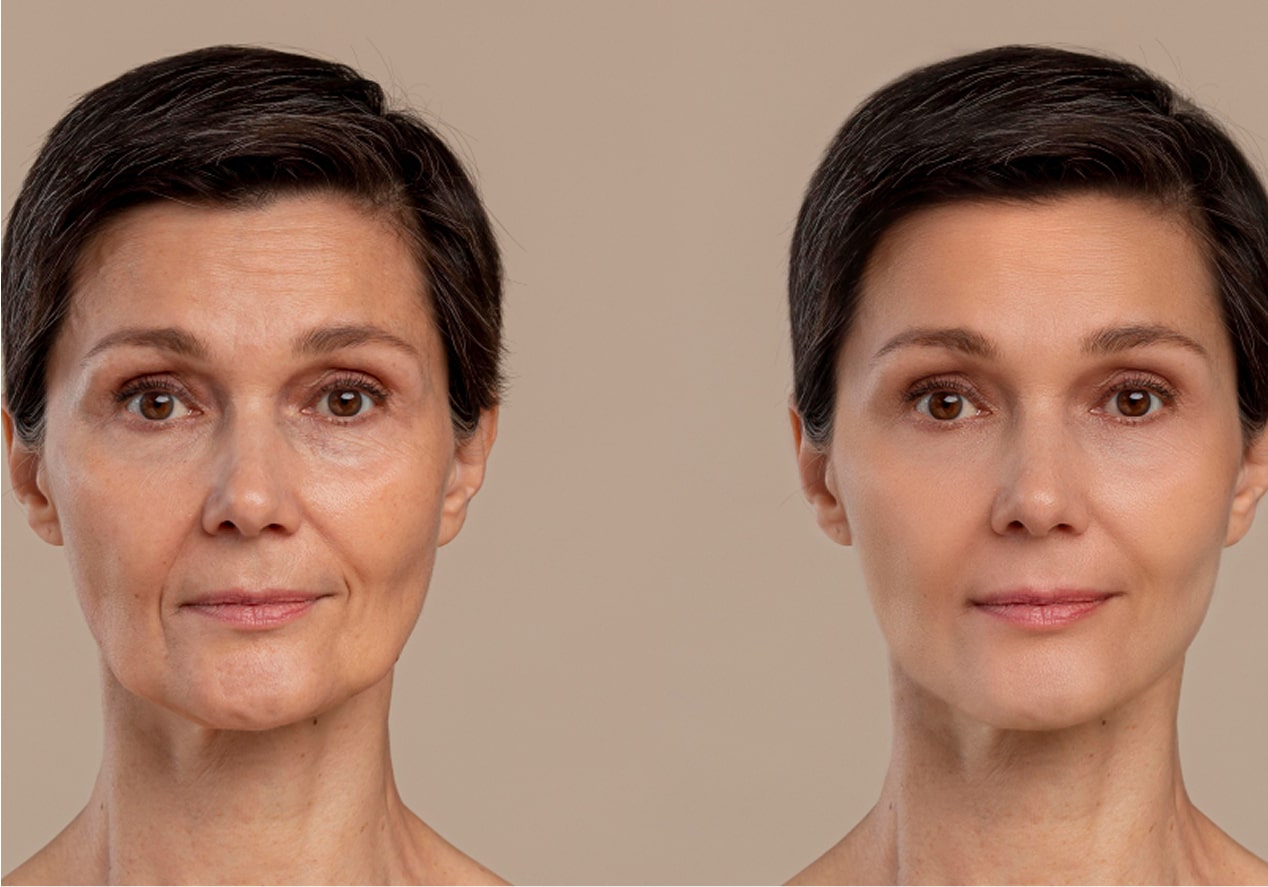
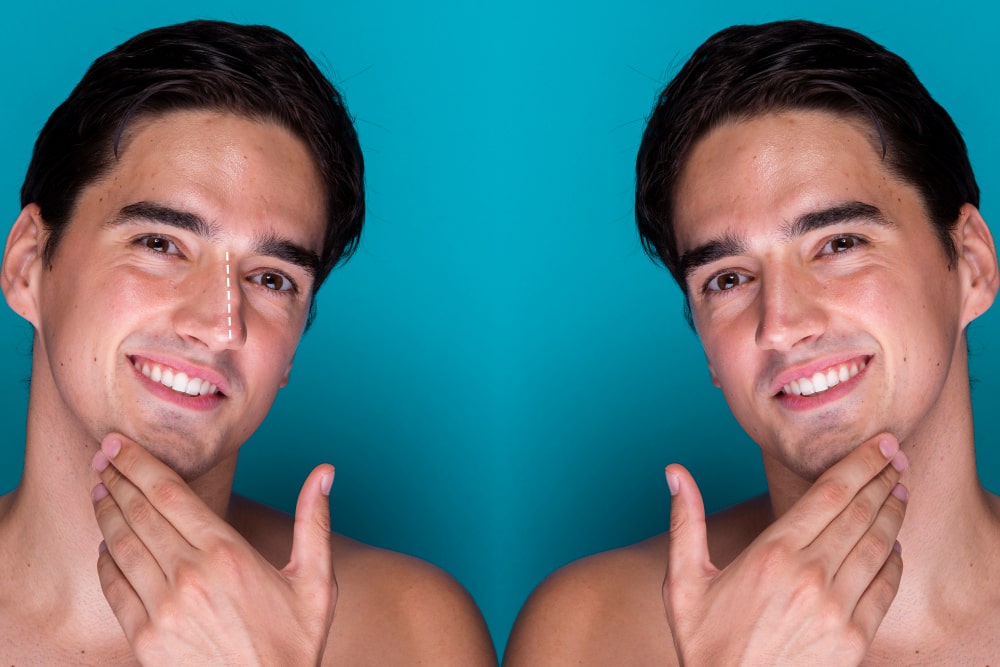

Correct a deviated septum and experience improved airflow with advanced treatment at Navaa.
Take the first step towards nasal correction today — Book your consultation with an expert deviated septum surgeon in Mumbai.

Visit Best Clinic for septoplasty / deviated septum surgery in Mumbai.
Navaa Aesthetics – Plastic Surgery Clinics
4th floor, 405, Morya Estate, New Link Rd, opp. Infinity Mall, Veera Desai Industrial Estate, Andheri West, Mumbai
Frequently Asked Questions
Does septoplasty change the shape of my nose?
Is septoplasty a painful procedure?
Will I have any visible scars after septoplasty?
Is septoplasty a permanent solution for a deviated septum?
At what age can septoplasty be done?
How long does it take to recover from septoplasty?
Have More Questions?
Still have questions or need personalised guidance? Our experts are here to help you make informed and confident decisions—every step of the way.
⭐⭐⭐⭐⭐ Rated 4.9/5 by 500+ Patients in Mumbai
Get Free Cost Estimation
Take the first step toward better breathing and improved comfort.
Navaa Plastic and Cosmetic Surgery Clinic, Andheri, Mumbai
Book your consultation today