
- Home
- About Us
- Treatments
-
-
- Skin
-
- Face
-
- Breast
- Reconstructive
-
- Body
- Genitalia
- Maxillofacial
-
-
- Doctors
- Blogs
- Gallery
- Contact Us
- Home
- About Us
- Treatments
-
-
- Skin
-
- Face
-
- Breast
- Reconstructive
-
- Body
- Genitalia
- Maxillofacial
-
-
- Doctors
- Blogs
- Gallery
- Contact Us
Bed Sores Treatment in Mumbai - Pressure Ulcer Surgery at Navaa Plastic & Cosmetic Surgery
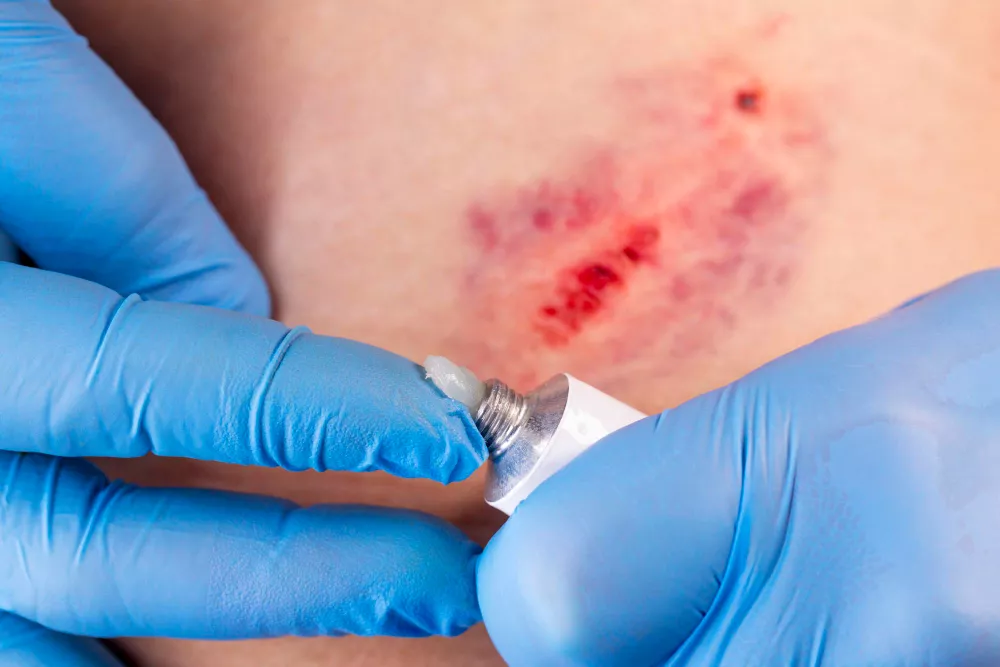
A bed sore – also called a pressure ulcer or decubitus ulcer – is a serious injury to the skin and underlying tissue caused by prolonged, unrelieved pressure, most often over bony areas such as the tailbone, hips, and heels. For patients with limited mobility due to paralysis, prolonged bed rest, or chronic illness, a pressure ulcer that reaches an advanced stage will not heal on its own. Dressings and creams alone cannot close a deep wound down to fat, muscle, or bone – this requires specialised medical and surgical care.
At Navaa Plastic & Cosmetic Surgery, bed sores are treated by MCh-qualified reconstructive plastic surgeons, using the full range of options from advanced wound care through to definitive flap reconstruction surgery for deep, non-healing ulcers. We understand that caring for a loved one with a pressure ulcer is a difficult and often exhausting experience for families, and we are committed to treating every patient and caregiver with the dignity, privacy, and compassion this condition deserves.
— Why Choose Us
Why Choose Navaa Plastic and Cosmetic Surgery Clinic for Bed Sores Treatment in Mumbai?
At Navaa Plastic and Cosmetic Surgery Clinic, we combine surgical precision with genuine compassion for every patient and family we care for.
MCh Plastic Surgeons – Flap Surgery Expertise
Deep pressure ulcers that reach Stage 3 or 4 may require flap reconstruction. MCh-qualified plastic surgeons provide advanced reconstructive care for complex wounds.
Staged Approach – Wound Preparation
Contaminated or poorly prepared wounds may require staged treatment. Debridement and wound preparation are performed before definitive flap surgery when appropriate.
Multidisciplinary Team Care
Complex pressure ulcers often require coordinated care. Our team works with relevant specialists to address nutrition, mobility, and underlying conditions that may affect healing.
Personalised Treatment Planning
Treatment is tailored to the ulcer’s stage, location, and the patient’s overall condition, ranging from conservative wound care to flap surgery when appropriate.
Located in Andheri, Mumbai
Modern, fully equipped surgical facilities in Andheri with specialist post-operative support for patients requiring pressure ulcer surgery.
Our Results Before and After
Before-and-after results from pressure ulcer treatments, including debridement and flap reconstruction, are available for review during consultation.
— Our Doctors
Meet Our Expert Team

Dr. Suraj Nair
Trained at PGIMER, Chandigarh, Dr. Nair is a highly experienced breast cosmetic surgeon known for performing numerous breast augmentations, reductions, and lifts with natural outcomes.

Dr. Sanket Shetty
M.Ch Plastic Surgeon with international training at Royal Stoke Hospital, UK, experienced in advanced aesthetic and reconstructive surgeries.

Dr. Lukesh Rathod
With over 10 years of experience, Dr. Rathod specializes in minimally invasive aesthetic procedures and advanced skin treatments
Understanding Pressure Ulcer Stages and How Each is Treated
Early Stage Ulcers
Stage 1 presents as intact skin with non-blanchable redness. Stage 2 involves partial-thickness skin loss with an exposed or blistered wound bed. Early treatment focuses on pressure relief, skin care, nutrition, and appropriate wound management.
Full-Thickness Skin Loss
Stage 3 involves full-thickness skin loss, with visible fat and possible granulation tissue. Muscle, tendon, cartilage, and bone are not exposed. Treatment focuses on pressure relief, wound care, and removal of non-viable tissue when needed.
Full-Thickness Tissue Loss (Exposed Bone or Muscle)
Stage 4 involves full-thickness skin and tissue loss with exposed or directly palpable fascia, muscle, tendon, cartilage, or bone. Treatment may require advanced wound care, debridement, and reconstructive procedures such as flap surgery.
Unstageable Pressure Ulcers
Some pressure ulcers cannot be staged because the wound bed is covered by slough or eschar. Once the tissue covering is removed, the underlying stage can be determined.
Promote faster healing with expert bed sores treatment in Mumbai at Navaa.
Take the first step towards faster healing today — Book your consultation with a trusted bed sores treatment specialist in Mumbai.
Bed Sores Treatment Options at Navaa
Treatment for a pressure ulcer ranges from simple wound care to major reconstructive surgery. At Navaa, the appropriate treatment or combination of treatments is determined by the stage and characteristics of the specific wound.
Advanced Wound Care and Dressings
For Stage 1 and 2 ulcers, and as part of preparing more advanced wounds for further treatment, specialised wound dressings play a central role. Modern wound care is based on maintaining a moist, clean wound environment, which supports healing far more effectively than leaving a wound exposed to dry out. The specific dressing material is chosen based on the wound characteristics and the amount of drainage present.
Debridement
Debridement is the surgical removal of dead, non-viable, or infected tissue from the wound. This is a necessary step for most Stage 3 and Stage 4 ulcers, as healthy tissue cannot regenerate and a wound cannot close properly while dead tissue and, where present, infected bone remain in place. Debridement is typically performed in an operating room setting for deeper wounds.
Negative Pressure Wound Therapy (NPWT / Wound VAC)
Negative Pressure Wound Therapy, commonly called a Wound VAC, applies controlled, continuous gentle suction to the wound through a specialised foam dressing. This helps clean the wound, reduce swelling, draw the wound edges together, and stimulate the growth of healthy granulation tissue. NPWT is frequently used for days to weeks after debridement, to properly prepare a Stage 3 or 4 wound bed before definitive surgical closure is attempted.
Flap Reconstruction Surgery
Flap surgery is the definitive, gold-standard treatment for deep Stage 3 and Stage 4 pressure ulcers that will not close on their own. A flap of healthy tissue – skin, fat, and in some cases muscle, along with its own blood supply – is carefully moved from a nearby area to cover the bony prominence and completely fill the wound defect. This is a major surgical procedure requiring significant reconstructive expertise, but it is the only reliable way to achieve durable, long-term closure of a deep pressure ulcer, bringing fresh, healthy, well-vascularised tissue to a site that previously had none.
Skin Grafting for Select Cases
For certain shallower wounds, or as part of a staged reconstruction plan, skin grafting may be an appropriate option rather than a full flap. Skin grafting alone is generally not suitable for deep wounds with exposed bone, as it does not provide the cushioning and blood supply that a flap provides – but it remains a valuable tool in the right circumstances. See Skin Grafting in Mumbai for the full overview of skin grafting techniques at Navaa.
What Causes Bed Sores?
A pressure ulcer forms when constant, unrelieved pressure on an area of skin – especially over a bony prominence – cuts off the blood supply to that tissue. Without adequate blood flow, tissue is deprived of oxygen and nutrients, and if pressure is not relieved, the tissue begins to die, leading to ulceration. Friction and shearing forces, such as those that occur when a patient is dragged rather than lifted during repositioning, make this process worse.
Common Sites - Where Pressure Ulcers Develop
Pressure ulcers develop over bony prominences where the least soft tissue padding sits between bone and skin. The most common sites are:
– The sacrum and tailbone (coccyx), particularly in patients who spend long periods lying on their back
– The hips and ischium (sitting bones), particularly in wheelchair users and patients lying on their side
– The heels
– The elbows
– The back of the head and shoulder blades, in patients who are bedbound for extended periods
Who is at Risk?
Patients at highest risk of developing pressure ulcers include those with:
– Limited mobility, including paralysis, spinal cord injury, or prolonged bed rest after illness or surgery
– Reduced sensation, which prevents the normal discomfort response that would otherwise prompt a person to shift position
– Poor nutrition, which impairs the skin’s ability to withstand and recover from pressure
– Advanced age, where skin is naturally thinner and less resilient
– Chronic illness affecting circulation, such as diabetes or vascular disease
– Incontinence, where prolonged skin moisture increases vulnerability to breakdown
Complications of Untreated Pressure Ulcers - Infection and Osteomyelitis
An untreated or poorly managed deep pressure ulcer carries serious risks. Local infection can spread to the underlying bone, causing osteomyelitis – a bone infection that requires antibiotic treatment and often surgical removal of the infected bone before any wound closure can be attempted. In severe, neglected cases, infection can become systemic, leading to sepsis, which can be life-threatening. This is why a chronic, non-healing pressure ulcer should never be regarded as a minor issue – it is a genuine source of ongoing infection risk, protein loss, and pain that warrants proper medical and surgical attention.
Who Needs Surgical Treatment for Bed Sores?
When Dressings Are Enough
Stage 1 and Stage 2 pressure ulcers can generally be managed successfully with non-surgical care – pressure relief, repositioning, nutrition, and appropriate wound dressings – without requiring surgery, provided treatment begins promptly and is followed consistently.
When Surgery is Necessary
Deep Stage 3 and Stage 4 pressure ulcers with significant tissue loss, particularly those with exposed bone, tendon, or muscle, will not heal on their own or with dressings alone. These wounds require surgical debridement and, in most cases, definitive flap reconstruction to achieve a durable, healed closure. A chronic wound that has failed to respond to weeks of appropriate conservative wound care is also a signal that surgical evaluation is warranted.
Pre-Surgical Medical Optimisation
Because patients with advanced pressure ulcers are often medically fragile, surgery is not undertaken until the patient has been appropriately optimised. This includes improving nutritional status (often with a high-protein diet), managing blood sugar levels in diabetic patients, treating any active infection, and confirming the patient has access to an appropriate pressure-relieving surface for the critical recovery period ahead. Proceeding to major surgery in a poorly optimised patient significantly increases the risk of a failed outcome.
How Bed Sores Treatment Works at Navaa - Step by Step
Comprehensive Assessment and Wound Evaluation
Treatment begins with a thorough assessment of the wound, including its size, depth, location, infection risk, and surrounding tissue. This helps determine the most appropriate treatment plan.
Medical Optimisation
Before surgery, factors such as nutrition, blood sugar, circulation, and infection are assessed and optimised. Pressure-relieving measures are also introduced to support healing.
Surgical Debridement and Wound Bed Preparation
Dead, infected, or non-viable tissue is carefully removed to create a clean wound bed. Negative pressure wound therapy may be used when appropriate to support healthy tissue formation.
Definitive Flap Reconstruction Surgery
Once the wound is clean and healthy, flap reconstruction may be performed. Healthy tissue is moved from a nearby area to cover the defect and support healing.
Critical Post-Operative Offloading and Recovery
After flap surgery, protecting the reconstructed area from pressure is essential. Specialised offloading, wound care, and regular follow-up help support healing and reduce complications.
Long-Term Wound Care & Prevention
Ongoing wound care, pressure management, nutrition, and regular monitoring help maintain healing and reduce the risk of recurrence.
Bed Sores Treatment Cost in Mumbai
The cost of bed sores treatment at Navaa depends on the stage of the ulcer, whether surgical debridement and flap reconstruction are required, the length of hospital stay, and the extent of post-operative care needed. A detailed, transparent cost estimate is provided at consultation after a full assessment of the patient and the wound.
Factors That Affect the Cost
– Stage of the ulcer: conservative wound care for Stage 1 and 2 costs significantly less than surgical debridement and flap reconstruction for Stage 3 and 4
– Number of procedures: some patients require an initial debridement followed by a separate definitive flap surgery, rather than a single procedure
– Length of hospital stay: flap surgery patients typically require a longer stay for the critical post-operative offloading period
– NPWT / Wound VAC use: negative pressure therapy, where used to prepare the wound, adds to the overall cost
– Complexity: multiple ulcers, associated bone infection, or a medically complex patient all increase treatment complexity and cost
Insurance and Payment Options at Navaa
The treatment of a pressure ulcer, including advanced wound care and flap reconstruction surgery, is a medically necessary procedure and is generally covered by health insurance in India, as it is reconstructive rather than cosmetic in nature. Navaa provides the necessary medical documentation to support insurance claims. Flexible EMI options are also available through our financial partners for costs not covered by insurance.
Recovery and Results
– Stage 1 and 2 ulcers managed with conservative wound care typically heal over several weeks with consistent pressure relief and dressing care
– Debridement and NPWT wound bed preparation typically takes several days to a few weeks before the wound is ready for definitive closure
– Flap reconstruction is major surgery – hospital stay and initial recovery monitoring typically extends over one to two weeks
– The post-operative offloading period – keeping all pressure off the surgical site – typically lasts three to six weeks and is the single most important factor in surgical success
– Gradual, surgeon-guided return to sitting or normal positioning begins only once the flap is confirmed fully healed
– A successfully healed flap provides durable, long-term wound closure with restored tissue cushioning over the previously exposed bone
– Surgery closes the existing wound but does not eliminate the underlying risk factors – lifelong vigilance is required to prevent recurrence
Preventing Recurrence After Treatment
Surgery closes the wound, but it does not cure the underlying condition – limited mobility, reduced sensation, or chronic illness – that caused the pressure ulcer to develop in the first place. Without a genuine, lifelong commitment to prevention, recurrence risk is high. The core elements of prevention are frequent repositioning (turning the patient at least every two hours if bedbound), the consistent use of appropriate pressure-relieving mattresses and cushions, daily skin inspection to catch early warning signs before they progress, good hygiene particularly in patients with incontinence, and maintaining strong nutrition and hydration. At Navaa, comprehensive caregiver education on these prevention strategies is provided before discharge, because the success of the surgery ultimately depends on what happens after the patient leaves our care.
Our Approach to Restoring Health and Dignity
At Navaa, we understand that a pressure ulcer is rarely a sign of neglect – even the most diligently cared-for, medically fragile patients can develop them. We treat every patient and every caregiver with complete privacy, respect, and compassion, from the first assessment through months of follow-up care. We are honest that flap surgery is a significant undertaking on often vulnerable patients, and equally honest that a chronic, open, infected wound is frequently the greater risk to a patient’s overall health. Our goal is not simply to close a wound, but to help restore comfort, health, and dignity to patients and meaningful peace of mind to the families and caregivers supporting them. For a full view of reconstructive treatments at Navaa, explore our Reconstructive Treatments at Navaa.
Patients experience improved wound healing, reduced infection risk, and restored skin integrity.

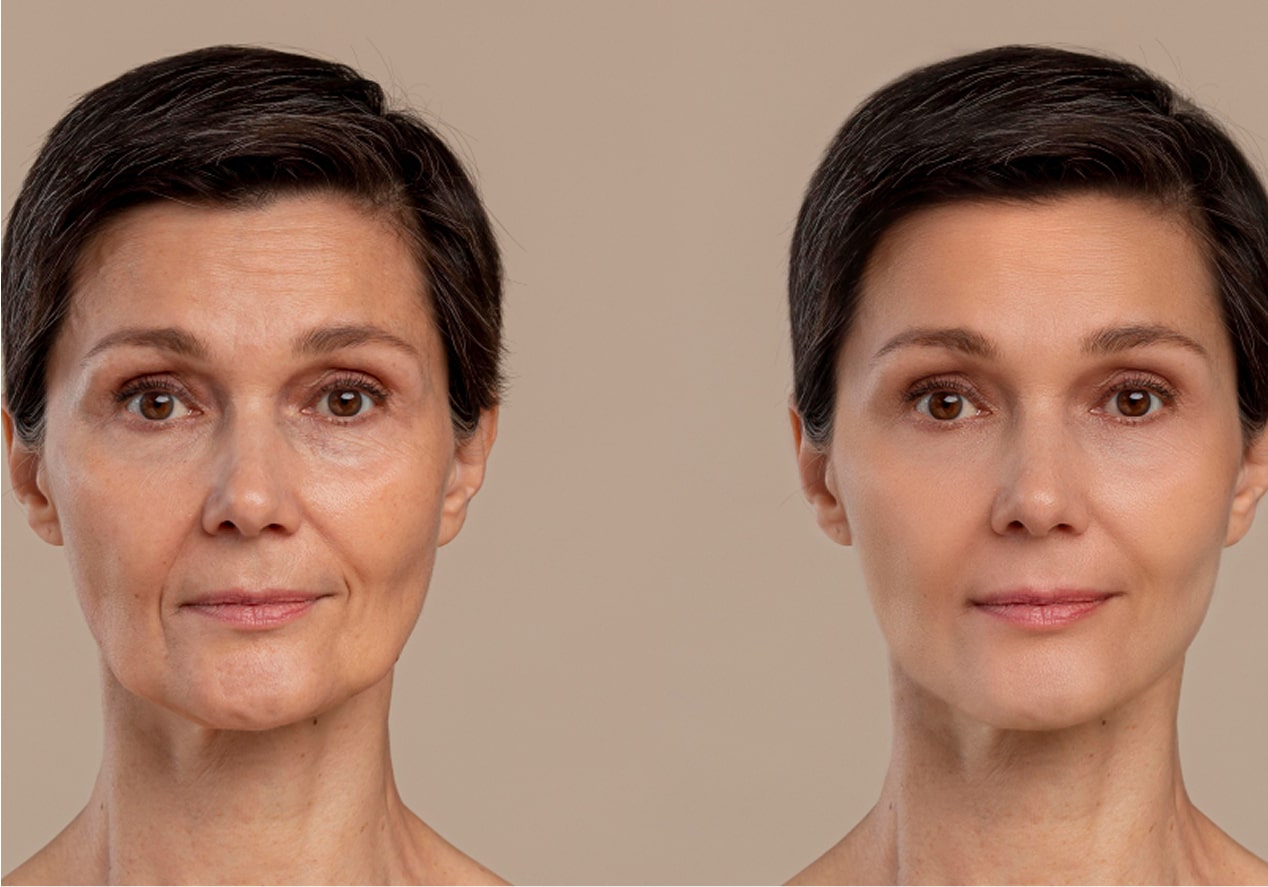

Treat pressure ulcers effectively with advanced wound care solutions.
Take the first step towards advanced wound care today — Book your consultation with an expert pressure ulcer treatment doctor in Mumbai.

Visit Best Clinic for bed sores treatment in Mumbai.
Navaa Aesthetics – Plastic Surgery Clinics
4th floor, 405, Morya Estate, New Link Rd, opp. Infinity Mall, Veera Desai Industrial Estate, Andheri West, Mumbai
Frequently Asked Questions About Bed Sores Treatment in Mumbai
Can a Stage 4 pressure ulcer heal without surgery?
What is flap surgery for bed sores?
Is bed sores treatment covered by insurance?
How long is recovery after flap surgery?
Can bed sores come back after surgery?
What is osteomyelitis and how is it treated?
How can bed sores be prevented?
Is bed sores treatment painful?
Have More Questions?
Still have questions or need personalised guidance? Our experts are here to help you make informed and confident decisions—every step of the way.
⭐⭐⭐⭐⭐ Rated 4.9/5 by 500+ Patients in Mumbai
Get expert care for bed sores and promote faster healing.
Navaa Plastic and Cosmetic Surgery Clinic, Andheri, Mumbai
Book your consultation today