
- Home
- About Us
- Treatments
-
-
- Skin
-
- Face
-
- Breast
- Reconstructive
-
- Body
- Genitalia
- Maxillofacial
-
-
- Doctors
- Blogs
- Gallery
- Contact Us
- Home
- About Us
- Treatments
-
-
- Skin
-
- Face
-
- Breast
- Reconstructive
-
- Body
- Genitalia
- Maxillofacial
-
-
- Doctors
- Blogs
- Gallery
- Contact Us
Mole Removal Treatment in Mumbai – Laser & Surgical Options at Navaa Plastic & Cosmetic Surgery
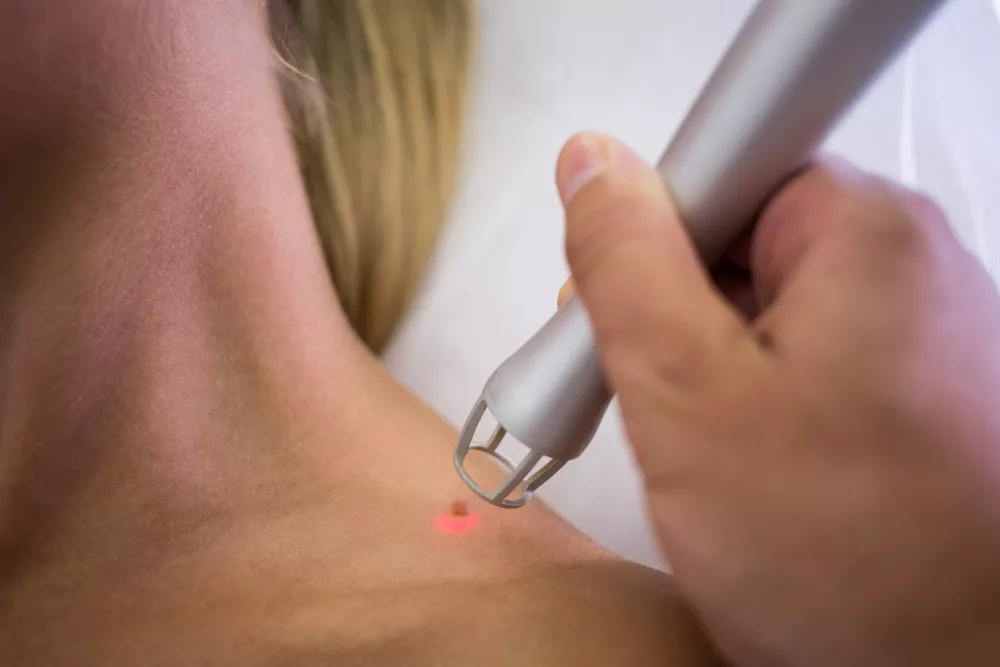
Moles are among the most common skin growths in India. Most people have between 10 and 40 moles on their body and live with them without concern. But when a mole on your face, neck, or body is affecting your confidence, catching on clothing, or showing signs of change it can be safely and permanently removed.
At Navaa Plastic & Cosmetic Surgery, mole removal is performed by MCh-qualified plastic surgeons using the technique best suited to your specific mole laser, radiofrequency, shave excision, or surgical removal. The procedure is done under local anaesthesia and completed in a single visit.
— Why Choose Us
Why Choose Navaa Plastic and Cosmetic Surgery Clinic for Mole Removal in Mumbai?
At Navaa Plastic and Cosmetic Surgery Clinic, we combine surgical precision with aesthetic artistry to achieve refined and natural outcomes.
Plastic Surgeon Led Care Not a Skin Clinic
Every mole removal is performed by an experienced plastic surgeon, ensuring safe treatment, minimal scarring, and natural-looking results.
Histopathology for Suspicious Moles
If a mole appears suspicious, it is sent for laboratory testing to confirm the diagnosis and ensure appropriate treatment when needed.
Multiple Techniques Available
Laser, radiofrequency, shave, and surgical excision are available. The most suitable technique is selected based on your mole and skin type.
Personalised Treatment Planning
Your treatment is tailored to your skin, mole characteristics, and cosmetic goals to achieve the best possible aesthetic outcome.
Located in Andheri, Mumbai
Our modern clinic in Andheri offers expert plastic surgeon-led mole removal with personalized care from consultation through recovery.
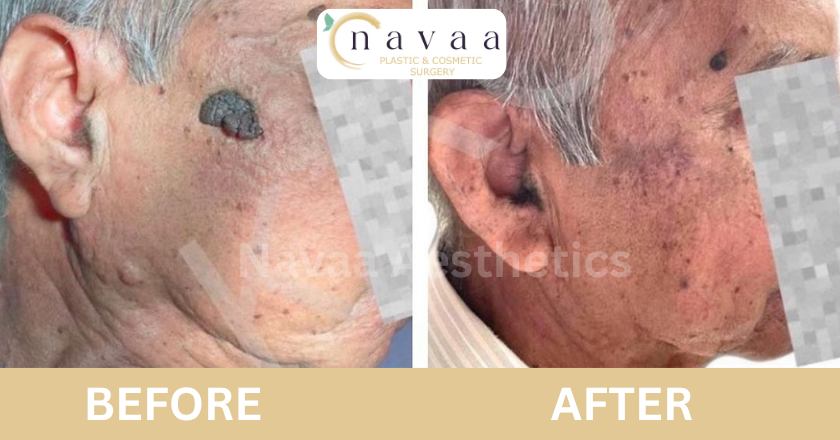
Our Results Before and After
See real patient before-and-after results that reflect our commitment to natural-looking outcomes, precision, and personalized plastic surgery care.
— Our Doctors
Meet Our Expert Team
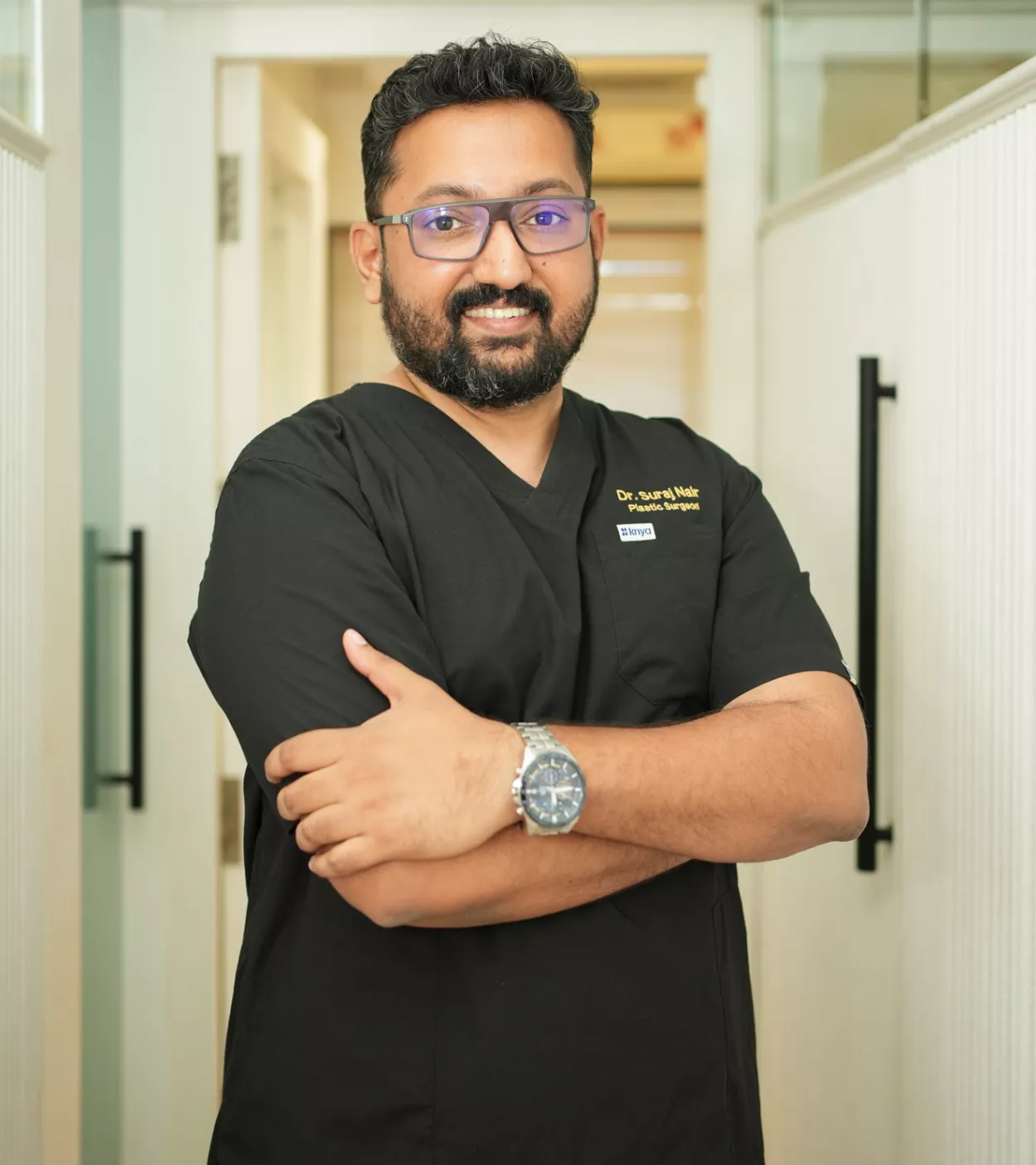
Dr. Suraj Nair
Trained at PGIMER, Chandigarh, Dr. Nair is a highly experienced breast cosmetic surgeon known for performing numerous breast augmentations, reductions, and lifts with natural outcomes.

Dr. Sanket Shetty
M.Ch Plastic Surgeon with international training at Royal Stoke Hospital, UK, experienced in advanced aesthetic and reconstructive surgeries.

Dr. Lukesh Rathod
With over 10 years of experience, Dr. Rathod specializes in minimally invasive aesthetic procedures and advanced skin treatments
Types of Moles What Can and Cannot Be Removed
Not all moles are the same. The type of mole you have will influence which removal technique your surgeon recommends and in some cases, whether removal by laser is even appropriate. Your surgeon will assess the mole at consultation and advise accordingly.
Common (Acquired) Moles
These are the most common types of moles and usually appear during childhood or adulthood. In most cases, they can be removed safely. During your consultation, your surgeon will recommend the most suitable treatment based on the mole's size, location, and appearance.
Congenital Moles (Present Since Birth)
Congenital moles are present from birth and differ in size and appearance. Many can be treated safely, while some require careful evaluation. Your surgeon will assess your mole and explain the best treatment option for your individual case.
Dysplastic / Atypical Moles When to Be Cautious
If a mole has changed in size, shape, colour, or texture, it should be examined by a specialist. When necessary, surgical removal and laboratory testing may be recommended to ensure an accurate diagnosis and appropriate treatment.
Black Moles on the Face a Special Case
Moles on the face need special care because both safety and appearance matter. Our plastic surgeons choose the most appropriate technique to remove the mole while preserving healthy skin and achieving the best possible cosmetic outcome.
Take the first step towards clear skin today — Book your consultation with a trusted mole removal specialist in Mumbai.
What is Mole Removal?
Moles are among the most common skin growths in India. Most people have between 10 and 40 moles on their body, and many live with them their entire lives without any concern. But for some, a mole on the face, neck, or another visible area can affect confidence — and for others, a changing or unusual mole raises a genuine medical question.
Mole removal is a minor outpatient procedure performed by a plastic or cosmetic surgeon to safely remove a mole from the skin. Depending on the mole’s type, size, depth, and location, the surgeon may use surgical excision, shave excision, laser, or radiofrequency. The procedure is done under local anaesthesia and typically completed in a single visit.
Medical Definition – What is a Mole (Nevus)?
In medical terms, a mole is called a nevus (plural: nevi). It is a benign growth that forms when pigment-producing cells called melanocytes cluster together in or beneath the skin, rather than spreading evenly. The result is a concentrated spot of colour most commonly brown, tan, or black that can be flat or raised, smooth or textured.
Moles can appear anywhere on the body including the face, scalp, neck, back, arms, and legs. They may be present at birth (congenital nevi) or develop over time due to sun exposure, hormonal changes during puberty or pregnancy, or simply with age. The vast majority of moles are harmless. However, some types particularly dysplastic or atypical nevi carry a higher risk of becoming cancerous and require careful monitoring or removal.
Cosmetic Mole Removal vs Medical Mole Removal – What's the Difference?
There are two broad reasons why someone chooses to remove a mole cosmetic and medical and the approach can differ depending on which applies to you.
Cosmetic mole removal is performed when a mole is bothering you aesthetically. Perhaps it sits prominently on your face, catches on clothing, or simply makes you self-conscious. These moles are typically benign confirmed by the surgeon’s assessment and the goal of removal is to achieve smooth, clear skin with minimal scarring.
Medical mole removal is performed when a mole shows warning signs of becoming cancerous, has changed in shape, size, or colour, bleeds without reason, or is otherwise suspicious. In these cases, removal is not just cosmetic the tissue is sent to a pathology lab for histopathology to confirm whether it is benign or malignant.
At Navaa, every mole is assessed carefully before removal. No mole is removed by laser if it appears suspicious — surgical excision with histopathology is always recommended in those cases.
Warning Signs – When a Mole Needs Medical Attention
The majority of moles will never cause any medical problem. However, some moles change over time in ways that warrant prompt evaluation by a plastic surgeon. Knowing what to look for could make a meaningful difference.
The ABCDE Rule Explained
The ABCDE rule is the internationally recognised system for identifying moles that need professional assessment. Check your moles regularly using these five criteria:
A – Asymmetry: One half of the mole does not match the other half in shape. A typical benign mole is roughly symmetrical.
B – Border: The edges of a concerning mole are irregular, ragged, notched, or blurred — rather than smooth and well-defined.
C – Colour: A mole with multiple shades — different tones of brown, black, red, white, or blue within the same spot — is more concerning than one with a single uniform colour.
D – Diameter: Any mole larger than 6 mm (roughly the size of a pencil eraser) deserves attention, though smaller moles can also be problematic if other features are present.
E – Evolving: Any mole that is changing — in size, shape, colour, or texture — or one that starts to bleed, itch, or crust should be assessed without delay.
If your mole meets any of these criteria, do not attempt to remove it at home or delay seeing a specialist. Early assessment is always the right decision.
Should You See a Plastic Surgeon or Dermatologist?
For cosmetic mole removal — particularly on the face, neck, or other visible areas — a plastic surgeon is typically the better choice. The goal is not just removal but the quality of the outcome: how the skin heals, where the scar sits, and how minimal it remains.
A plastic surgeon is trained in tissue handling, wound closure, and scar minimisation in ways that go beyond dermatological training. At Navaa, our surgeons are MCh-qualified plastic and cosmetic surgeons — the highest postgraduate qualification in plastic surgery in India — who perform mole removal as part of a broader practice in skin, facial, and body procedures.
If a mole appears suspicious and requires histopathology, a plastic surgeon can perform the excision and arrange the tissue analysis. If results indicate a concern, the same team can advise on next steps.
Who Is the Right Candidate for Mole Removal?
Mole removal is suitable for a wide range of patients — but the reason for removal and the nature of the mole determine whether it is the right time and the right approach for you.
Cosmetic Candidates – Moles That Bother You Aesthetically
You may be a good candidate for cosmetic mole removal if:
- You have a mole on your face, neck, or another visible area that affects your confidence or appearance
- The mole has been assessed and confirmed as benign
- The mole catches on clothing, jewellery, or is irritated by shaving
- You are in good general health with no active skin infections in the area
- You have realistic expectations — mole removal leaves a small mark or very faint scar, not completely invisible skin
Medical Candidates – Moles That Need to Be Checked
Medical removal is recommended if:
- Your mole shows any ABCDE warning signs described above
- The mole has changed recently in size, colour, shape, or texture
- It bleeds, itches, or crusts without injury
- You have a family history of skin cancer or melanoma
- A previous biopsy or assessment has flagged the mole as dysplastic
In these cases, surgical excision with histopathology is not optional — it is the medically appropriate course of action.
Who Should Not Rush Into Removal
Mole removal is not appropriate in certain situations:
- If the mole has not been assessed by a surgeon first — never remove a mole at home or through unqualified practitioners
- If you are pregnant — hormonal changes can affect mole behaviour and skin healing; deferring removal until after delivery is generally recommended
- If you are on blood-thinning medications — your surgeon will advise on whether to pause them before the procedure
- If the mole is in an active area of inflammation or infection — the area should be treated first
Mole Removal Techniques at Navaa
There is no single technique that suits every mole. The right method depends on the mole’s type, size, depth, location, and whether histopathology is needed. Your surgeon will discuss the most appropriate option at your consultation.
Surgical Excision with Sutures
Surgical excision is the gold standard for mole removal — particularly for raised, deep, large, or suspicious moles. The surgeon uses a scalpel to cut out the mole along with a small margin of surrounding skin, then closes the wound with sutures. This technique allows the removed tissue to be sent for histopathology. Sutures are typically removed from the face within 5–7 days and from the body within 10–14 days. Excision leaves a thin linear scar which fades significantly over 3–6 months.
Shave Excision (No Stitches)
Shave excision is used for raised moles that are not deeply embedded in the skin. The surgeon uses a fine blade to shave the mole flush with the surrounding skin surface — stitches are usually not required and the wound heals as a shallow abrasion. Faster, leaves no suture marks, and heals with minimal visible scarring. However, it is not appropriate for flat moles or those that may be suspicious. There is also a small chance of mole regrowth if some cells remain beneath the surface.
Laser Mole Removal
Laser mole removal uses a focused beam of light — typically a CO₂ or Er:YAG laser — to vaporise the mole tissue layer by layer. Best suited for small, flat, clearly benign moles, particularly on the face where precision and minimal scarring are priorities. The limitation of laser removal is that it destroys the tissue — leaving nothing for histopathology. For this reason, laser is only used when the mole has been thoroughly assessed and confirmed as benign. It is never used for suspicious, changing, or atypical moles. Conservative settings are used for Indian skin to prevent post-inflammatory hyperpigmentation.
Radiofrequency (RF) Mole Removal
Radiofrequency uses high-frequency radio waves delivered through a fine electrode to precisely cut and vaporise mole tissue. Unlike traditional electrosurgery, RF generates less heat in surrounding tissue — meaning less thermal damage, faster healing, and reduced scarring. Well-suited for raised moles and skin tags on the face, neck, and body. Like laser, only appropriate for confirmed benign moles. A popular choice for patients who want a quick, stitch-free procedure for cosmetic removal.
Which Technique Is Right for Your Mole?
As a general guide:
- Flat, benign moles: Laser or RF
- Raised, benign moles: Shave excision or RF
- Deep or large moles: Surgical excision with sutures
- Suspicious or atypical moles: Surgical excision with histopathology — always
- Moles on the face: Laser, RF, or shave excision depending on depth — assessed at consultation
Your surgeon will make the final recommendation at consultation after examining the mole in person.
The Mole Removal Procedure at Navaa – Step by Step
1
Consultation and Mole Assessment
Your treatment begins with a detailed consultation. Our plastic surgeon will examine your mole, discuss your concerns, and recommend the most suitable removal technique. You’ll also understand the procedure, expected results, and whether any additional testing is required.
2
Histopathology – When Your Mole Is Sent for Testing
If your mole appears suspicious or has changed over time, it may be sent to a laboratory for further testing after removal. This helps confirm the diagnosis and ensures you receive the most appropriate care if additional treatment is needed.
3
Anesthesia and Preparation
Before the procedure, the treatment area is cleaned and a local anaesthetic is used to keep you comfortable. Once the area is numb, your surgeon carefully removes the mole using the technique best suited to your condition.
4
Recovery
Most patients return home shortly after the procedure. Mild swelling, redness, or discomfort is normal and usually settles within a few days. Your surgeon will provide simple aftercare instructions to support smooth healing and the best cosmetic result.
5
Recovery, Aftercare, and Follow-Up
Day 1–3: Mild redness, swelling, and tenderness are normal. Keep the area clean and dry. A small scab may form after laser or RF treatment, while stitched wounds should remain covered.
Day 4–10: Avoid picking the scab. Facial stitches are usually removed within 5–7 days.
Week 2 onwards: Redness gradually fades and the scar softens over time. Use SPF 50+ sunscreen daily to help prevent pigmentation.
If you notice a raised or thickened scar, speak to your surgeon. Learn more about Scar Revision Surgery in Mumbai if additional treatment is required.
6
Results and Scar Care
Most patients heal with a fine, discreet scar that gradually fades over time. Following your surgeon’s aftercare instructions and protecting the area from the sun helps achieve the best cosmetic result.
Mole Removal Cost in Mumbai
The cost of mole removal in Mumbai depends on:
Factors Affecting the Cost
- Number of moles — removing several moles together is more cost-efficient than multiple separate visits
- Technique used — laser and RF have different cost structures compared to surgical excision which involves theatre time, sutures, and dressings
- Size and depth — larger or deeper moles require more time and precision
- Location — moles on cosmetically sensitive areas such as the face require greater surgical precision
- Histopathology — if tissue testing is needed, the pathology fee is an additional cost confirmed in advance
Cost by Technique – Laser vs Surgical
Laser and radiofrequency removal tends to be more affordable for small, flat, cosmetic moles. Surgical excision — particularly with histopathology — involves additional components including theatre preparation, suture materials, pathology processing, and follow-up visits, and is priced accordingly.
At Navaa Plastic and Cosmetic Surgery Clinic, every treatment plan is tailored to deliver safe and natural-looking results. A detailed cost estimate is provided at your consultation — no procedure is carried out without a transparent cost discussion first.
Recovery and Results
- Most patients return to desk-based work and normal daily activities within 1–2 days
- Sutured wounds are kept clean and dry — sutures removed at Day 5–7 (face) or Day 10–14 (body)
- Laser and RF sites heal as a shallow scab that lifts naturally within 7–10 days
- Avoid swimming, heavy sweating, and cosmetics directly on the wound for the first 1–2 weeks
- Full scar maturation takes 3–6 months — the scar progressively flattens and fades
- SPF 50+ sun protection throughout healing is the most important step for good scar healing in Indian skin
- Multiple moles removed in the same session follow the same recovery timeline
Our Approach to Natural Results
Our approach to mole removal at Navaa is built on one principle — accurate assessment before any treatment decision. Every mole is examined clinically, every suspicious mole is sent for histopathology, and every technique choice is made based on what will give you the best outcome for your specific mole, skin tone, and location. The result is not just a removed mole — it is skin that heals as naturally and discreetly as possible. For related skin treatments, explore Acne Scar Treatment in Mumbai and all Skin Treatments at Navaa.
Take the first step towards flawless skin today — Book your consultation with an expert mole removal doctor in Mumbai.

Find answers to common questions about mole removal in Mumbai
Navaa Aesthetics – Plastic Surgery Clinics
4th floor, 405, Morya Estate, New Link Rd, opp. Infinity Mall, Veera Desai Industrial Estate, Andheri West, Mumbai
Frequently Asked Questions About Mole Removal in Mumbai
Is mole removal painful?
Will mole removal leave a scar?
Can a removed mole grow back?
How many sessions does laser mole removal take?
Is it safe to remove a mole from the face?
Is mole removal covered by insurance?
How do I know if my mole is cancerous?
Can I remove multiple moles in one visit?
Still have questions or need personalised guidance? Our experts are here to help you make informed and confident decisions—every step of the way.
⭐⭐⭐⭐⭐ Rated 4.9/5 by 500+ Patients in Mumbai
Get rid of unwanted moles with safe and effective treatment.
Navaa Plastic and Cosmetic Surgery Clinic, Andheri, Mumbai
Book your consultation today