- Home
- About Us
- Treatments
-
-
- Skin
-
- Face
-
- Breast
- Reconstructive
-
- Body
- Genitalia
- Maxillofacial
-
-
- Doctors
- Blogs
- Gallery
- Contact Us
- Home
- About Us
- Treatments
-
-
- Skin
-
- Face
-
- Breast
- Reconstructive
-
- Body
- Genitalia
- Maxillofacial
-
-
- Doctors
- Blogs
- Gallery
- Contact Us
Tattoo Removal in Mumbai - Laser Tattoo Removal at Navaa Plastic & Cosmetic Surgery
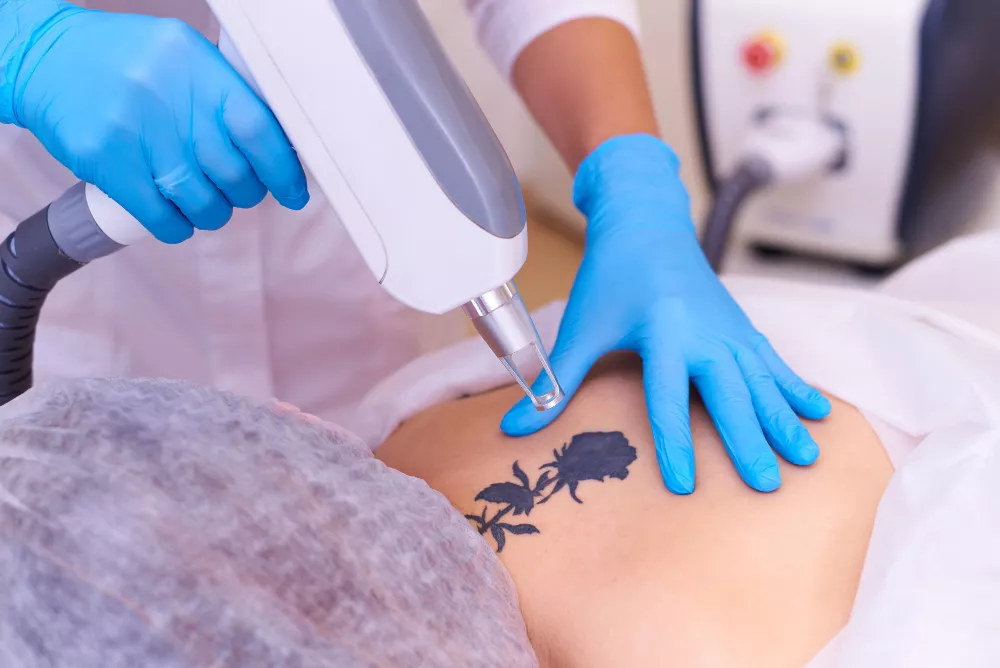
A tattoo that once felt meaningful can, over time, become something you would rather not carry – a name that no longer fits your life, a design that has faded and blurred, or simply a choice you have outgrown. Tattoo removal has become one of the most requested aesthetic procedures precisely because tattoos are no longer seen as permanent – modern laser technology can fade or fully remove ink safely and effectively.
At Navaa Plastic & Cosmetic Surgery, tattoo removal is performed under the supervision of MCh-qualified plastic surgeons using advanced Q-switched and Pico laser technology – the same standard of surgical oversight used for our reconstructive and cosmetic procedures. For small, appropriately positioned tattoos, surgical excision is also available as an alternative that removes the tattoo completely in a single procedure. Every tattoo is different, and the right approach depends on its size, colour, depth, and location.
— Why Choose Us
Why Choose Navaa Plastic and Cosmetic Surgery Clinic for Tattoo Removal in Mumbai?
At Navaa Plastic and Cosmetic Surgery Clinic, we combine surgical precision with aesthetic artistry to achieve refined and natural outcomes.
MCh Plastic Surgeons - Precision Under Specialist Supervision
Tattoo removal at Navaa is performed under the supervision of MCh-qualified plastic and cosmetic surgeons - the highest postgraduate qualification in plastic surgery in India. Most tattoo removal providers in Mumbai are dermatology or medspa clinics operated primarily by technicians. Having an MCh plastic surgeon oversee your treatment means the assessment of your tattoo, your skin, and the most appropriate technique is made with full clinical judgment - including whether laser or surgical removal is genuinely the better option for your specific tattoo.
Q-Switched and Pico Laser Both Available
Different tattoo inks and colours respond differently to different laser technologies. At Navaa, both Q-switched Nd:YAG laser and Pico laser are available. Q-switched laser is highly effective for black, blue, and most dark pigments. Pico laser delivers energy in ultra-short pulses that fragment ink particles more finely, which is particularly useful for stubborn colours and for reducing the number of sessions needed. The right laser - or combination - is chosen based on your specific tattoo.
Surgical Excision - An Option for Small Tattoos
For small tattoos in locations where the surrounding skin allows for a well-concealed scar, surgical excision offers something laser cannot: complete removal in a single procedure. The tattoo is surgically cut out and the skin is closed with fine sutures. This option is not appropriate for every tattoo, but for the right case it avoids the multiple sessions, months, and partial fading that laser removal involves. At Navaa, this option is available and honestly discussed at consultation where clinically appropriate.
Personalised Treatment Planning
The number of sessions, the laser settings, and the realistic outcome for your tattoo depend on its size, ink colours, depth, age, and your skin tone. At Navaa, your treatment plan is based on an honest assessment of your specific tattoo - not a generic protocol or an unrealistic promise of a single-session result.
Located in Andheri, Mumbai
Modern facilities, advanced laser technology and patient-focused care in a convenient Mumbai location. Tattoo removal is a multi-session journey spaced weeks apart - our team supports you with consistent tracking of your progress across the full course.
Our Results Before and After
Tattoo removal before and after results from Navaa - covering laser fading across multiple sessions and surgical excision for small tattoos - are available for review at your consultation. Your surgeon will walk you through cases relevant to your tattoo's size, colour, and location.
— Our Doctors
Meet Our Expert Team
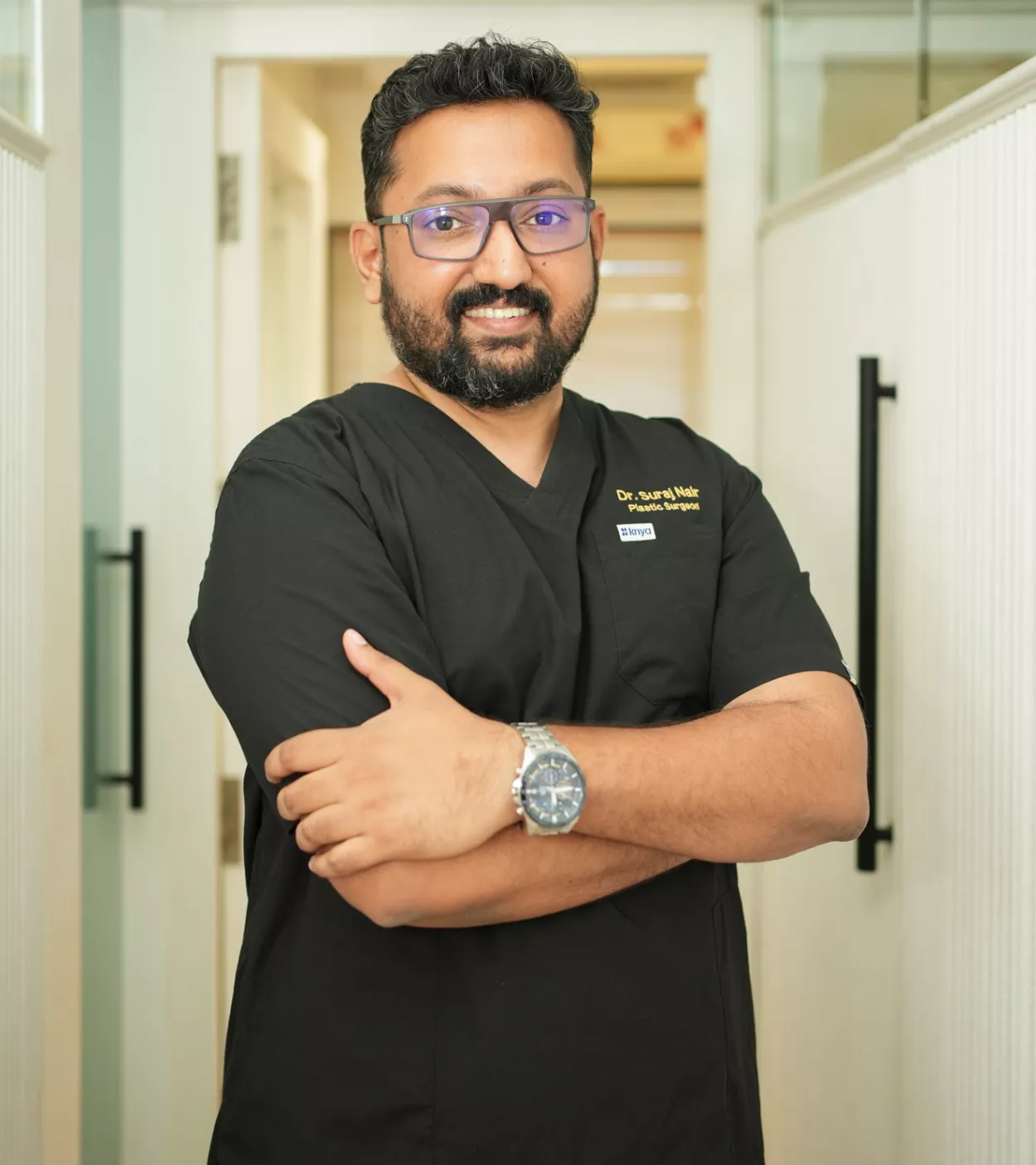
Dr. Suraj Nair
Trained at PGIMER, Chandigarh, Dr. Nair is a highly experienced breast cosmetic surgeon known for performing numerous breast augmentations, reductions, and lifts with natural outcomes.

Dr. Sanket Shetty
M.Ch Plastic Surgeon with international training at Royal Stoke Hospital, UK, experienced in advanced aesthetic and reconstructive surgeries.

Dr. Lukesh Rathod
With over 10 years of experience, Dr. Rathod specializes in minimally invasive aesthetic procedures and advanced skin treatments
Tattoo Removal Options at Navaa
Q-Switched Laser Tattoo Removal
Q-switched Nd:YAG laser is the most established and widely used technology for tattoo removal worldwide. It delivers extremely short, high-energy pulses of laser light that are selectively absorbed by the tattoo ink pigment, shattering it into microscopic particles small enough for the body's immune system to clear naturally over the following weeks. Q-switched laser is highly effective for black and dark blue ink - the most common and most responsive tattoo colours - and is also used for green and red pigments with appropriate wavelength selection. Most tattoos require multiple sessions spaced four to eight weeks apart to allow the body to clear each round of fragmented ink before the next treatment.
Pico Laser Tattoo Removal
Pico laser represents a technological advance over traditional Q-switched systems, delivering energy in picosecond pulses - a fraction of the time of a Q-switched pulse. This ultra-short pulse duration creates a stronger photomechanical effect that fragments ink into smaller particles than Q-switched laser can achieve, particularly for stubborn colours like green, light blue, and multi-coloured or cosmetically applied tattoos that resist standard Q-switched treatment. Pico laser often requires fewer total sessions to achieve the same degree of fading, and produces less heat in the surrounding tissue, which is an important safety consideration for darker skin tones prone to post-treatment pigment changes.
Surgical Excision for Small Tattoos
Customized approach for better results, For small tattoos - generally under 2 to 3cm - located in an area where the surrounding skin has enough laxity to allow a clean closure, surgical excision offers complete removal in a single procedure rather than the multiple sessions and partial fading typical of laser treatment. The tattoo is surgically removed and the skin edges are closed with fine sutures, leaving a linear scar in place of the tattoo. This scar is typically much less visible than the original tattoo and continues to fade over the following months. Surgical excision is not appropriate for large tattoos, tattoos over joints or areas with limited skin laxity, or tattoos in cosmetically sensitive areas where a linear scar would be more noticeable than the faded tattoo. For larger tattoos requiring surgical consideration, staged excision across multiple sessions may be an option. See Scar Revision Surgery in Mumbai for information on how surgical scars are managed and refined at Navaa. Effective for stubborn tattoos
Remove unwanted tattoos safely with advanced tattoo removal treatment in Mumbai.
Take the first step towards clear skin today — Book your consultation with a trusted tattoo removal specialist in Mumbai.
What is Laser Tattoo Removal?
Laser tattoo removal is a non-invasive procedure that uses focused laser light to break down tattoo ink particles embedded in the skin, allowing the body’s own immune system to gradually clear them away. Unlike removing a tattoo surgically, laser treatment does not remove skin – it targets the ink itself, working through the layers of pigment progressively across multiple sessions until the tattoo fades to the desired degree or disappears entirely.
How the Laser Breaks Down Tattoo Ink
When tattoo ink is applied to the skin, it is deposited in the dermis as particles too large for the body to naturally remove. Laser tattoo removal works by delivering intense pulses of light at wavelengths specifically absorbed by the tattoo pigment rather than the surrounding skin. This light energy is absorbed by the ink particles almost instantaneously, causing them to heat and fracture into much smaller fragments. Over the following weeks, the body’s immune cells – macrophages – gradually engulf and clear these smaller fragments through the lymphatic system, causing the tattoo to progressively fade. Because only a portion of the ink is broken down and cleared with each session, tattoos require multiple treatments spaced weeks apart to allow adequate healing and ink clearance between sessions.
How Ink Colour Affects Removal
Not all tattoo colours respond equally well to laser treatment, and understanding this is important for setting realistic expectations. Black and dark blue ink respond best and fastest because these pigments absorb the broadest range of laser wavelengths effectively. Red ink also responds well with the appropriate laser wavelength. Green, light blue, yellow, and white inks are significantly more resistant to laser treatment and often require more sessions, a combination of laser wavelengths, or in some cases do not fade completely. Multi-coloured tattoos, particularly those with cosmetic or fluorescent pigments, are the most challenging and least predictable to treat. Newer tattoos with denser ink deposits and older, more established tattoos both present different considerations that your surgeon will assess at consultation.
Tattoo Removal on Indian Skin - Special Considerations
Indian skin (Fitzpatrick types IV to VI) requires specific laser parameter adjustments for tattoo removal that are not always given adequate attention by providers using standard settings. Darker skin absorbs more laser energy in the surrounding tissue alongside the tattoo ink, increasing the risk of post-inflammatory hyperpigmentation, hypopigmentation (lightening) of the treated area, or textural changes if settings are not carefully calibrated. At Navaa, laser wavelength and fluence settings are specifically adjusted for your skin tone, and a patch test is performed before full treatment to confirm your skin’s individual response before committing to a full treatment course.
Who is the Right Candidate for Tattoo Removal?
Signs You May Benefit From Tattoo Removal
You may be a suitable candidate if:
– You have a tattoo you regret or no longer feel represents you, and want it faded or removed
– You want to remove or fade an old tattoo before getting a new one in the same area (cover-up preparation)
– Your tattoo is affecting professional, social, or personal circumstances
– You are in good general health with no active skin infections in the treatment area
– You are not currently pregnant or breastfeeding
– You are able to commit to a multi-session treatment course spaced weeks apart, as laser tattoo removal is rarely a single-session process
– You have realistic expectations – most tattoos fade significantly or clear well, but some colours and some cases result in visible residual pigment even after a full treatment course
Who Should Be Cautious About Laser Tattoo Removal
– Patients with active skin conditions in the tattooed area – eczema, psoriasis, or active infection – should have these managed before starting treatment
– Patients who tan easily or have very recently sun-exposed the tattooed area may need to wait, as recent tanning increases the risk of pigment changes from laser treatment
– Patients with keloid or hypertrophic scarring tendency should discuss this specifically at consultation, as any skin trauma including laser treatment carries some risk of abnormal scarring in predisposed individuals
– Patients taking certain photosensitising medications should disclose this at consultation, as it may affect the safety of laser treatment
Your surgeon will review your full medical history and skin type at consultation before confirming candidacy and treatment plan.
How Tattoo Removal Works at Navaa - Step by Step
1
Consultation and Tattoo Assessment
Your consultation begins with a thorough examination of your tattoo – its size, ink colours, estimated depth, age, and location, along with an assessment of your skin tone and any relevant medical history. This assessment determines which technique (Q-switched laser, Pico laser, a combination, or surgical excision for suitable small tattoos) is most appropriate, and gives you a realistic estimate of the number of sessions likely required and the expected degree of fading or clearance. Pre-treatment photographs are taken. A complete, transparent cost estimate is provided before any treatment is booked.
2
Patch Test and Preparation
Before your first full treatment session, a small patch test is performed on an inconspicuous area of the tattoo to confirm how your specific skin responds to the laser settings planned for your treatment. This is particularly important for darker skin tones to minimise the risk of pigment changes. You will be given pre-treatment instructions including avoiding sun exposure and tanning of the tattooed area in the weeks before your session.
3
The Procedure
A topical numbing cream may be applied before the session for comfort, particularly for larger tattoos or sensitive areas. The laser handpiece is passed over the tattoo, delivering rapid pulses of light. Most patients describe the sensation as similar to a rubber band snapping against the skin – brief, uncomfortable but tolerable, and over quickly for smaller tattoos. Cooling devices are used throughout to protect the surrounding skin and improve comfort. Session duration ranges from 10 to 30 minutes depending on the size of the tattoo. Immediately after treatment, the area may appear white or frosted briefly, followed by redness and mild swelling. Patients go home the same day with aftercare instructions.
4
Recovery, Aftercare, and Follow-Up
Days 1 to 3: The treated area is red, swollen, and may feel like a mild sunburn. Keep the area clean and dry. Avoid picking at any blistering or scabbing that may develop.
Days 3 to 10: Any blistering or scabbing heals naturally. Apply prescribed healing ointment and keep the area protected from sun exposure with clothing or high-SPF sunscreen once the skin has closed.
Weeks 2 to 4: Initial fading becomes visible as the body clears the fragmented ink from the treated session. Swelling and redness fully resolve.
Weeks 4 to 8: The next session is scheduled once the skin has fully healed and adequate time has passed for ink clearance – typically four to eight weeks between sessions.
Full course: Most tattoos require five to ten sessions for significant fading or removal, depending on ink colours, depth, and size. Progress is documented and reviewed at each visit.
For patients with concerns about pigment changes in the surrounding skin after multiple laser sessions, Skin Pigmentation Treatment in Mumbai addresses any post-treatment pigmentation concerns as part of the overall skin care plan.
Tattoo Removal Cost in Mumbai
The cost of tattoo removal at Navaa depends on the size of the tattoo, the ink colours involved, the number of sessions required, and whether laser or surgical excision is the appropriate approach. A detailed, transparent cost estimate is provided at consultation after the surgeon has assessed your tattoo and confirmed the treatment plan.
Factors That Affect the Cost
– Tattoo size: larger tattoos require more laser passes and longer session time, affecting the per-session cost
– Ink colours: multi-coloured tattoos or tattoos with resistant colours (green, light blue) may require Pico laser or combination approaches that cost more than standard Q-switched treatment
– Number of sessions: the total number of sessions needed – typically five to ten – determines the overall cost of the full treatment course
– Technique: Q-switched laser, Pico laser, and surgical excision each have different per-session or per-procedure cost structures
– Location: tattoos in areas requiring extra care (near the eyes, over joints) may involve additional session time
EMI & Payment Options at Navaa
Navaa offers flexible EMI options through leading financial partners, making a full tattoo removal course accessible without requiring full upfront payment. Our team will discuss the most cost-effective package approach for your specific tattoo at consultation.
Recovery and Results
– Each session takes 10 to 30 minutes depending on tattoo size – no hospital stay required
– Redness and swelling for the first few days after each session – similar to a mild sunburn
– Blistering or scabbing may occur and heals naturally over 7 to 10 days without picking
– Sun protection of the treated area is essential throughout the entire treatment course
– Sessions are spaced four to eight weeks apart to allow the body to clear fragmented ink between treatments
– Progressive fading is visible after each session, with most tattoos requiring five to ten sessions for significant fading or clearance
– Black and dark blue ink respond fastest; green, light blue, and cosmetic pigments may require more sessions or show residual colour
– Surgical excision for appropriate small tattoos produces immediate, complete removal with a linear scar that fades over months
Our Approach to Natural Results
Tattoo removal at Navaa begins with an honest assessment of what your specific tattoo can achieve. We do not promise complete removal in a fixed number of sessions when the ink colours or depth make that unrealistic. We explain clearly which colours respond well and which are more resistant, we patch test on darker skin to minimise the risk of pigment changes, and we tell you honestly when surgical excision would give a better result than a long laser course – or vice versa. The goal is always the most effective, safest path to the result you want, without overselling what is achievable. For a full view of skin treatments at Navaa, explore our Skin Treatments at Navaa.

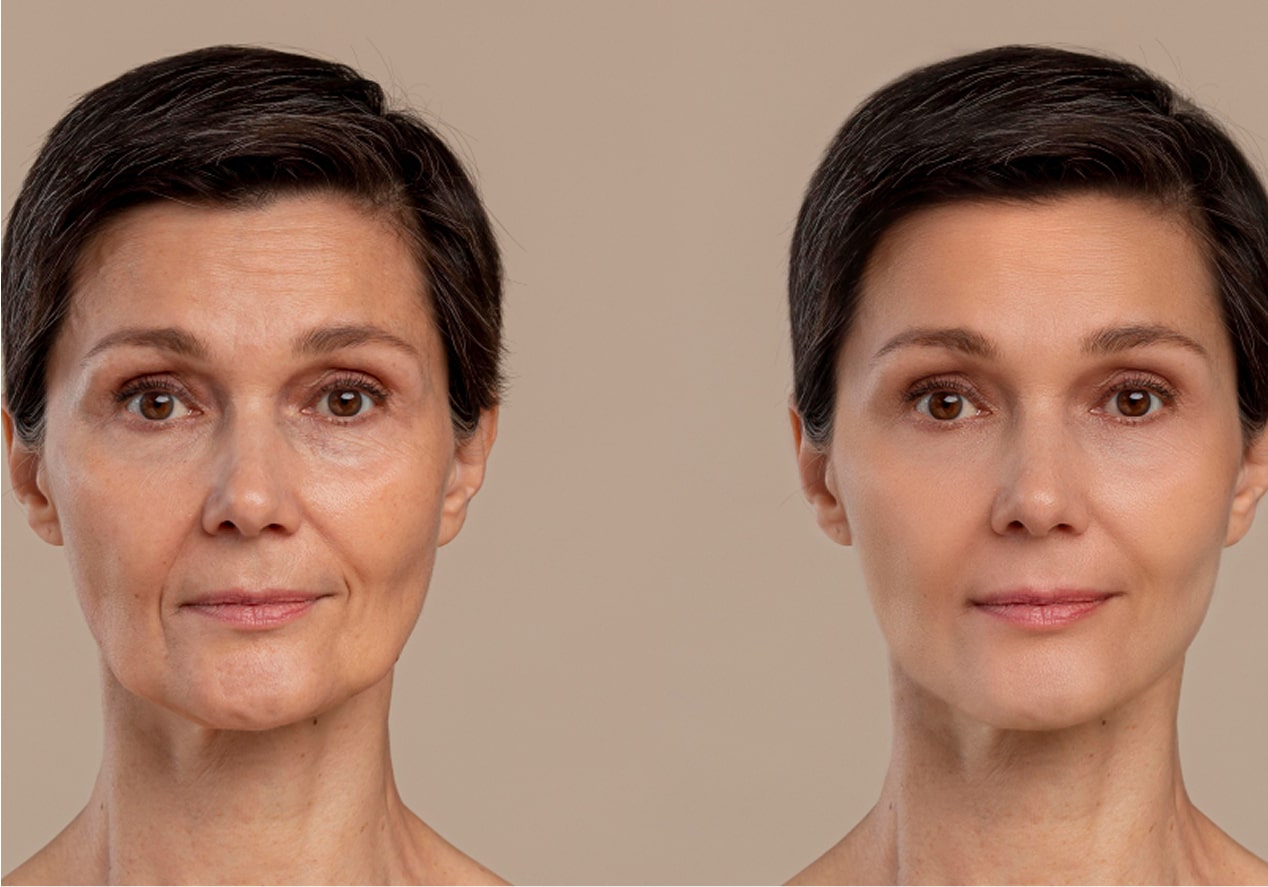

Restore clear skin with expert laser tattoo removal at Navaa.
Take the first step towards removing unwanted tattoos today — Book your consultation with an expert laser tattoo removal doctor in Mumbai.

Visit Best Clinic for tattoo removal in Mumbai.
Navaa Aesthetics – Plastic Surgery Clinics
4th floor, 405, Morya Estate, New Link Rd, opp. Infinity Mall, Veera Desai Industrial Estate, Andheri West, Mumbai
Frequently Asked Questions About Tattoo Removal in Mumbai
Does laser tattoo removal completely remove the tattoo?
How many sessions are needed?
Is laser tattoo removal painful?
Does tattoo removal leave a scar?
Can all tattoo colours be removed?
Is laser tattoo removal safe for darker skin?
Is tattoo removal permanent?
How long should I wait between sessions?
Have More Questions?
Still have questions or need personalised guidance? Our experts are here to help you make informed and confident decisions—every step of the way.
⭐⭐⭐⭐⭐ Rated 4.9/5 by 500+ Patients in Mumbai
Remove unwanted tattoos safely with expert care.
Navaa Plastic and Cosmetic Surgery Clinic, Andheri, Mumbai
Book your consultation today