- Home
- About Us
- Treatments
-
-
- Skin
-
- Face
-
- Breast
- Reconstructive
-
- Body
- Genitalia
- Maxillofacial
-
-
- Doctors
- Blogs
- Gallery
- Contact Us
- Home
- About Us
- Treatments
-
-
- Skin
-
- Face
-
- Breast
- Reconstructive
-
- Body
- Genitalia
- Maxillofacial
-
-
- Doctors
- Blogs
- Gallery
- Contact Us
Dermabrasion Treatment in Mumbai - Skin Resurfacing at Navaa Plastic & Cosmetic Surgery
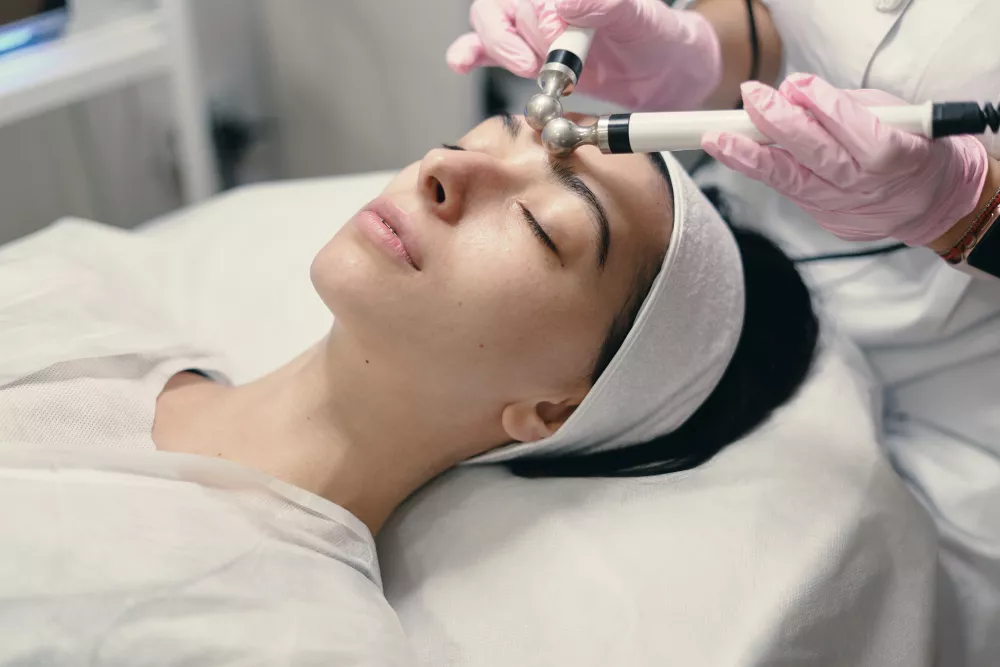
Skin texture concerns – acne scars, fine lines, sun damage, and rough or uneven surface texture – often do not respond adequately to topical creams and serums because the changes involved sit at a deeper level than surface skincare can reach. Dermabrasion is a controlled skin resurfacing technique that mechanically removes the damaged outer layers of skin, revealing smoother, more even-textured skin beneath and stimulating the body’s natural collagen production for lasting improvement.
At Navaa Plastic & Cosmetic Surgery, dermabrasion treatment is performed under the supervision of MCh-qualified plastic surgeons – the highest postgraduate qualification in plastic surgery in India. Because dermabrasion works at a deeper level than simple exfoliation, the precision, depth control, and clinical judgment of a plastic surgeon meaningfully affects both the safety and the quality of your result.
— Why Choose Us
Why Choose Navaa Plastic and Cosmetic Surgery Clinic for Dermabrasion Treatment in Mumbai?
At Navaa Plastic and Cosmetic Surgery Clinic, we combine surgical precision with aesthetic artistry to achieve refined and natural outcomes.
MCh Plastic Surgeons - Precision Skin Resurfacing
Dermabrasion requires careful, even control of depth across the treated area - too superficial and the result is minimal, too deep and the risk of scarring or pigment change increases. At Navaa, every dermabrasion procedure is performed by an MCh-qualified plastic and cosmetic surgeon, the highest postgraduate qualification in plastic surgery in India, ensuring the depth and technique are matched precisely to your skin and your goals.
Multiple Dermabrasion Techniques Available
Diamond-tip dermabrasion, microcrystal dermabrasion, and superficial microdermabrasion are all available at Navaa. The right technique and depth are chosen based on your specific skin concern, sensitivity, and the degree of correction needed - not a single standard approach applied to everyone.
Dermabrasion for Scars, Wrinkles and Tattoo Removal
Dermabrasion at Navaa addresses a genuinely wide range of concerns - acne scars, fine lines and wrinkles, sun-damaged skin, and in appropriate cases, tattoo removal. Rather than a single-purpose treatment, dermabrasion is one tool in a broader skin resurfacing toolkit that your surgeon will match to your specific need.
Personalised Treatment Planning
The type of dermabrasion, the treatment depth, and the number of sessions required depend on your specific skin concern, skin type, and sensitivity. At Navaa, the plan is built around a thorough assessment of your skin, not a fixed protocol.
Located in Andheri, Mumbai
Modern facilities, advanced technology and patient-focused care in a convenient Mumbai location. Dermabrasion recovery requires careful aftercare - our team provides thorough guidance and follow-up throughout your healing.
Our Results Before and After
Dermabrasion before and after results from Navaa - covering acne scar improvement, wrinkle reduction, and skin resurfacing cases - are available for review at your consultation. Your surgeon will walk you through cases relevant to your specific skin concern.
— Our Doctors
Meet Our Expert Team
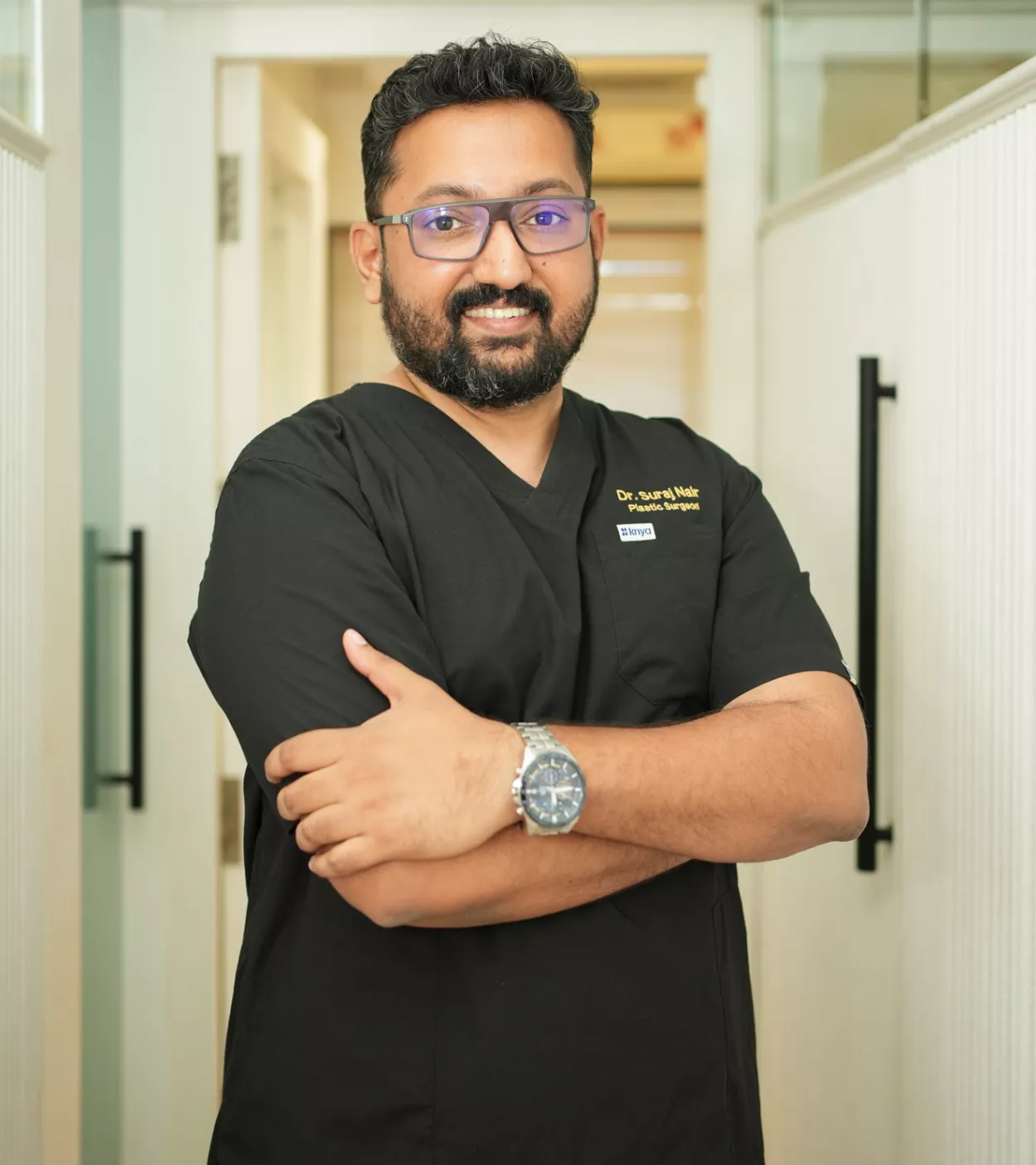
Dr. Suraj Nair
Trained at PGIMER, Chandigarh, Dr. Nair is a highly experienced breast cosmetic surgeon known for performing numerous breast augmentations, reductions, and lifts with natural outcomes.

Dr. Sanket Shetty
M.Ch Plastic Surgeon with international training at Royal Stoke Hospital, UK, experienced in advanced aesthetic and reconstructive surgeries.

Dr. Lukesh Rathod
With over 10 years of experience, Dr. Rathod specializes in minimally invasive aesthetic procedures and advanced skin treatments
Types of Dermabrasion at Navaa
Diamond-Tip Dermabrasion
Diamond-tip dermabrasion uses a handheld device with a diamond-coated tip that gently but precisely exfoliates the skin surface. The diamond tip provides controlled, even exfoliation with less risk of irritation than older sandpaper-based methods, making it suitable for treating fine lines, mild to moderate acne scars, and general texture improvement. It is particularly well-suited to more sensitive skin because the depth of abrasion can be finely controlled by the surgeon.
Microcrystal Dermabrasion
Microcrystal dermabrasion uses a device that sprays fine, medical-grade crystals (typically aluminium oxide) across the skin surface, which abrade the outermost dead skin cells. A vacuum suction system simultaneously removes the used crystals along with the exfoliated skin debris. This technique is effective for improving skin texture, reducing the appearance of superficial pigmentation, and preparing the skin for better absorption of topical treatments. It is a popular, well-tolerated option for general skin resurfacing.
Microdermabrasion (Superficial Exfoliation)
Microdermabrasion is a gentler, more superficial form of skin resurfacing that removes only the very outermost layer of dead skin cells, without penetrating as deeply as classic dermabrasion. It is a quick, minimal-downtime procedure suitable for improving skin radiance, reducing the appearance of fine lines, softening superficial pigmentation, and refining pore appearance. Because it works only at the surface, microdermabrasion is appropriate for milder concerns and as a maintenance treatment, while deeper concerns such as significant acne scarring typically require the more substantial depth of classic dermabrasion.
Dermabrasion vs Microdermabrasion - What is the Difference?
Dermabrasion is a more invasive procedure that removes the epidermis and a portion of the underlying dermis. It is performed under local anaesthesia, involves a genuine recovery period, and is used for deeper concerns - significant acne scarring, deep wrinkles, and more substantial skin resurfacing needs. Results are more dramatic and longer-lasting because the treatment works at a deeper tissue level. Microdermabrasion is a minor, non-invasive procedure that exfoliates only the outermost layer of dead skin cells. It requires no anaesthesia, has essentially no downtime, and is appropriate for mild texture improvement, superficial pigmentation, and general skin radiance maintenance. It does not address deep scarring or significant wrinkles. In short: dermabrasion is a clinical procedure for meaningful skin resurfacing; microdermabrasion is a light maintenance treatment for surface refinement. Your surgeon will confirm which is appropriate for your specific concern at consultation.
Improve skin texture and reduce imperfections with advanced dermabrasion treatment in Mumbai.
Take the first step towards smoother skin today — Book your consultation with a trusted dermabrasion specialist in Mumbai.
What Dermabrasion Treats
Dermabrasion addresses a genuinely wide range of skin surface concerns. At Navaa, the technique and depth are matched to the specific condition being treated.
Dermabrasion for Acne Scars
Dermabrasion is one of the established treatments for acne scarring, particularly raised or indented (icepick and boxcar) scars. The rotating abrasive tip removes the outer layers of skin including the scarred tissue, in a process sometimes called “sanding,” which smooths the skin surface and reduces the visible depth of the scars. By removing the damaged skin, dermabrasion triggers the body’s natural healing response and new collagen production, which continues to improve skin texture for months after the procedure. Dermabrasion is often combined with other acne scar treatments for a more comprehensive result. See Acne Scar Treatment in Mumbai for the full range of scar treatment options at Navaa.
Dermabrasion for Fine Lines and Wrinkles
Dermabrasion addresses fine lines and wrinkles by removing the epidermis and a portion of the dermis, which stimulates the skin’s natural wound-healing response and new collagen production. As the skin heals and remodels, it produces fresh collagen that smooths out fine lines and softens the appearance of deeper wrinkles. Dermabrasion is effective for wrinkles caused by natural ageing as well as those caused by cumulative sun damage, and is particularly useful around the mouth and other areas where fine lines are prominent.
Dermabrasion for Tattoo Removal
Dermabrasion can be used as an alternative or adjunct approach to tattoo removal, working by mechanically removing the outer layers of skin where the tattoo ink pigment resides. This creates a controlled wound that heals to reveal new, ink-free skin beneath. This approach must only be performed by a qualified plastic surgeon, as it creates an open wound requiring precise technique and careful aftercare. Dermabrasion for tattoo removal is generally considered for specific cases and is often used alongside laser tattoo removal as part of a combination approach for stubborn or resistant tattoos. See Tattoo Removal in Mumbai for the full range of tattoo removal options at Navaa, including our primary laser-based approach.
Dermabrasion for Sun Damage and Pigmentation
Chronic sun exposure causes cumulative skin damage – uneven texture, superficial pigmentation, and a rough or leathery skin quality. Dermabrasion resurfaces these sun-damaged outer layers, revealing smoother, more evenly toned skin beneath, and the collagen stimulation from the healing process further improves skin quality over the following months. For patients whose primary concern is pigmentation rather than texture, dermabrasion may be used alongside other targeted pigmentation treatments. See Skin Pigmentation Treatment in Mumbai for the full range of pigmentation treatment options at Navaa.
What is Dermabrasion?
Dermabrasion is a skin resurfacing procedure that uses a rotating or mechanical abrasive instrument to precisely remove the outer layers of skin – the epidermis and a portion of the underlying dermis. As the skin heals from this controlled injury, it regenerates with a smoother texture and produces new collagen, improving both the surface appearance and the underlying structural quality of the skin over the following months.
How Dermabrasion Works - The Skin Renewal Process
The skin has a natural capacity to heal and regenerate after controlled injury – this is the biological principle behind dermabrasion. By carefully removing the damaged or textured outer skin layers, dermabrasion triggers a wound-healing cascade: inflammation, followed by new tissue formation, followed by remodelling. During the remodelling phase, fibroblasts in the dermis produce new collagen and elastin, which continues to improve skin texture, tone, and firmness for several months after the visible healing is complete. This is why dermabrasion results continue to improve well beyond the initial recovery period.
Dermabrasion vs Laser Resurfacing - Which is Right for You?
Dermabrasion works mechanically, physically removing the skin surface with a rotating abrasive tool. It is particularly effective for certain types of raised or textured scarring and deep wrinkles, and the surgeon has direct tactile feedback during the procedure, allowing fine adjustment of depth in real time based on the actual skin response.
Laser resurfacing works with focused light energy, which can be precisely calibrated for depth and is often gentler on surrounding tissue, with generally more predictable and controllable outcomes, particularly for pigmentation-related concerns. Laser technology also offers more precise targeting for smaller, specific areas.
Neither is universally superior – each has particular strengths for particular concerns. Dermabrasion is often preferred for deeper, more textured scarring where mechanical removal gives a more substantial result. Laser is often preferred for pigmentation concerns and for patients wanting more predictable, calibrated depth control. Your surgeon will recommend the most appropriate approach – or a combination of both – for your specific skin concern at consultation.
Who is the Right Candidate for Dermabrasion?
Signs You May Benefit From Dermabrasion
You may be a suitable candidate if:
– You have raised or indented acne scars that affect your skin texture and confidence
– You have fine lines or wrinkles, including those caused by sun damage, that have not improved with topical treatments
– You have rough, uneven skin texture from cumulative sun exposure
– You are considering tattoo removal and have discussed dermabrasion as part of a combination approach with your surgeon
– You are in good general health with no active skin infections in the treatment area
– You are not currently pregnant or breastfeeding
– You have realistic expectations about the degree of improvement achievable and are willing to follow the recovery and sun protection protocol carefully
Who Should Avoid Dermabrasion
– Patients with active acne breakouts – active inflammatory acne should be controlled before dermabrasion is performed
– Patients with a history of keloid or hypertrophic scarring, who carry a higher risk of abnormal healing from any skin trauma
– Patients who have taken oral isotretinoin (a common acne medication) within the past six to twelve months, as this significantly impairs skin healing
– Patients with active skin infections, cold sores, or inflammatory skin conditions in the treatment area
– Patients with very dark skin tones may carry a higher risk of post-treatment pigment changes and require careful technique adjustment – this is assessed individually at consultation, not automatically excluded
Your surgeon will review your full medical history and skin condition at consultation before confirming candidacy.
How Dermabrasion Works at Navaa - Step by Step
Consultation and Skin Assessment
Your consultation begins with a thorough assessment of your skin concern – the type and depth of scarring, wrinkles, or texture irregularity, your skin type, and your overall skin health. Your surgeon will confirm the most appropriate dermabrasion type and depth, discuss whether dermabrasion alone or in combination with other treatments is the best approach, and set realistic expectations about the degree of improvement achievable. A complete cost estimate is provided before any treatment is booked.
Anaesthesia and Preparation
For classic dermabrasion, the treatment area is thoroughly cleansed and a local anaesthetic is applied to numb the skin – the procedure is performed comfortably without general anaesthesia in most cases. For microdermabrasion, no anaesthesia is required as the treatment is superficial and well-tolerated. Pre-treatment instructions typically include avoiding sun exposure and certain skincare actives in the days before your session.
The Procedure
A specialised dermabrasion device with a diamond-tip or microcrystal applicator is used to carefully and evenly remove the outer skin layers across the treatment area. The surgeon controls the depth and pressure throughout, working systematically to ensure even, consistent resurfacing. For classic dermabrasion, the procedure typically takes 30 to 60 minutes depending on the area treated. For microdermabrasion, sessions are shorter, typically 20 to 40 minutes. Patients go home the same day.
Recovery, Aftercare, and Follow-Up
Days 1 to 5: For classic dermabrasion, the treated skin is raw, pink, and sensitive, similar to a graze or abrasion. Protective bandages and healing ointment are applied. Keep the area clean and protected from sun exposure. Microdermabrasion patients experience only mild, temporary redness with minimal downtime.
Days 5 to 10: New skin forms over the treated area. Redness gradually settles to a pink tone. Avoid picking at any healing skin. Gentle, fragrance-free skincare only.
Weeks 2 to 4: The pink tone continues to fade toward your normal skin colour. Strict sun protection (SPF 50+) is essential during this period, as newly resurfaced skin is particularly vulnerable to pigment changes from UV exposure.
Month 1 to 6: Collagen remodelling continues progressively, with skin texture and tone improving over this period. Full results are typically assessed at three to six months as the collagen response matures.
Dermabrasion Treatment Cost in Mumbai
The cost of dermabrasion treatment at Navaa depends on the type of dermabrasion, the area being treated, the depth of treatment, and the number of sessions required. A detailed, transparent cost estimate is provided at consultation after the surgeon has assessed your skin and confirmed the treatment plan.
Factors That Affect the Cost
– Type of dermabrasion: classic diamond-tip or microcrystal dermabrasion has a different cost structure from superficial microdermabrasion
– Area treated: the size of the area being resurfaced affects operative time and cost
– Depth of treatment: deeper resurfacing for significant scarring requires more extensive treatment than superficial texture improvement
– Number of sessions: microdermabrasion for maintenance may involve a series of shorter sessions; classic dermabrasion for scarring may be a single more extensive session or a smaller staged series
– Combination treatments: dermabrasion combined with other skin treatments affects the overall plan cost
EMI & Payment Options at Navaa
Navaa offers flexible EMI options through leading financial partners, making dermabrasion treatment accessible without requiring the full cost upfront. Our team will discuss payment options at consultation.
Recovery and Results
– Classic dermabrasion recovery involves 7 to 10 days of visible healing, similar to a graze or abrasion
– Microdermabrasion has essentially no downtime – most patients resume normal activities immediately
– Strict sun protection (SPF 50+) is essential during recovery and for several months afterward, as resurfaced skin is particularly vulnerable to pigment changes
– Initial pink tone after classic dermabrasion fades progressively over 2 to 4 weeks
– Collagen remodelling continues for 3 to 6 months after the procedure, with skin texture and tone improving progressively over this period
– Results from classic dermabrasion for scarring and wrinkles are long-lasting, particularly when combined with good sun protection
– Microdermabrasion results are more temporary and typically require periodic maintenance sessions for sustained improvement
Our Approach to Natural Results
Dermabrasion at Navaa begins with matching the right technique and depth to your actual skin concern – not applying the same protocol to every patient regardless of what they need. For mild texture concerns, we recommend microdermabrasion rather than a more invasive procedure that would not add meaningful benefit. For significant acne scarring or deep wrinkles, we use the appropriate depth of classic dermabrasion to achieve a genuine improvement. We are equally honest when dermabrasion is not the right tool – recommending laser resurfacing or another approach when it would serve you better. For a full view of skin treatments at Navaa, explore our Skin Treatments at Navaa.

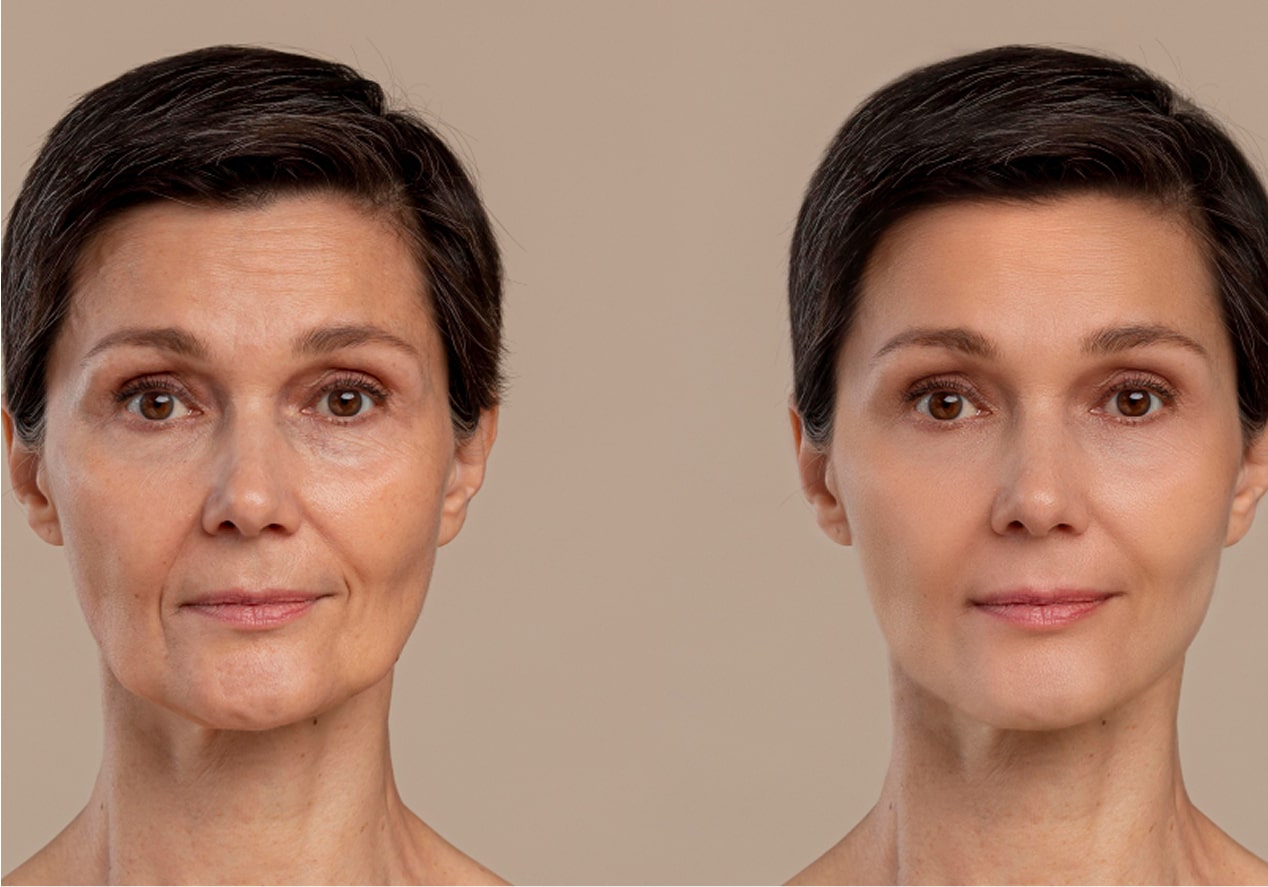
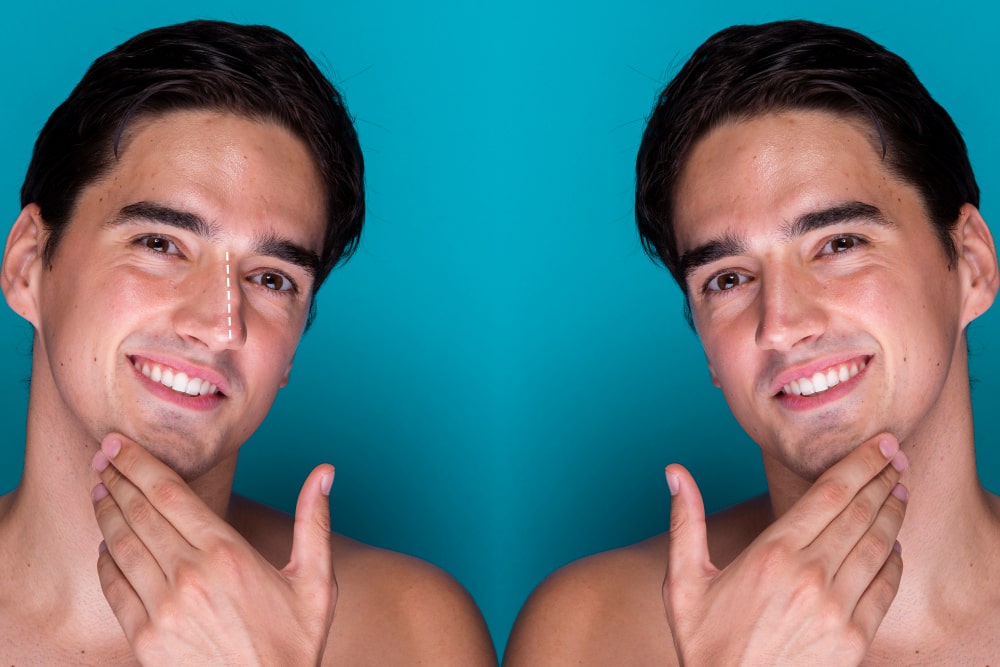
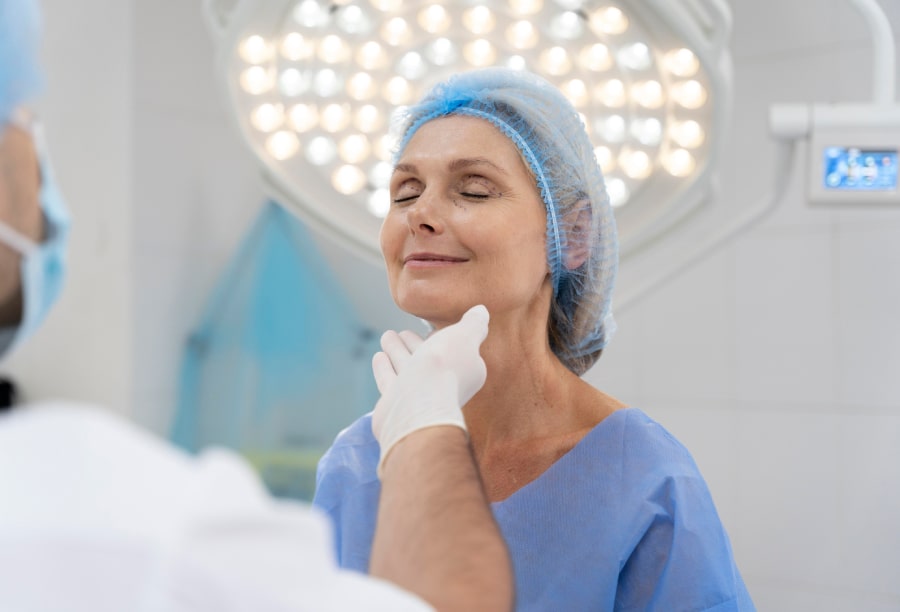
Achieve smoother, clearer skin with expert dermabrasion at Navaa.
Take the first step towards skin resurfacing today — Book your consultation with an expert dermabrasion treatment provider in Mumbai.

Visit Best Clinic for dermabrasion in Mumbai.
Navaa Aesthetics – Plastic Surgery Clinics
4th floor, 405, Morya Estate, New Link Rd, opp. Infinity Mall, Veera Desai Industrial Estate, Andheri West, Mumbai
FAQs – Dermabrasion Treatment in Mumbai
How much does dermabrasion cost in Mumbai?
How long do dermabrasion results last?
Is dermabrasion better than laser?
Neither is universally better - they work through different mechanisms and each has particular strengths. Dermabrasion is often preferred for deeper, more textured scarring where mechanical removal and the surgeon's direct tactile control give a strong result. Laser resurfacing offers more precise, calibrated depth control and is often preferred for pigmentation-related concerns. Your surgeon will recommend the most appropriate option - or a combination - for your specific skin concern at consultation.
Does dermabrasion work for acne scars?
What layers of skin does dermabrasion remove?
Is dermabrasion painful?
How many sessions of dermabrasion are needed?
Can dermabrasion be used for tattoo removal?
Have More Questions?
Still have questions or need personalised guidance? Our experts are here to help you make informed and confident decisions—every step of the way.
⭐⭐⭐⭐⭐ Rated 4.9/5 by 500+ Patients in Mumbai
Achieve smoother and healthier skin with expert dermabrasion treatment.
Navaa Plastic and Cosmetic Surgery Clinic, Andheri, Mumbai
Book your consultation today