- Home
- About Us
- Treatments
-
-
- Skin
-
- Face
-
- Breast
- Reconstructive
-
- Body
- Genitalia
- Maxillofacial
-
-
- Doctors
- Blogs
- Gallery
- Contact Us
- Home
- About Us
- Treatments
-
-
- Skin
-
- Face
-
- Breast
- Reconstructive
-
- Body
- Genitalia
- Maxillofacial
-
-
- Doctors
- Blogs
- Gallery
- Contact Us
Ingrown Toenail Treatment in Mumbai - Painless Surgery at Navaa Plastic & Cosmetic Surgery
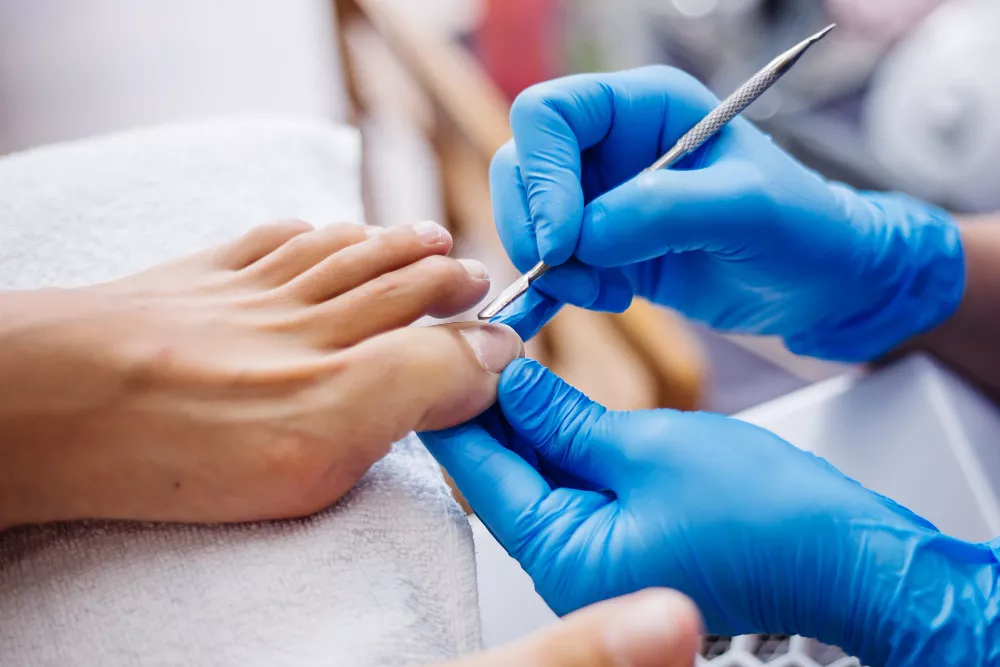
An ingrown toenail – medically called onychocryptosis – starts small: a slightly tender edge of the big toe where the nail digs into the surrounding skin. Left alone, it rarely stays small. Redness turns to swelling, swelling turns to infection, and a nail problem that could have been resolved in a single fifteen-minute procedure becomes a recurring source of pain that affects every step you take.
At Navaa Plastic & Cosmetic Surgery, ingrown toenail treatment is performed by MCh-qualified plastic surgeons using the same precision and sterile surgical standards applied to every procedure at our clinic – because even a “minor” procedure on the toe carries real risk of infection, deformity, or recurrence if not done correctly the first time. Our focus is not simply removing the painful edge of the nail, but treating the underlying cause so the problem does not return.
— Why Choose Us
Why Choose Navaa Plastic and Cosmetic Surgery Clinic for Ingrown Toenail Treatment in Mumbai?
At Navaa Plastic and Cosmetic Surgery Clinic, we combine surgical precision with genuine care for every patient, regardless of how small the procedure may seem.
MCh Plastic Surgeons – Expert Care
Ingrown toenail surgery requires precise technique and surgical judgment. At Navaa, MCh-qualified plastic surgeons provide specialised care tailored to each patient.
Full Range of Surgical Techniques Available
Treatment options include partial nail avulsion, wedge resection, chemical matricectomy, and total nail avulsion. The technique is selected based on your condition and recurrence risk.
Diabetic Patients Treated with Extra Care
Diabetic patients may have a higher risk of complications. At Navaa, they receive careful assessment, appropriate treatment, and additional follow-up when needed.
Lower Recurrence with the Right Technique
For recurrent ingrown toenails, treatment focuses on addressing the underlying nail root rather than simply trimming the nail edge, helping reduce recurrence.
Located in Andheri, Mumbai
Modern, fully equipped facilities in Andheri, Mumbai, with convenient treatment and clear aftercare guidance for a smooth recovery.
Our Results Before and After
Before-and-after results from ingrown toenail treatments are available for review during your consultation.
— Our Doctors
Meet Our Expert Team
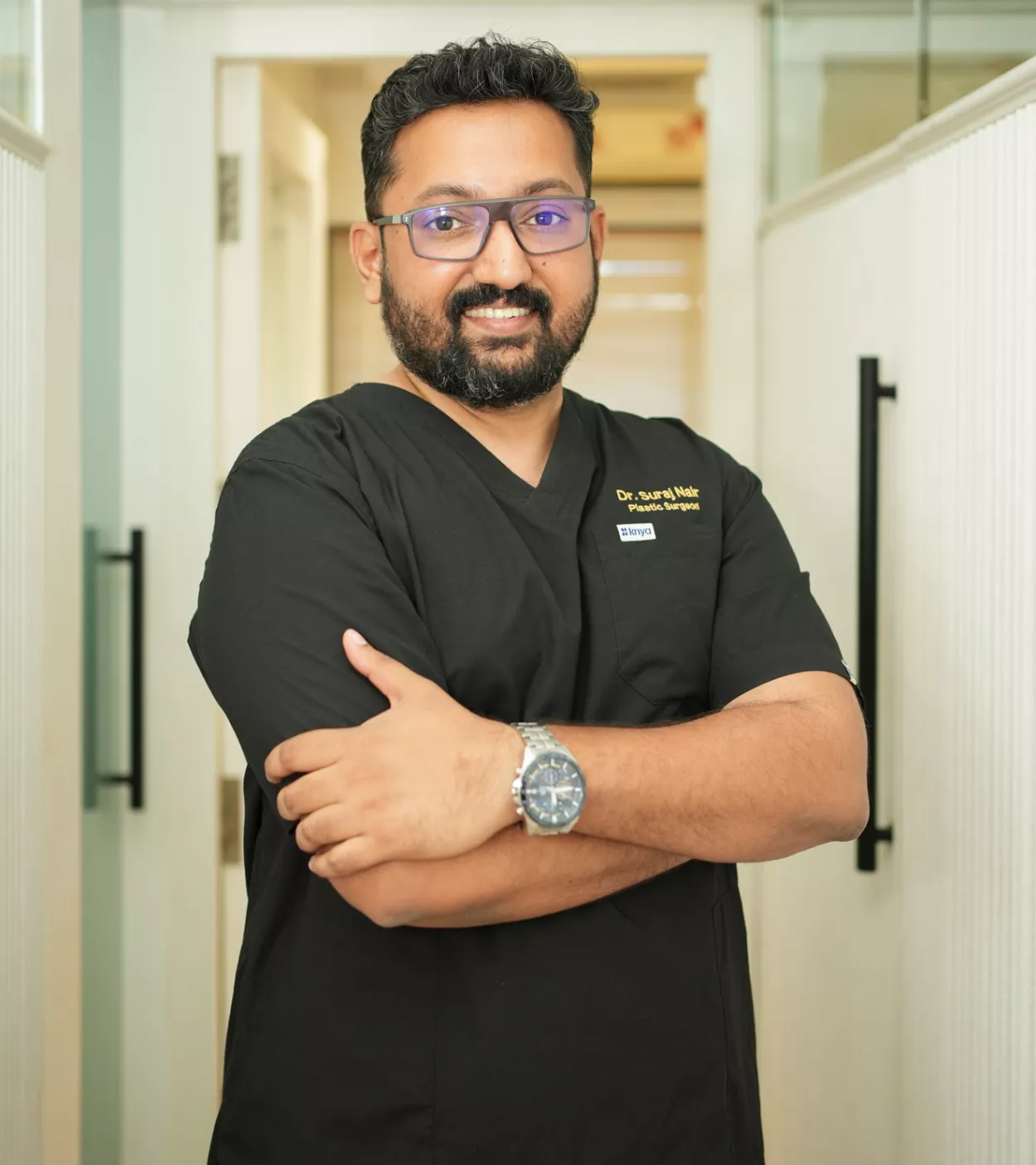
Dr. Suraj Nair
Trained at PGIMER, Chandigarh, Dr. Nair is a highly experienced breast cosmetic surgeon known for performing numerous breast augmentations, reductions, and lifts with natural outcomes.

Dr. Sanket Shetty
M.Ch Plastic Surgeon with international training at Royal Stoke Hospital, UK, experienced in advanced aesthetic and reconstructive surgeries.

Dr. Lukesh Rathod
With over 10 years of experience, Dr. Rathod specializes in minimally invasive aesthetic procedures and advanced skin treatments
Stages of an Ingrown Toenail
Early Irritation
At this stage, the nail edge presses into the skin, causing tenderness, mild redness, and swelling. Early care may help prevent the condition from worsening.
Infection and Pus
As the nail breaks the skin, infection may develop, causing pain, pus, redness, and swelling. Medical evaluation may be needed, with treatment depending on the severity.
Chronic Inflammation & Overgrown Tissue
Repeated irritation can cause persistent inflammation and excess tissue around the nail. At this stage, the condition may require professional treatment to prevent ongoing symptoms.
Recurrent or Severe Ingrown Toenail
Persistent or recurring ingrown toenails may cause ongoing pain, swelling, infection, or excess tissue growth. At this stage, professional assessment is recommended to determine the most appropriate treatment.
Get relief from pain and infection with expert ingrown toenail treatment in Mumbai.
Take the first step towards pain relief today — Book your consultation with a trusted ingrown toenail specialist in Mumbai.
Ingrown Toenail Treatment Options at Navaa
The right treatment depends on the stage of the ingrown toenail, whether it is a first occurrence or a recurrence, and the degree of infection present. At Navaa, the appropriate option is determined after a direct assessment – not assumed in advance.
Nose Straightening Surgery - Correcting a Crooked or Deviated Nose
For genuinely early-stage cases (Stage 1), conservative measures – warm saline soaks, correct nail trimming technique, wider or open footwear to reduce pressure, and topical antibiotic care if very mild irritation is present – can resolve the problem without surgery. However, these measures only work by allowing the nail to grow out of the skin naturally, and they are not effective once infection, pus, or overgrown tissue has developed. Relying on home remedies at this later stage typically only delays effective treatment while the problem worsens.
Partial Nail Avulsion (PNA)
Partial nail avulsion is the most commonly performed surgical procedure for an ingrown toenail. Under local anaesthesia, the ingrown edge or corner of the nail is carefully removed, along with any affected tissue, while the majority of the nail is left intact. This is a quick day-care procedure that provides immediate relief from the pressure and pain of the ingrown edge.
Wedge Resection
Wedge resection removes a slightly larger wedge-shaped section of the nail along with a portion of the underlying nail bed on the affected side. This is typically chosen for more established or moderately recurrent cases where partial nail avulsion alone may not adequately address the problem.
Chemical Matricectomy - Why This Prevents Recurrence
For recurrent ingrown toenails, the underlying issue is usually that only the visible nail edge was removed in previous treatments, while the nail matrix – the root tissue beneath the skin at the base of the nail that actually produces new nail growth on that side – was left untouched and simply grew the problem back. Chemical matricectomy addresses this directly: after removing the problematic nail edge, a chemical agent (commonly phenol) is carefully applied to permanently destroy the small portion of nail matrix responsible for producing that ingrown section, so it does not regrow. This is the technique most associated with genuinely low, long-term recurrence rates.
Total Nail Avulsion (TNA)
Total nail avulsion removes the entire nail plate and is reserved for severe, deeply infected, or significantly deformed cases where partial correction would not adequately resolve the problem. Recovery and full nail regrowth after total nail avulsion takes considerably longer than partial procedures, which is why it is used only when genuinely necessary rather than as a routine first option.
What Causes an Ingrown Toenail?
Common Causes
– Cutting toenails too short or rounding the corners instead of trimming straight across
– Wearing tight, narrow, or ill-fitting footwear that presses the toes together
– A naturally curved nail shape, which some people are simply predisposed to
– Injury or trauma to the toe or toenail
– Poor foot hygiene combined with prolonged moisture, which softens the skin around the nail
– Genetic predisposition – some families see this condition recur across multiple members
Why Recurrence Happens - Trimming the Edge vs Treating the Root
This is the single most important thing to understand if you have had an ingrown toenail treated before and it came back. Simply trimming or cutting away the painful edge of the nail – whether done at home or in a basic in-clinic procedure – only removes the visible symptom. The nail matrix beneath the skin, which continues to produce nail growth in exactly the same curved or ingrown pattern, is left completely untouched. As the nail regrows over the following weeks, it grows back in the same problematic direction, and the cycle repeats. This is precisely why permanent techniques like chemical matricectomy – which address the nail matrix itself, not just the visible nail edge – are the appropriate choice for anyone with a genuinely recurrent ingrown toenail.
Who Needs Surgical Treatment?
When Home Care is Enough
Genuinely early-stage irritation – mild tenderness and redness with no pus or significant swelling – can often be managed with warm soaks, careful nail trimming, and wider footwear, provided it is addressed promptly and shows clear improvement within a few days.
When to See a Surgeon
You should seek professional evaluation if there is persistent pain, visible pus or discharge, spreading redness or swelling, bleeding, or if the problem keeps returning despite home care. Waiting through worsening symptoms in the hope they will resolve on their own typically only allows infection to progress and makes eventual treatment more involved than it would have been with earlier intervention.
Special Considerations for Diabetic Patients
Diabetic patients should never attempt to self-treat an ingrown toenail and should seek professional care at the earliest sign of a problem. Reduced circulation and slower wound healing associated with diabetes mean that even a minor nail infection can progress more seriously and more quickly than it would in a non-diabetic patient. If diabetes has already affected your foot health more broadly, see Diabetic Foot Ulcer Treatment in Mumbai for more on comprehensive diabetic foot care at Navaa.
How Ingrown Toenail Treatment Works at Navaa - Step by Step
Assessment
Your surgeon examines the affected nail and determines the most appropriate treatment based on its severity, recurrence, and condition. Options may include partial nail avulsion, wedge resection, matricectomy, or total nail avulsion.
Local Anaesthesia
A local anaesthetic is administered to numb the toe before treatment. Once the area is numb, the procedure can be performed comfortably.
The Procedure
The affected portion of the nail is carefully removed using the selected technique. If a matricectomy is required, the nail matrix is treated to help prevent regrowth. Any infected or excess tissue may also be addressed.
Recovery and Follow-Up
Mild tenderness and swelling are common during the first few days. Keep the dressing clean and follow your surgeon’s aftercare instructions. Most patients gradually return to normal activities as healing progresses, with follow-up based on the procedure performed.
Ingrown Toenail Treatment Cost in Mumbai
The cost of ingrown toenail treatment at Navaa depends on the technique required, the severity of the case, and whether infection or previous recurrence is involved. A detailed, transparent cost estimate is provided at consultation after a direct assessment.
Factors That Affect the Cost
– Technique: partial nail avulsion, wedge resection, matricectomy, and total nail avulsion each have different levels of complexity and cost
– Severity: an infected or heavily overgrown case requires more extensive treatment than a straightforward early case
– Number of sides or toes affected: bilateral or multi-toe involvement adds to the overall cost
– Follow-up care: dressing changes and review appointments are factored into the overall treatment plan
Insurance and Payment Options at Navaa
Ingrown toenail treatment is typically a minor outpatient procedure and is generally not covered by health insurance in India, as it does not usually meet the threshold for a major medical claim. In cases of severe, spreading infection requiring more extensive surgical management, coverage may apply – our team can advise on your specific situation. Flexible payment options are available through Navaa for costs not covered by insurance.
Recovery and Results
– Performed under local anaesthesia only – no general anaesthesia required, and you can walk immediately after the procedure
– Procedure itself takes fifteen to thirty minutes
– Most patients return to desk-based work within two to three days
– Full healing for partial procedures typically takes two to three weeks; total nail avulsion takes six to ten weeks
– When matricectomy is performed correctly, recurrence rates are low – genuinely addressing the nail matrix, not just the visible symptom
– Infection risk with proper technique and aftercare is low
– The treated toe generally looks natural once fully healed, even where a portion of the nail has been permanently narrowed
In the rare case of a keloid or hypertrophic scar forming at the surgical site, particularly in patients predisposed to abnormal scarring, this can be addressed separately – see Scar Revision Surgery in Mumbai for more on scar management at Navaa.
Our Approach to Lasting Results
At Navaa, we treat ingrown toenail surgery with the same seriousness and precision as any other procedure we perform – because a rushed or incomplete approach is exactly why so many patients experience repeat problems after treatment elsewhere. We take the time to identify whether this is a first occurrence suited to a simpler procedure, or a genuinely recurrent case that needs the nail matrix itself addressed to break the cycle for good. Our goal is not just relief from today’s pain, but a result that lasts. For a full view of reconstructive treatments at Navaa, explore our Reconstructive Treatments at Navaa.


Restore nail health with safe and effective ingrown toenail removal at Navaa.
Take the first step towards healthy nails today — Book your consultation with an expert ingrown nail treatment doctor in Mumbai.

Visit Best Clinic for ingrown toenail treatment in Mumbai.
Navaa Aesthetics – Plastic Surgery Clinics
4th floor, 405, Morya Estate, New Link Rd, opp. Infinity Mall, Veera Desai Industrial Estate, Andheri West, Mumbai
Frequently Asked Questions About Ingrown Toenail Treatment in Mumbai
What is the fastest way to heal an ingrown toenail?
Is ingrown toenail surgery painful?
Will my toenail grow back after surgery?
How long is recovery after ingrown toenail surgery?
Is ingrown toenail treatment covered by insurance?
Can diabetics get ingrown toenail surgery?
What happens if an ingrown toenail is left untreated?
Can ingrown toenails come back after surgery?
Have More Questions?
Still have questions or need personalised guidance? Our experts are here to help you make informed and confident decisions—every step of the way.
⭐⭐⭐⭐⭐ Rated 4.9/5 by 500+ Patients in Mumbai
Get relief from pain with expert ingrown toenail treatment.
Navaa Plastic and Cosmetic Surgery Clinic, Andheri, Mumbai
Book your consultation today