- Home
- About Us
- Treatments
-
-
- Skin
-
- Face
-
- Breast
- Reconstructive
-
- Body
- Genitalia
- Maxillofacial
-
-
- Doctors
- Blogs
- Gallery
- Contact Us
- Home
- About Us
- Treatments
-
-
- Skin
-
- Face
-
- Breast
- Reconstructive
-
- Body
- Genitalia
- Maxillofacial
-
-
- Doctors
- Blogs
- Gallery
- Contact Us
Fat Grafting Treatment in Mumbai – Facial Fat Transfer & Volume Restoration at Navaa Plastic & Cosmetic Surgery
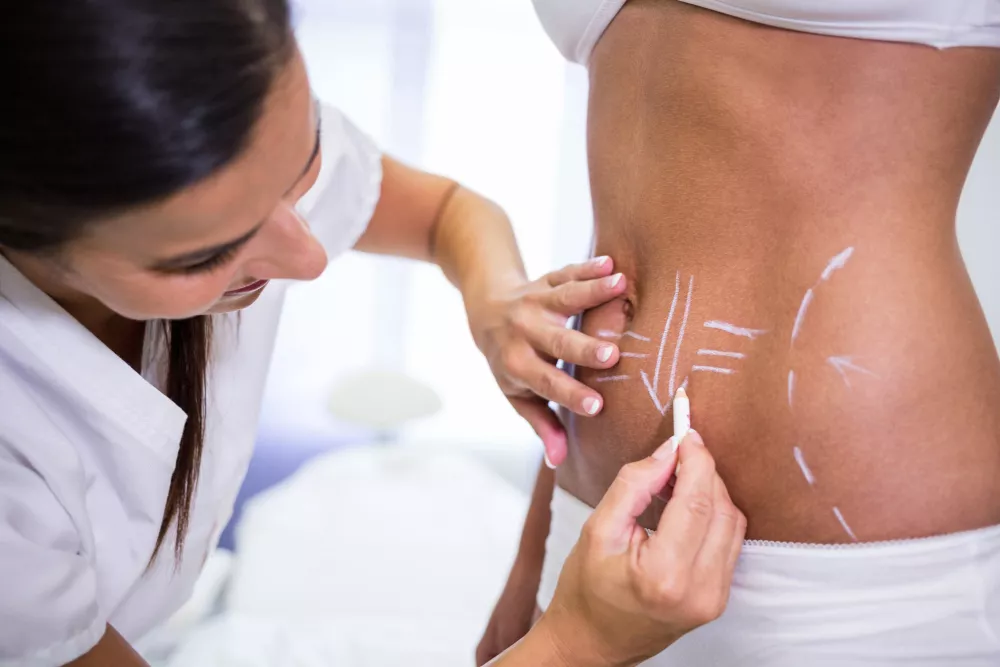
As we age, the face loses fat — quietly and gradually. The fullness of the cheeks in your twenties flattens. The area under the eyes develops a hollow. The temples lose their roundness. These changes make the face look tired, drawn, or older than it feels. They are not about wrinkles — they are about volume loss. And no skincare routine, filler, or exercise addresses them the way fat grafting can.
Fat grafting — also called fat transfer, autologous fat injection, or lipofilling — uses your own purified fat to restore lost volume and rejuvenate the face naturally. The fat is gently harvested from an area of the body where it is not wanted, processed, and precisely injected into the areas of the face where volume has been lost. Because the fat comes from your own body, the result looks and feels entirely natural. At Navaa Plastic & Cosmetic Surgery, fat grafting is performed by MCh-qualified plastic surgeons who plan every procedure around your specific facial anatomy and ageing pattern.
— Why Choose Us
Why Choose Navaa Plastic and Cosmetic Surgery Clinic for Fat Grafting in Mumbai?
At Navaa Plastic and Cosmetic Surgery Clinic, we combine surgical precision with aesthetic artistry to achieve refined and natural outcomes.
MCh Plastic Surgeons — Precision Injection Technique
Your fat grafting procedure is performed by an MCh-qualified plastic surgeon with expertise in both fat harvesting and precise fat placement. Every step is carefully planned to restore facial volume naturally while prioritising safety, symmetry, and long-lasting results.
Macro, Micro and Nano Fat Grafting All Available
Different areas of the face require different fat grafting techniques. Depending on your concerns, your surgeon may recommend macro, micro, or nano fat grafting to restore volume, improve skin quality, or achieve a more refined and natural-looking result.
Your Own Fat — No Allergy Risk
Fat grafting uses your own body fat, making it a natural alternative to synthetic fillers. Because the fat comes from your own body, there is no risk of allergic reaction or rejection, and the transferred fat blends naturally with the surrounding tissues.
Personalised Treatment Planning
Every face is unique, and so is every treatment plan. Your surgeon will assess your facial structure, areas of volume loss, and aesthetic goals to create a personalised approach that delivers balanced, natural-looking facial rejuvenation.
Located in Andheri, Mumbai
Our modern clinic combines advanced technology with compassionate, patient-focused care. From your first consultation through recovery and follow-up appointments, our team is here to support you at every stage of your fat grafting journey.
Our Results Before and After
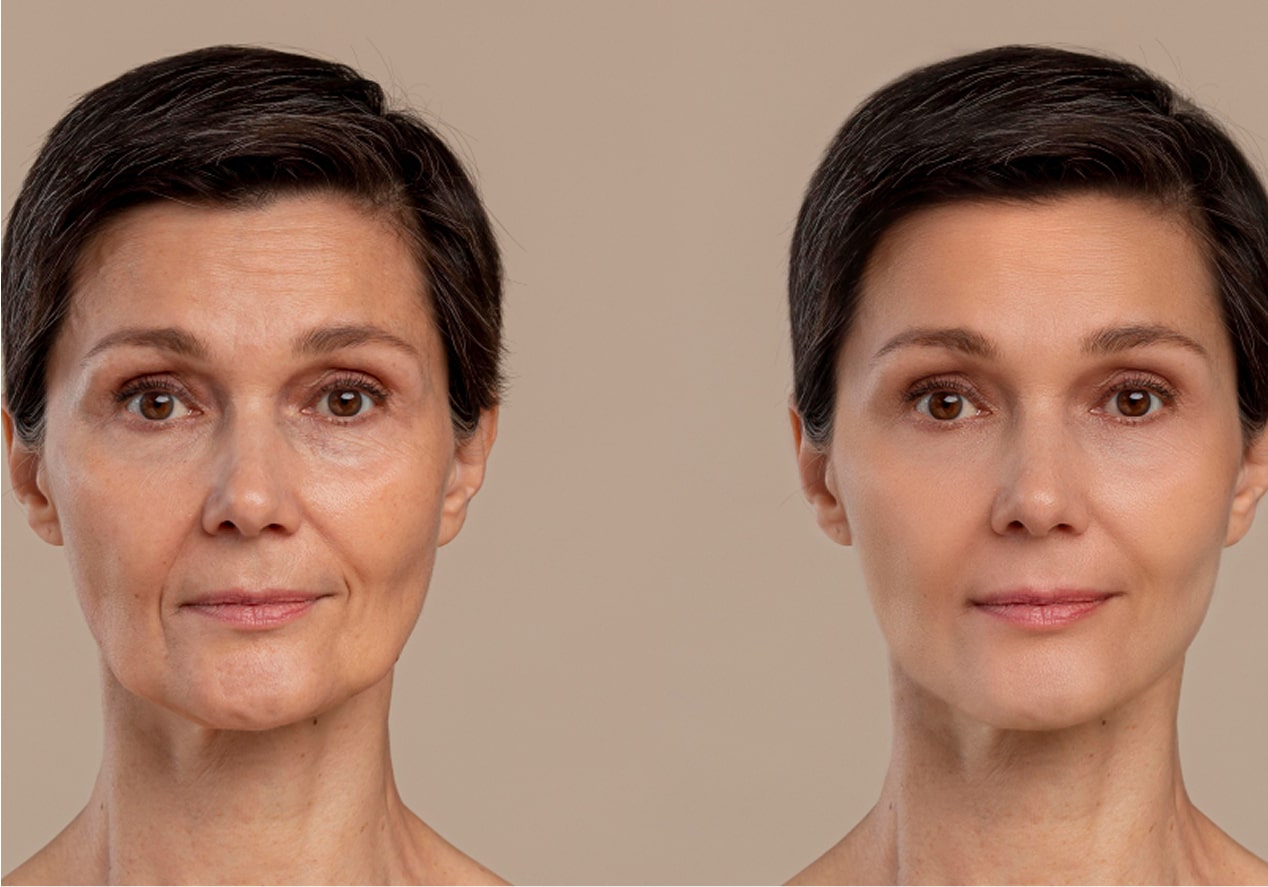
During your consultation, you can review real before-and-after results from facial fat grafting patients with concerns similar to yours. These examples help you understand the improvements that may be possible and set realistic expectations for your treatment.
— Our Doctors
Meet Our Expert Team
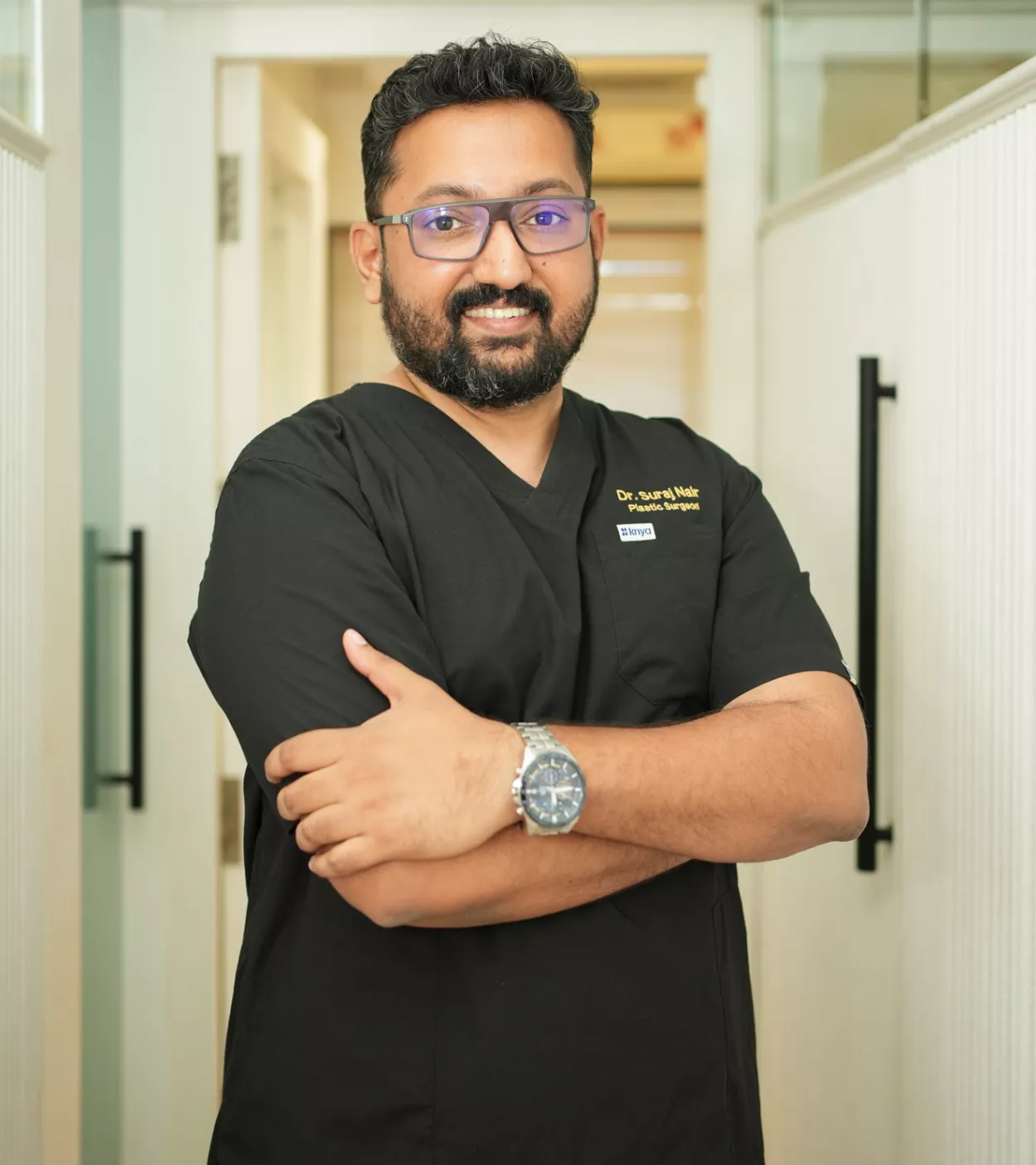
Dr. Suraj Nair
Trained at PGIMER, Chandigarh, Dr. Nair is a highly experienced breast cosmetic surgeon known for performing numerous breast augmentations, reductions, and lifts with natural outcomes.
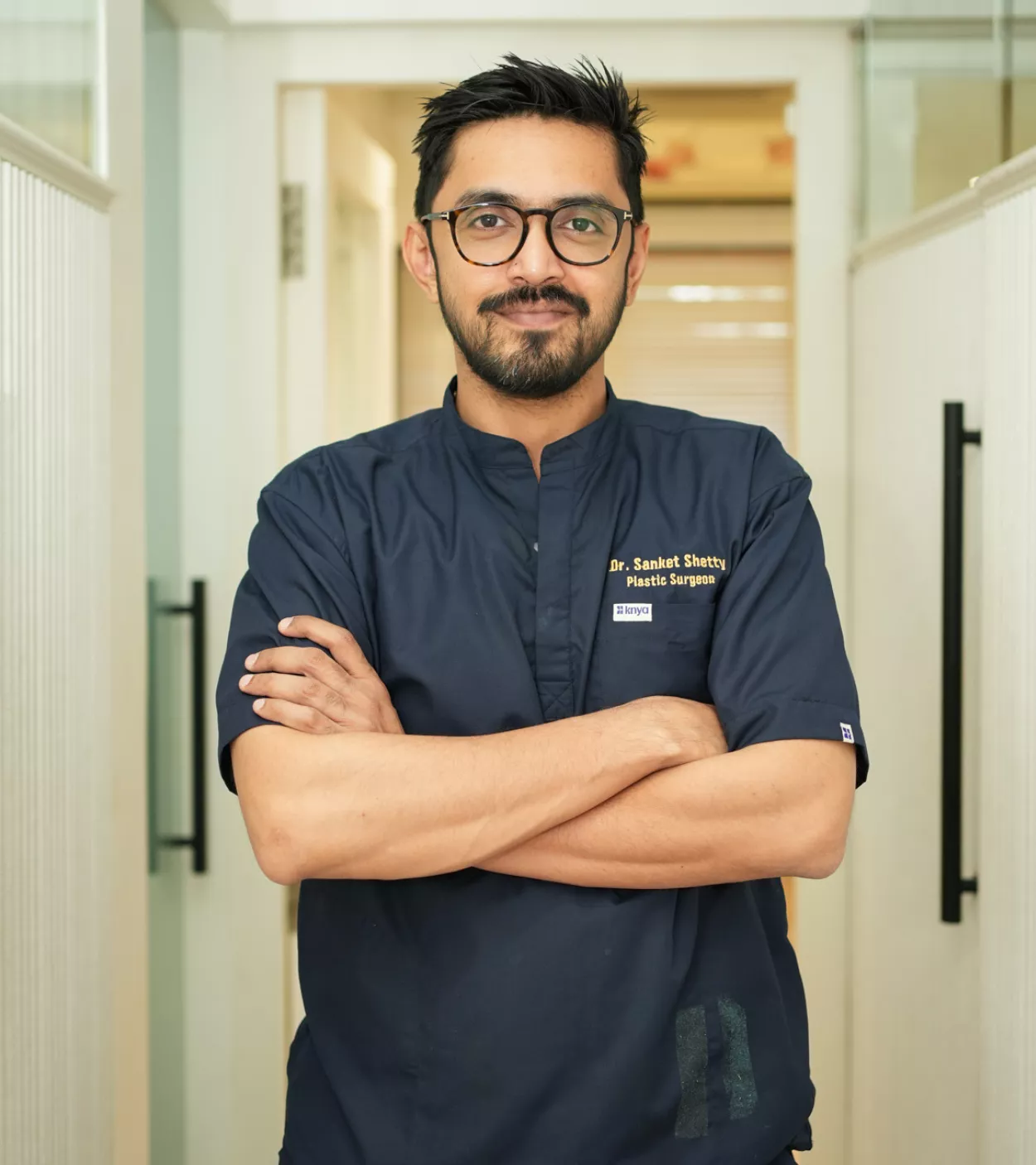
Dr. Sanket Shetty
M.Ch Plastic Surgeon with international training at Royal Stoke Hospital, UK, experienced in advanced aesthetic and reconstructive surgeries.
Dr. Lukesh Rathod
With over 10 years of experience, Dr. Rathod specializes in minimally invasive aesthetic procedures and advanced skin treatments
Fat Grafting Treatment Options at Navaa
Structural Fat Grafting — Volume Restoration
Structural fat grafting restores lost facial volume in areas such as the cheeks, temples, jawline, and chin. Larger fat particles are carefully placed in deeper tissue layers to create natural-looking fullness and improve facial balance. Your surgeon plans the treatment to achieve smooth, long-lasting results that complement your facial features.
Micro Fat Grafting — Precise Facial Contouring
Micro fat grafting uses smaller fat particles to treat delicate areas that require precise volume restoration, such as the under-eye area, lips, and other fine facial contours. This technique allows accurate placement, blends naturally with surrounding tissues, and is often combined with structural fat grafting for comprehensive facial rejuvenation.
Nano Fat Grafting — Skin Quality and Rejuvenation
Nano fat grafting uses highly refined fat rich in regenerative cells to improve skin quality rather than add volume. It is commonly used to soften fine lines, improve skin texture, reduce dark circles, and refresh delicate areas such as the under-eyes and around the mouth.
Fat Grafting for Scars — Acne Scars and Surgical Scars
Fat grafting can improve certain depressed scars caused by acne, surgery, burns, or injuries. By placing fat beneath the scar, the area becomes smoother and more even, while the regenerative properties of the fat help improve the quality of the overlying skin over time.
Take the first step towards natural volume today — Book your consultation with a trusted fat grafting surgeon in Mumbai.
What is Fat Grafting Treatment?
Fat grafting, also called fat transfer, autologous fat injection, lipofilling, or facial liposculpture, is a cosmetic procedure that uses your own body fat to restore volume, refine contours, and rejuvenate targeted areas of the face. The procedure has three stages: gentle liposuction at a donor site (typically the abdomen, thighs, or flanks) to harvest the fat; processing and purification of the harvested fat; and precise injection of the purified fat into the areas of the face that need volume or rejuvenation.
Because the fat comes from your own body, there is no risk of allergic reaction or rejection. The fat that survives and establishes a blood supply becomes living tissue, and the results look and feel natural because the material is natural. Fat grafting is one of the most effective tools in facial rejuvenation, particularly for addressing the volume loss that is a primary driver of facial ageing.
Fat Grafting vs Dermal Fillers — Which is Right for You?
Choose fat grafting if: you want a long-lasting result using your own tissue with no allergy risk. You have significant volume loss across multiple areas of the face. You are already having liposuction elsewhere and the fat can be used productively. You want the additional benefit of skin quality improvement from nano fat. You are comfortable with a procedure that requires a recovery period of one to two weeks.
Choose dermal fillers if: you want an immediate result with no downtime. Your volume loss is mild and localised to one or two small areas. You are not ready for a surgical procedure. You want to trial the result of volume restoration before committing to a longer-lasting option.
When both may be appropriate: Fat grafting and fillers are sometimes used together — fat grafting for large-volume areas and fillers for fine-detail areas where precise control over a very small volume is needed. Your surgeon will advise the most appropriate combination at consultation.
How Much of the Transferred Fat Survives?
This is one of the most important questions to understand before undergoing fat grafting — and one of the areas where honest patient education matters most. Not all transferred fat survives. A portion of the injected fat cells do not establish a blood supply and are gradually reabsorbed by the body. The proportion that survives varies significantly between patients and between areas of the face, depending on the technique used, how the fat was harvested and processed, the recipient area blood supply, and individual healing factors.
At Navaa, the surgeon plans for this by injecting a slightly larger volume than the final desired result — a planned overcorrection — so that as the non-surviving fat is reabsorbed, the final result is closer to the intended volume. This is a normal part of fat grafting planning. In some cases, a second session may be needed to achieve or maintain the desired result. Your surgeon will set realistic expectations at consultation based on your specific case.
Facial Areas Treated with Fat Grafting at Navaa
Cheeks and Midface
The cheeks are the area most commonly treated with fat grafting. Age-related fat loss in the midface causes the cheeks to flatten, the nasolabial folds to deepen, and the overall face to look more angular and tired. Cheek fat grafting restores the natural roundness and projection of the midface, softens the nasolabial fold indirectly, and creates a more rested, youthful facial structure. The cheeks respond well to structural fat grafting and tend to have good fat survival due to their blood supply.
Under-Eye Area (Tear Trough)
The tear trough — the hollow area beneath the eye between the lower eyelid and the cheek — is one of the most visible signs of facial ageing and one of the most requested areas for fat grafting. As fat under the eye is lost with age, the hollow creates a shadow that makes patients look tired or older than they are. Fat grafting under the eyes uses micro fat and nano fat techniques to precisely fill the hollow and improve the skin quality of the overlying tissue. The under-eye area requires the most technical precision of any fat grafting area, as the skin is thin and the anatomy detailed.
Jawline and Chin
Volume loss along the jawline and around the chin can cause the lower face to look deflated, allow the skin to sag, or make jowling more prominent. Fat grafting along the jawline can restore definition and create a cleaner jaw-to-neck profile. Chin fat grafting can improve projection and balance without the need for a chin implant in appropriate cases. Jawline contouring with fat is a natural adjunct to other facial rejuvenation procedures.
Temples and Forehead
The temples hollow significantly with age — a change that is often overlooked but that dramatically affects the overall facial shape, making the skull appear more angular and the face appear narrower. Temple fat grafting restores the rounded, youthful fullness of the temporal area, softening the bony appearance and restoring the natural oval or heart shape of the face. Forehead fat grafting addresses specific depressions or asymmetries in the upper face.
Lips
Fat grafting to the lips can restore lost lip volume and improve lip definition in a way that looks and feels more natural than synthetic fillers. The result is softer and less likely to produce the artificial-looking fullness that is sometimes associated with over-filled lips. Lip fat grafting requires careful planning as the lips are a high-movement area and fat survival in this location can be variable. Micro fat is used for lip grafting, placed precisely in the correct anatomical layers.
Who is the Right Candidate for Fat Grafting?
Signs You May Benefit From Fat Grafting
You may be a suitable candidate if:
- You have noticeable volume loss in the cheeks, temples, under-eye area, or jawline that makes your face look tired, hollow, or older than you feel
- You have deep acne scars, surgical scars, or depressed scars that do not improve with surface treatments alone
- You have tried dermal fillers and want a longer-lasting, more natural result using your own tissue
- You have enough donor fat at the abdomen, thighs, or flanks — the procedure requires a small amount of fat to harvest
- You are at a stable body weight — significant weight changes after fat grafting affect the result, as grafted fat behaves like normal fat and responds to weight fluctuations
- You are in good general health with no conditions that significantly impair healing
- You are a non-smoker or are willing to stop smoking before and after the procedure — smoking significantly reduces fat survival
- You have realistic expectations — fat grafting produces meaningful, natural-looking volume restoration, with the understanding that some fat reabsorption is normal and a touch-up may occasionally be needed
Who Should Consider Fillers Instead
Fat grafting may not be the right choice if:
- Your volume loss is mild and localised — a small amount of filler addresses the concern with no recovery time
- You are not willing or able to take one to two weeks of mild recovery time
- You do not have enough donor fat — very lean patients may not have adequate fat to harvest for facial grafting
- You want to trial volume restoration before committing to a longer-lasting option — fillers allow you to see the effect without permanence
Your surgeon will assess your specific situation at consultation and give you an honest recommendation on whether fat grafting, fillers, or a combination is the most appropriate approach for your face.
How Fat Grafting Works at Navaa – Step by Step
1
Consultation and Facial Assessment
Your consultation begins with a detailed assessment of your facial structure, areas of volume loss, skin quality, and overall treatment goals. Your surgeon will also identify a suitable donor area for fat harvesting and recommend the most appropriate fat grafting technique. You’ll receive a personalised treatment plan, realistic expectations, and a clear cost estimate before any procedure is scheduled.
2
Donor Site Selection and Anaesthesia
A donor site, usually the abdomen, thighs, or flanks, is selected for fat harvesting. Facial fat grafting is commonly performed under local anaesthesia with sedation, while general anaesthesia may be recommended when combined with other procedures. Before surgery, both the donor and treatment areas are carefully prepared and marked.
3
Harvesting, Purification and Injection
Fat is gently harvested using liposuction, purified, and prepared before being injected into the treatment areas. Your surgeon carefully places the fat in multiple layers to restore volume, improve facial contours, or enhance skin quality. The procedure usually takes one to two hours, and most patients return home the same day.
4
Recovery, Aftercare, and Follow-Up
Swelling, bruising, and mild tenderness are expected during the first week and gradually improve. Most patients return to work and normal activities within one to two weeks, while the transferred fat settles over the following months. Follow-up appointments monitor healing, and your surgeon will assess whether any additional treatment is beneficial.
Fat Grafting Treatment Cost in Mumbai
The cost of fat grafting at Navaa depends on the specific areas being treated, the volume of fat required, and which techniques are used. A detailed, transparent cost estimate is provided at consultation after the surgeon has assessed your face and confirmed the treatment plan.
Factors That Affect the Cost
- Number of facial areas treated: each additional area adds technique complexity and operative time
- Fat grafting type: structural, micro, and nano fat grafting each have different preparation and injection requirements
- Volume of fat required: larger volumes require more harvesting and processing time
- Donor site: the liposuction component at the donor site contributes to the overall cost
- Anaesthesia: local anaesthesia with sedation for facial fat grafting alone costs less than general anaesthesia for combined procedures
- Combined procedures: fat grafting is commonly combined with other facial procedures; the cost of the combination is discussed at consultation
EMI & Payment Options at Navaa
Navaa offers flexible EMI options through leading financial partners, making fat grafting treatment accessible without financial stress. For patients considering fat grafting as part of a broader facial rejuvenation plan, the team can discuss the most efficient and cost-effective approach at consultation.
Recovery and Results
- Recovery is mild compared to more invasive facial surgery — most patients return to normal activities within one to two weeks
- Swelling and bruising at both the donor site and the facial injection sites are normal and settle within one to two weeks
- Avoid pressure on the treated facial areas during the first two weeks — sleeping on your back is recommended
- Avoid strenuous exercise for two weeks
- The face looks fuller than the final result during the first month due to swelling — this is normal and not the final appearance
- The stable result becomes visible at three months as non-surviving fat is gradually reabsorbed
- Nano fat skin quality improvements continue to develop for up to six months
- The fat that survives is long-lasting — it behaves like normal fat and is affected by significant weight changes
- A second session may occasionally be recommended at the three to six month review if additional volume is desired
Our Approach to Natural Results
Facial volume restoration at Navaa begins with an honest conversation about what is realistic. Not all transferred fat survives — and we tell patients that clearly, explain what overcorrection means, and set expectations around the possibility of a second session. We also tell patients when fat grafting is not the right answer — when fillers would give a better result with less disruption, or when the degree of skin laxity means a facelift is needed alongside volume restoration. The goal is always a face that looks naturally refreshed — not obviously treated. For more skin treatment options at Navaa, explore our Skin Treatments at Navaa.

Take the first step towards contour enhancement today — Book your consultation with an expert fat transfer specialist in Mumbai.

Visit Best Clinic for fat grafting in Mumbai.
Navaa Aesthetics – Plastic Surgery Clinics
4th floor, 405, Morya Estate, New Link Rd, opp. Infinity Mall, Veera Desai Industrial Estate, Andheri West, Mumbai
Frequently Asked Questions About Fat Grafting Treatment in Mumbai
How long does fat grafting last?
Does fat transfer look natural?
How much of the fat survives after grafting?
Can fat grafting improve skin quality?
What is the difference between nano fat and structural fat grafting?
Can fat grafting improve acne scars?
Is fat grafting better than fillers?
How long is recovery after fat grafting?
Still have questions or need personalised guidance? Our experts are here to help you make informed and confident decisions—every step of the way.
⭐⭐⭐⭐⭐ Rated 4.9/5 by 500+ Patients in Mumbai
Enhance your natural contours with advanced fat grafting.
Navaa Plastic and Cosmetic Surgery Clinic, Andheri, Mumbai
Book your consultation today