
- Home
- About Us
- Treatments
-
-
- Skin
-
- Face
-
- Breast
- Reconstructive
-
- Body
- Genitalia
- Maxillofacial
-
-
- Doctors
- Blogs
- Gallery
- Contact Us
- Home
- About Us
- Treatments
-
-
- Skin
-
- Face
-
- Breast
- Reconstructive
-
- Body
- Genitalia
- Maxillofacial
-
-
- Doctors
- Blogs
- Gallery
- Contact Us
Skin Pigmentation Treatment in Mumbai - Hyperpigmentation & Dark Spot Removal at Navaa Plastic & Cosmetic Surgery

Skin pigmentation concerns are among the most common skin issues affecting people in India – dark patches, uneven skin tone, post-acne marks, and stubborn melasma that resists every cream and home remedy. For many patients, the frustration is not just the pigmentation itself but the months or years spent on products that improve the surface without addressing the cause.
At Navaa Plastic & Cosmetic Surgery, skin pigmentation treatment is performed under the supervision of MCh-qualified plastic surgeons – the highest surgical qualification in plastic surgery in India. This is a different level of clinical oversight from a cosmetic clinic or medspa. Every treatment plan begins with an accurate diagnosis of the pigmentation type and cause – because the right treatment for melasma is different from the right treatment for post-acne marks, and choosing the wrong approach can make pigmentation worse, particularly in Indian skin.
— Why Choose Us
Why Choose Navaa Plastic and Cosmetic Surgery Clinic for Skin Pigmentation Treatment in Mumbai?
At Navaa Plastic and Cosmetic Surgery Clinic, we combine surgical precision with aesthetic artistry to achieve refined and natural outcomes.
MCh Plastic Surgeons - Not a Dermatology Clinic
Skin pigmentation treatment at Navaa is performed under the supervision of MCh-qualified plastic and cosmetic surgeons. This matters for pigmentation specifically because complex presentations - pigmentation following burns, post-surgical scarring with pigmentation, or pigmentation alongside structural skin damage - require a plastic surgeon's complete clinical toolkit, not just topical and laser protocols. For straightforward hyperpigmentation and melasma, the benefit is the same thorough assessment and honest treatment planning that MCh training produces.
Laser and Non-Laser Options Both Available
Not all pigmentation responds to laser, and not all skin tones are suitable for aggressive laser settings. At Navaa, both laser and non-laser pigmentation treatment options are available - including chemical peels, dermabrasion, PRP, and topical management alongside laser therapy. The treatment is chosen based on your pigmentation type, skin tone, and what is clinically most appropriate for your case.
Indian Skin Expertise - Fitzpatrick Type IV to VI
Indian skin falls predominantly in the Fitzpatrick type IV to VI range - darker skin tones that are more prone to post-inflammatory hyperpigmentation and more sensitive to aggressive laser or peel treatments than lighter skin types. At Navaa, this is not a footnote - it is a core part of every pigmentation treatment plan. Technique selection, laser wavelengths, peel strengths, and post-treatment protocols are all adapted to Indian skin to minimise the risk of making pigmentation worse.
Personalised Treatment Planning
Pigmentation is not one condition - it is a category of conditions with different causes, different depths, and different responses to treatment. At Navaa, treatment is planned specifically for your pigmentation type after a thorough consultation and skin assessment. No patient is given a standard protocol without a prior examination of their skin.
Located in Andheri, Mumbai
Modern facilities, advanced laser technology and patient-focused care in a convenient Mumbai location. Most pigmentation treatments require multiple sessions - our team supports you throughout the full treatment course with consistent records and follow-up at every stage.
Our Results Before and After
Skin pigmentation treatment before and after results from Navaa - covering melasma, post-inflammatory hyperpigmentation, sun damage, and combined pigmentation presentations across Indian skin tones - are available for review at your consultation. Your surgeon will walk you through cases relevant to your specific pigmentation concern.
— Our Doctors
Meet Our Expert Team
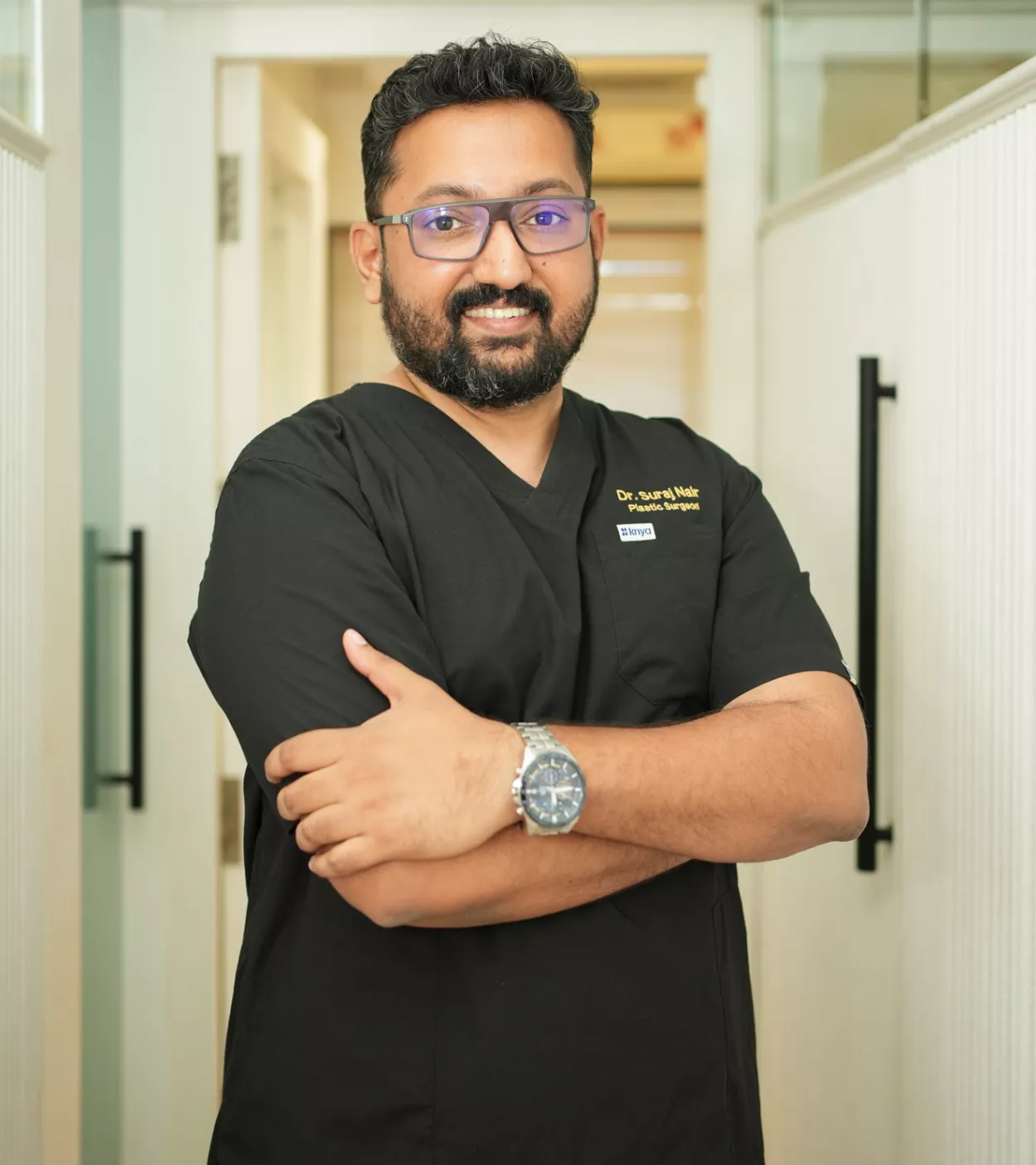
Dr. Suraj Nair
Trained at PGIMER, Chandigarh, Dr. Nair is a highly experienced breast cosmetic surgeon known for performing numerous breast augmentations, reductions, and lifts with natural outcomes.

Dr. Sanket Shetty
M.Ch Plastic Surgeon with international training at Royal Stoke Hospital, UK, experienced in advanced aesthetic and reconstructive surgeries.

Dr. Lukesh Rathod
With over 10 years of experience, Dr. Rathod specializes in minimally invasive aesthetic procedures and advanced skin treatments
Skin Pigmentation Treatment Options at Navaa
Laser Treatment - Q-Switched and Pico Laser
Laser treatment is one of the most effective options for stubborn surface and mid-depth pigmentation. Q-switched Nd:YAG laser uses targeted light energy at specific wavelengths to break down melanin pigment into tiny fragments that the body's immune system clears naturally. Pico lasers deliver energy in ultra-short picosecond pulses, producing more effective pigment fragmentation with less heat in the surrounding tissue - making them more appropriate for certain pigmentation types and for darker skin tones where thermal damage risk needs to be minimised. Laser treatment is most effective for discrete, well-defined pigmentation including age spots, freckles, and post-inflammatory hyperpigmentation. For melasma specifically, laser is used carefully - melasma can worsen with aggressive laser settings and requires a cautious, low-fluence approach or an alternative first-line strategy.
Chemical Peels
Chemical peels use controlled acid solutions to exfoliate the pigmented surface layers of skin, reduce melanin concentration in the treated area, and stimulate cell turnover for a more even skin tone. Superficial peels using glycolic, mandelic, or lactic acid are appropriate for mild pigmentation and are well-tolerated in Indian skin. Medium-depth peels address more established pigmentation but require careful selection and post-peel management to avoid pigment rebound in darker skin tones. Chemical peels are frequently used as part of a combination protocol alongside topical treatment and laser, particularly for melasma management.
Dermabrasion
Dermabrasion uses a rotating instrument to mechanically resurface the pigmented skin layer, improving surface texture and tone while reducing visible pigmentation in the treated area. At Navaa, dermabrasion is used for appropriate pigmentation presentations - particularly where surface-level skin texture improvement alongside pigment reduction is the goal. See Dermabrasion Treatment in Mumbai for the full overview of dermabrasion at Navaa.
PRP Treatment for Skin Pigmentation
Platelet-Rich Plasma (PRP) treatment uses growth factors from the patient's own blood to improve skin quality, support melanin regulation, and reduce post-inflammatory hyperpigmentation. PRP is particularly useful for PIH following acne, as it addresses both the pigmentation and the underlying skin repair process simultaneously. It is frequently combined with laser or microneedling to enhance results and support healing after the primary treatment. See PRP Treatment in Mumbai for the full overview of PRP treatment at Navaa.
Topical Treatment and Medical Management
For many pigmentation conditions - particularly melasma - topical medical treatment is the first-line and most important component of management. Evidence-based topical agents include tranexamic acid (strong 2025 evidence for melasma and PIH, comparable to hydroquinone with fewer side effects), azelaic acid, niacinamide, vitamin C, and alpha-arbutin. Under prescription and medical supervision, hydroquinone and retinoids are effective but require short-course, carefully monitored use in darker skin. Daily broad-spectrum SPF 50+ sun protection is the single most important component of any pigmentation management plan - without it, all other treatments will have limited or short-lived effect. At Navaa, topical protocols are prescribed as part of the overall treatment plan, not as an afterthought.
Treat uneven skin tone and dark spots with advanced skin pigmentation treatment in Mumbai.
Take the first step towards even skin tone today — Book your consultation with a trusted pigmentation specialist in Mumbai.
Types of Skin Pigmentation - What Causes Each
Accurate diagnosis of the pigmentation type is the most important step in treatment planning. Different types of pigmentation have different causes, different depths, and respond to completely different treatments. This is why a consultation and skin assessment must come before any treatment is administered.
Melasma
Melasma is one of the most common and most challenging pigmentation conditions in India, presenting as greyish-brown patches on the cheeks, forehead, upper lip, and nose – the sun-exposed areas of the face. It is triggered primarily by UV exposure and hormonal changes – pregnancy, oral contraceptives, and thyroid imbalance are the most common hormonal triggers. Melasma is a chronic, relapsing condition – it cannot be permanently cured, only managed and controlled. Treatment requires a combination of strict sun protection, evidence-based topical management (tranexamic acid, azelaic acid), careful chemical peels, and, where appropriate, cautious low-fluence laser toning. Aggressive laser treatment for melasma frequently causes PIH rebound and should be avoided. Realistic expectation-setting is essential for melasma patients – control and maintenance is the goal, not one-time clearance.
Post-Inflammatory Hyperpigmentation (PIH)
Post-inflammatory hyperpigmentation is the dark mark left after inflammation or injury to the skin – most commonly after acne breakouts, but also after burns, eczema, allergic reactions, or overly aggressive cosmetic treatments. PIH is particularly common and often more pronounced in Indian and darker skin tones because darker skin produces more melanin in response to inflammation. PIH fades naturally over time but this can take many months without treatment. It responds well to topical brightening agents, carefully chosen chemical peels, PRP, and laser treatment with appropriate settings for darker skin. The most important first step is controlling the underlying cause – treating active acne before addressing the PIH it causes. For patients with PIH from acne, see Acne Scar Treatment in Mumbai for the full treatment approach at Navaa.
Sun Damage and Age Spots
Chronic sun exposure is the single biggest cause of skin pigmentation in India. UV radiation drives melanin production as a protective response, causing cumulative darkening, tanning, and the formation of discrete dark spots (solar lentigines, commonly called age spots or liver spots). Age spots are flat, well-defined, brown to black marks that appear on chronically sun-exposed skin – the face, hands, and forearms. They respond well to Q-switched laser, chemical peels, and topical brightening agents. Unlike melasma, age spots caused by sun damage do not have a hormonal component and are less likely to relapse with appropriate sun protection after treatment.
Freckles and Birthmarks
Freckles are small, flat, tan to brown spots that appear predominantly on fair to medium skin tones in response to sun exposure. They are genetically predisposed – patients with a family history of freckling are more likely to develop them. Freckles fade in winter and darken in summer, following sun exposure patterns. Laser treatment (Q-switched Nd:YAG) is very effective for freckles. Birthmarks vary significantly in type – flat pigmented birthmarks such as cafe-au-lait macules and Mongolian spots may be treated with laser, while raised birthmarks require surgical assessment. The treatment approach depends entirely on the specific type, size, and location of the birthmark.
Hypopigmentation and White Patches
Hypopigmentation – the loss of skin pigment producing lighter or white patches – is a separate category from hyperpigmentation and requires a completely different assessment and treatment approach. The most common cause is vitiligo – an autoimmune condition in which melanocytes are destroyed, causing progressive white patches. Other causes include post-inflammatory hypopigmentation after burns or injuries, pityriasis versicolor (a fungal infection), and idiopathic guttate hypomelanosis (small white spots from chronic sun exposure). Treatment for hypopigmentation depends entirely on the cause – vitiligo has specific medical and surgical treatment options including melanocyte transplant techniques. For a full overview of vitiligo treatment, see Vitiligo Treatment in Mumbai.
What is Skin Pigmentation Treatment?
Skin pigmentation treatment encompasses a range of clinical procedures – laser, chemical peels, PRP, topical medical management, and surgical options – that reduce excess melanin, even out skin tone, and address the underlying cause of pigmentation. The specific treatment or combination depends entirely on what type of pigmentation is present, its cause, depth, and your skin tone.
How Melanin Controls Skin Colour
Melanin is the pigment produced by specialised skin cells called melanocytes. All people have approximately the same number of melanocytes regardless of skin tone – the difference is how much melanin these cells produce and how it is distributed. Melanin is produced in response to UV radiation, hormonal signals, and inflammatory triggers. When melanin production becomes imbalanced – producing too much in certain areas or too little in others – skin pigmentation disorders result. Most skin pigmentation treatment works by breaking down existing melanin (laser, peels), blocking melanin production (topical tyrosinase inhibitors), or improving the turnover of pigmented skin cells.
Hyperpigmentation vs Hypopigmentation - What is the Difference?
Hyperpigmentation is the overproduction of melanin causing patches of skin to appear darker than the surrounding area. This includes melasma, PIH, age spots, and freckles. It is by far the more common presentation and what most patients mean when they say they have a “pigmentation problem”.
Hypopigmentation is the underproduction or loss of melanin causing patches of skin to appear lighter or white. This includes vitiligo, post-burn hypopigmentation, and pityriasis versicolor. Hypopigmentation requires completely different assessment and treatment from hyperpigmentation – the two should not be treated the same way.
An accurate assessment at consultation establishes which type is present before any treatment is planned. Treating hyperpigmentation with approaches designed for hypopigmentation, or vice versa, will not produce the intended result.
Skin Pigmentation on Indian Skin - Why It Needs Special Care
Indian skin (Fitzpatrick types IV to VI) behaves differently from lighter skin types when it comes to pigmentation and its treatment. Darker skin produces more melanin overall, responds more intensely to inflammatory triggers, and is significantly more prone to post-inflammatory hyperpigmentation after any skin trauma – including cosmetic procedures themselves. Aggressive laser settings, harsh chemical peels, or inappropriate topical formulations can all trigger new PIH in Indian skin, making pigmentation worse rather than better. At Navaa, every pigmentation treatment plan specifically accounts for these considerations – using appropriate laser wavelengths and fluence settings, conservative peel strengths with careful monitoring, and post-treatment protocols that minimise PIH risk in darker skin.
Who is the Right Candidate for Skin Pigmentation Treatment?
You may benefit from clinical skin pigmentation treatment if:
– You have dark patches, uneven skin tone, melasma, age spots, or post-acne marks that have not responded to over-the-counter products or home remedies
– Your pigmentation affects your confidence or daily life and you are seeking a more effective, clinically guided approach
– You have active acne that is under control – PIH from acne cannot be effectively treated while new lesions continue to produce new dark marks
– You are able to commit to strict daily sun protection before, during, and after treatment – without this, results are short-lived regardless of how effective the in-clinic treatment is
– You have realistic expectations – significant improvement in pigmentation is achievable for most patients, but melasma in particular is a chronic condition that requires ongoing management rather than a one-time cure
– You are not pregnant or breastfeeding – certain topical agents and laser treatments are not appropriate during pregnancy
– You are in good general health with no active skin infections or inflammatory skin conditions in the treatment area
Skin pigmentation treatment is appropriate for all skin tones including darker Indian skin. The approach is adapted to your specific skin type to maximise effectiveness and minimise the risk of treatment-induced pigmentation changes.
How Skin Pigmentation Treatment Works at Navaa - Step by Step
Consultation and Skin Assessment
Your consultation begins with a thorough examination of your skin. The type of pigmentation (melasma, PIH, age spots, freckles, hypopigmentation), its depth (superficial epidermal, deeper dermal, or mixed), its likely cause, and your skin tone (Fitzpatrick type) are all assessed. A Wood’s lamp examination may be used to determine whether the pigmentation is superficial or deep – superficial pigment appears enhanced under the lamp, deep pigment does not, and mixed pigment shows a combination. Your history of previous pigmentation treatments, current skincare products, medications, and sun exposure habits are all relevant to the plan. Pre-treatment photographs are taken under standardised lighting. A complete, personalised treatment plan and cost estimate are provided before any treatment is booked.
Treatment Planning
For most pigmentation presentations, a combination approach is planned. A typical plan for moderate facial pigmentation might combine: daily SPF 50+ and topical brightening agents (tranexamic acid, niacinamide) as the foundation; chemical peels as the primary in-clinic treatment for surface pigment; and laser toning where appropriate for residual discrete spots. For melasma specifically, the plan is conservative – avoiding aggressive laser, prioritising topical management, and setting realistic expectations about the long-term maintenance required. The treatment sequence, number of sessions, and inter-session interval are all confirmed before treatment begins.
The Procedure
For laser sessions, a topical numbing cream is applied 30 to 45 minutes before the procedure. The skin is cleaned and prepared, and the laser handpiece is passed over the treatment area. The sensation is described as mild warmth or a light snapping feeling. Immediately after, mild redness is expected. For chemical peel sessions, the peel solution is applied to the skin for a controlled period and then neutralised. The skin tingles during the application. Post-peel redness and sensitivity last 24 to 72 hours, with peeling occurring over the following days. Each session is a day-care appointment – patients go home immediately after with post-treatment care instructions.
Recovery, Aftercare, and Follow-Up
Immediately after: Mild redness, warmth, and sensitivity are normal after laser or peel sessions. The skin is treated as sensitive and sun protection begins immediately.
Days 1 to 3: Redness and mild tightness settle. For peel sessions, peeling begins at day 3 to 5. Do not pick or accelerate peeling. Gentle cleanser and moisturiser only.
Days 5 to 7: Peeling resolves. Initial improvement in skin tone begins to be visible as the pigmented surface layer clears.
Weeks 2 to 6: Progressive improvement with each subsequent session. SPF 50+ sun protection applied every morning, reapplied when outdoors – this is non-negotiable throughout the treatment course and beyond.
Month 3 onwards: The full result of the treatment course is assessed at three months, when all sessions are complete and the skin has stabilised. For melasma patients, maintenance sessions and ongoing topical management are planned.
Skin Pigmentation Treatment Cost in Mumbai
The cost of skin pigmentation treatment at Navaa depends on the treatment type, the area being treated, and the number of sessions required. A detailed, transparent cost estimate is provided at consultation after the assessment of your skin and confirmation of the treatment plan. No treatment is booked without a prior examination.
Factors That Affect the Cost
– Treatment type: laser sessions, chemical peels, PRP, and dermabrasion each have different cost structures
– Laser type: Q-switched Nd:YAG and Pico laser have different per-session costs
– Number of sessions: most pigmentation treatments require a course of three to eight sessions; the total course cost is more meaningful than a per-session price
– Area treated: the face alone costs differently from treating the face plus neck or body
– Combination approach: combining laser with peels and PRP in a treatment programme affects the overall plan cost
– Maintenance: budget for ongoing maintenance sessions for melasma, which requires long-term management
EMI & Payment Options at Navaa
Navaa offers flexible EMI options through leading financial partners, making pigmentation treatment accessible without requiring the full cost upfront for a complete course. Our team will discuss payment options at consultation.
Recovery and Results
– Recovery after each laser or peel session is mild – redness and sensitivity settle within 24 to 72 hours
– Peeling after chemical peel sessions occurs over days 3 to 7 – do not force or pick the peeling skin
– Initial improvement visible after the first session as the pigmented surface layer clears
– Progressive improvement with each subsequent session as melanin is broken down and cleared
– Full result of the treatment course assessed at three months after the final session
– SPF 50+ sun protection every morning is essential throughout the treatment course and long-term afterwards
– Melasma requires ongoing maintenance and sun protection to prevent recurrence – it is a chronic condition
– Post-inflammatory hyperpigmentation from acne responds well and typically does not recur if active acne is controlled
– Age spots and freckles treated with laser have lasting results with appropriate sun protection
Our Approach to Natural Results
Skin pigmentation treatment at Navaa begins with honesty about what is achievable. For melasma, we tell patients clearly that this is a chronic condition requiring long-term management – not a problem that can be permanently fixed in three sessions. For PIH, we address the cause alongside the pigmentation, because treating dark marks while new acne continues to produce new ones is a circular process with no end. For sun damage and age spots, we deliver honest results with appropriate technology and realistic post-treatment sun protection expectations. We also take Indian skin seriously – aggressive protocols that produce dramatic before-and-after photographs in lighter skin can cause significant harm in Fitzpatrick type IV to VI skin. Conservative, patient, combination approaches that take longer but carry far lower risk of making things worse are the right approach for most of our patients. For a full view of skin treatments at Navaa, explore our Skin Treatments at Navaa.

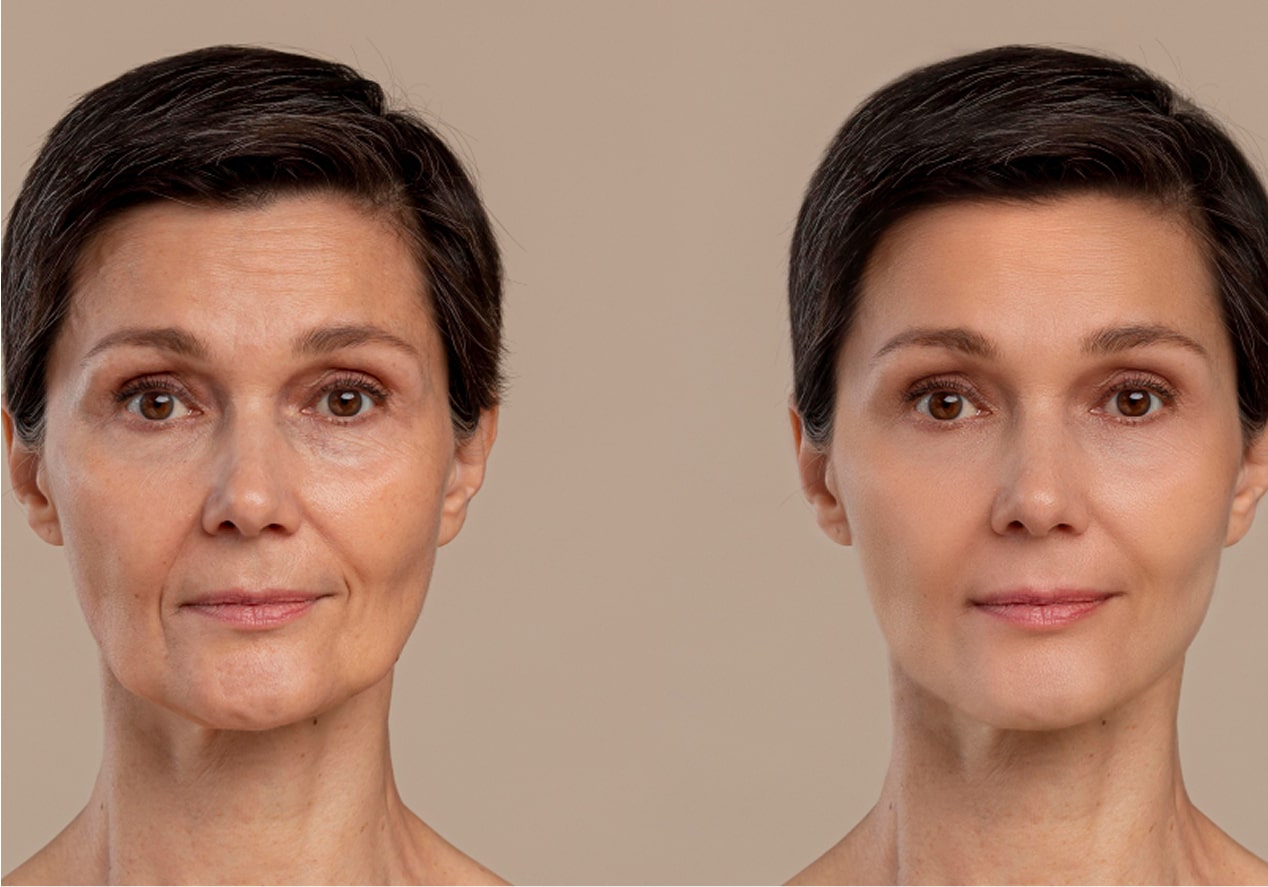
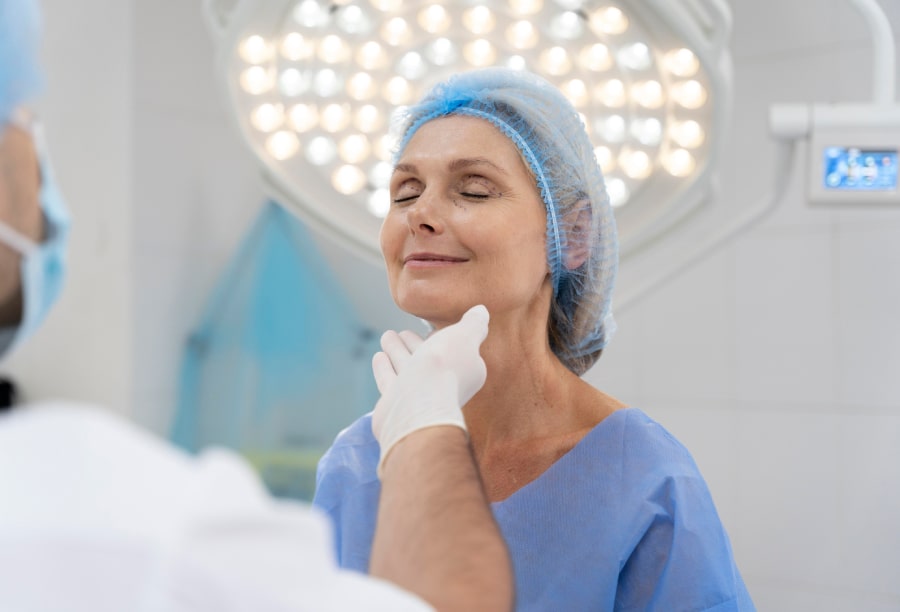
Restore clear, even-toned skin with expert pigmentation correction at Navaa.
Take the first step towards spot-free skin today — Book your consultation with an expert pigmentation treatment doctor in Mumbai.

Visit Best Clinic for skin pigmentation treatment in Mumbai.
Navaa Aesthetics – Plastic Surgery Clinics
4th floor, 405, Morya Estate, New Link Rd, opp. Infinity Mall, Veera Desai Industrial Estate, Andheri West, Mumbai
Frequently Asked Questions
Can skin pigmentation be permanently removed?
Is laser safe for Indian skin?
How many sessions does pigmentation treatment take?
What is melasma and how is it treated?
Can pigmentation come back after treatment?
Is pigmentation treatment painful?
What is the difference between pigmentation and vitiligo?
What foods worsen pigmentation?
Have More Questions?
Still have questions or need personalised guidance? Our experts are here to help you make informed and confident decisions—every step of the way.
⭐⭐⭐⭐⭐ Rated 4.9/5 by 500+ Patients in Mumbai
Achieve clear and even-toned skin with expert pigmentation treatment.
Navaa Plastic and Cosmetic Surgery Clinic, Andheri, Mumbai
Book your consultation today