- Home
- About Us
- Treatments
-
-
- Skin
-
- Face
-
- Breast
- Reconstructive
-
- Body
- Genitalia
- Maxillofacial
-
-
- Doctors
- Blogs
- Gallery
- Contact Us
- Home
- About Us
- Treatments
-
-
- Skin
-
- Face
-
- Breast
- Reconstructive
-
- Body
- Genitalia
- Maxillofacial
-
-
- Doctors
- Blogs
- Gallery
- Contact Us
Keloid Treatment in Mumbai – Keloid Scar Removal at Navaa Plastic & Cosmetic Surgery
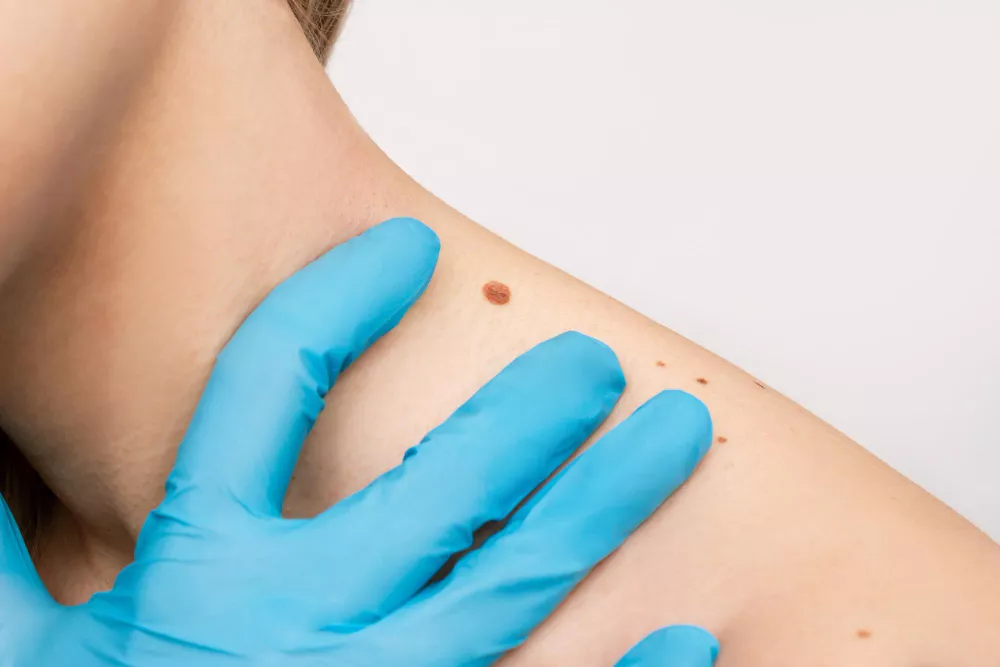
A keloid is more than a scar. Unlike a normal scar that heals and fades, a keloid keeps growing sometimes for months or years extending well beyond the original wound. It can itch, feel tight, and in visible locations like the ear, chest, or face, it can quietly affect how you feel about yourself every day.
At Navaa Plastic & Cosmetic Surgery, keloid treatment is led by MCh-qualified plastic surgeons who plan treatment as a structured, combination approach because that is what the clinical evidence supports and what gives patients the best chance of durable improvement. No single treatment permanently removes every keloid, but a well-planned combination approach followed with proper aftercare gives the best long-term outcomes.
— Why Choose Us
Why Choose Navaa Plastic and Cosmetic Surgery Clinic for Keloid Treatment in Mumbai?
At Navaa Plastic and Cosmetic Surgery Clinic, we combine surgical precision with clinical expertise to achieve the best possible outcomes for keloid patients including those who have tried other treatments without lasting results.
Plastic Surgeon Led, Not a Dermatology Clinic
Every keloid deserves careful evaluation before treatment. At Navaa, your case is assessed by a plastic surgeon who focuses on restoring both function and appearance. Our approach is thoughtful, precise, and tailored to achieve the best possible outcome.
Combination Therapy for Lower Recurrence
Treating a keloid often requires more than one solution. Depending on your condition, we may combine surgery with other proven treatments to improve healing and reduce the chance of the scar returning.
Safe for Indian and Darker Skin Tones
Skin heals differently from person to person. We carefully plan every treatment with your skin type in mind, aiming for safe healing, minimal pigmentation changes, and the best cosmetic result possible.
Personalised Treatment Planning
No two keloids are exactly alike. We take the time to understand your concerns, examine the scar, and recommend a treatment plan that suits your individual needs rather than following a one-size-fits-all approach.
Located in Andheri, Mumbai
From your first consultation to every follow-up visit, our team is here to guide you through each step. We focus on clear communication, patient comfort, and continuity of care throughout your treatment journey.
Our Results Before and After
Seeing real patient outcomes can help you understand what is possible. During your consultation, we will share relevant before-and-after cases and explain the treatment approach used for each one.
— Our Doctors
Meet Our Expert Team
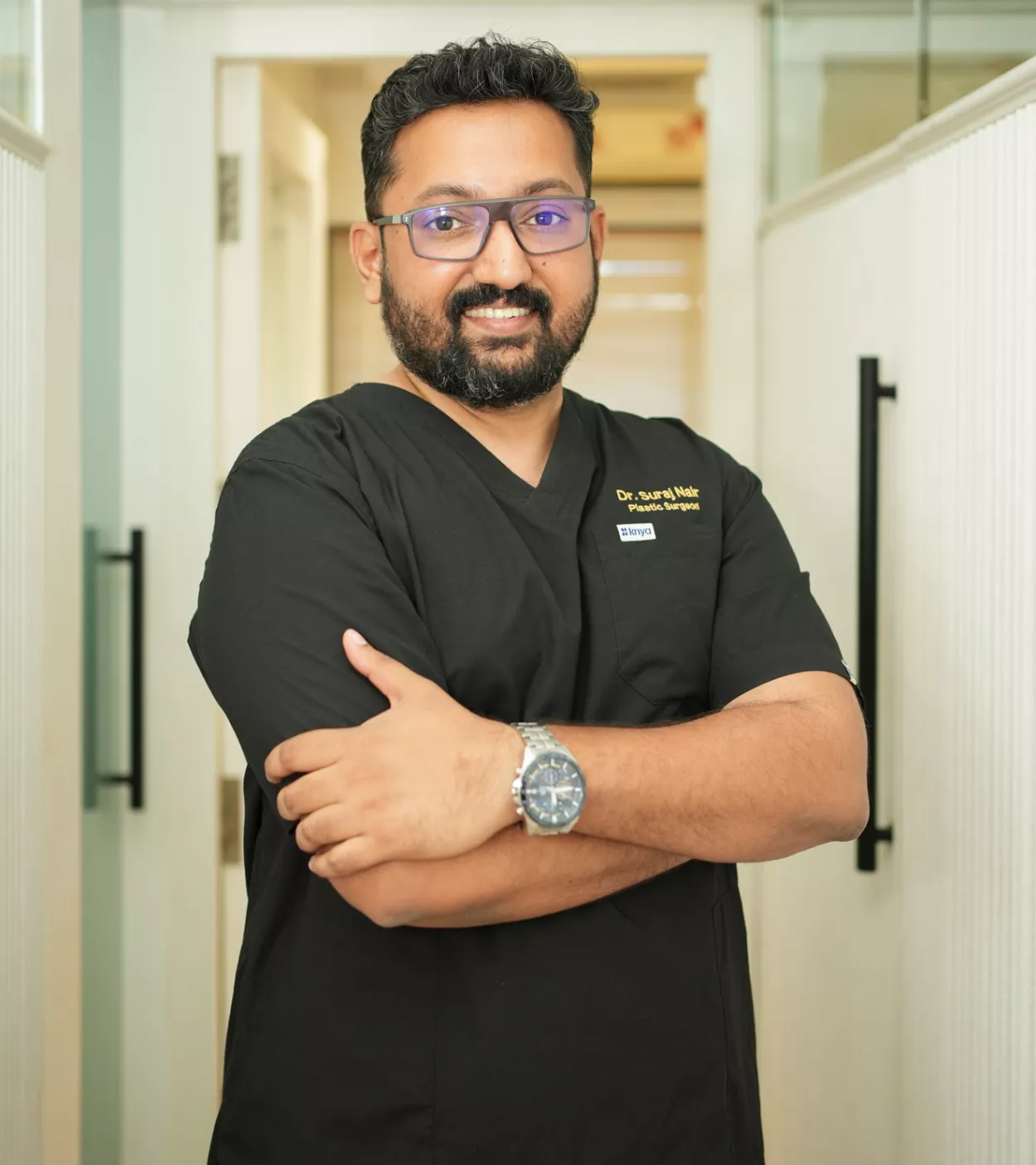
Dr. Suraj Nair
Trained at PGIMER, Chandigarh, Dr. Nair is a highly experienced breast cosmetic surgeon known for performing numerous breast augmentations, reductions, and lifts with natural outcomes.
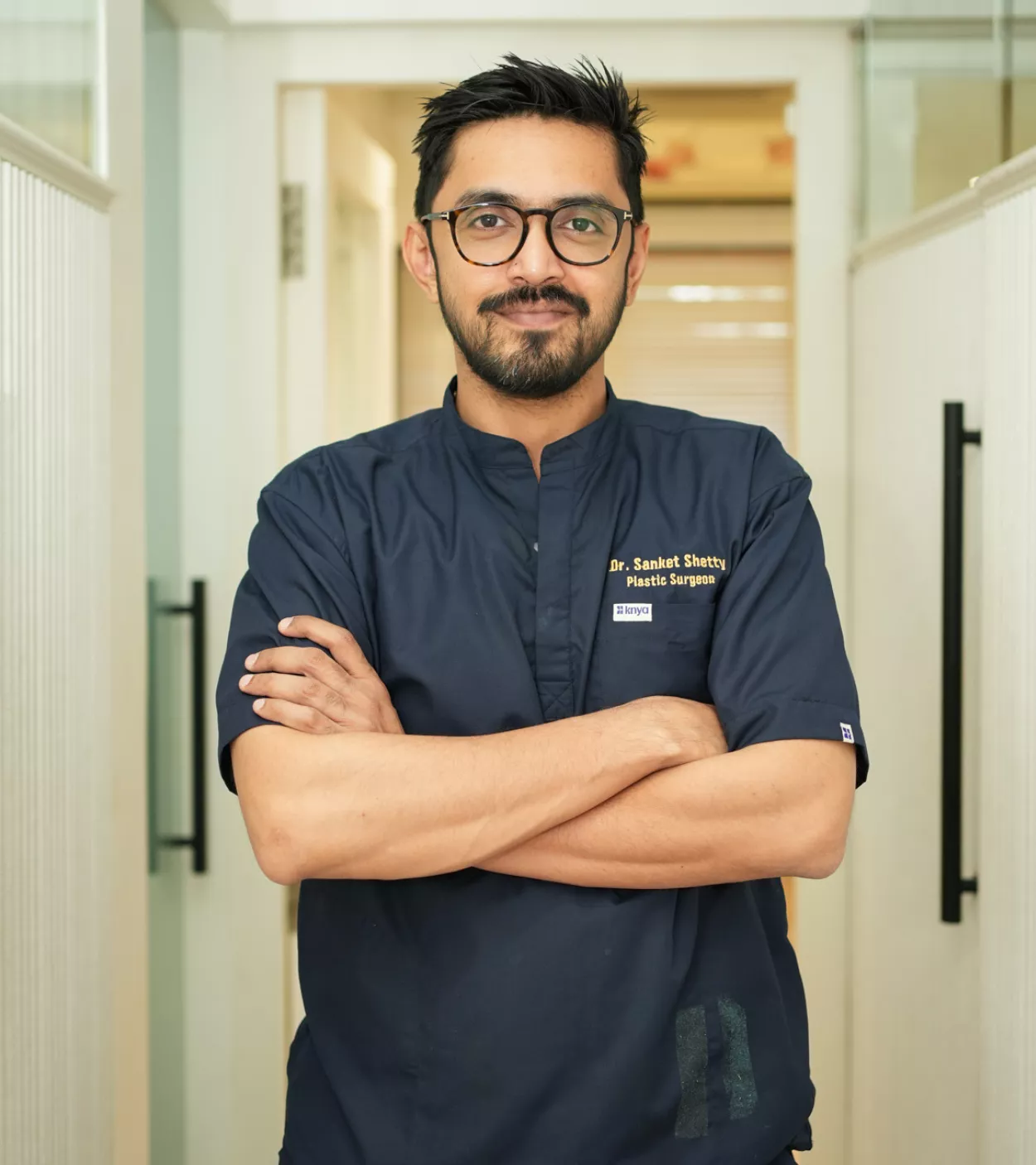
Dr. Sanket Shetty
M.Ch Plastic Surgeon with international training at Royal Stoke Hospital, UK, experienced in advanced aesthetic and reconstructive surgeries.
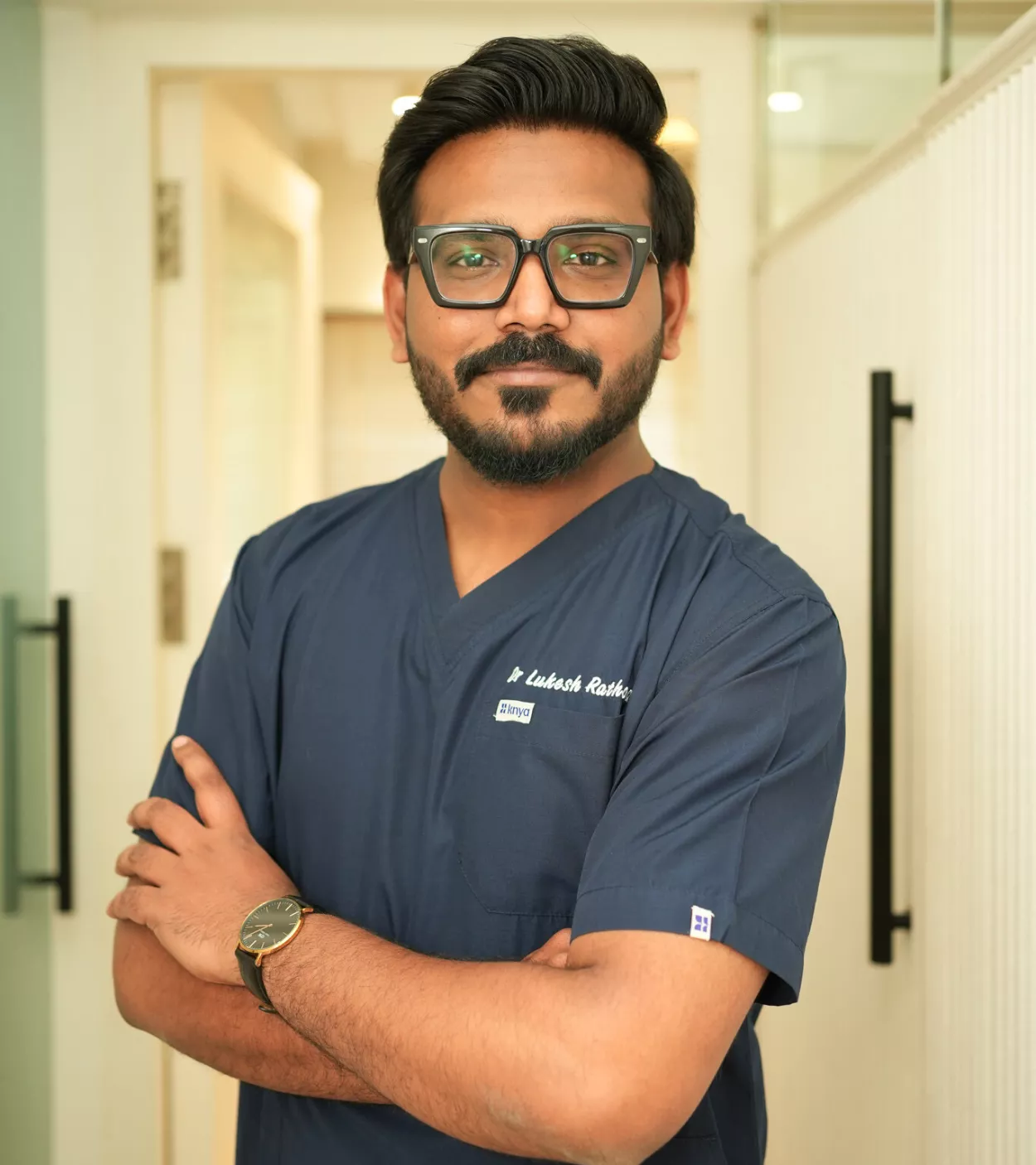
Dr. Lukesh Rathod
With over 10 years of experience, Dr. Rathod specializes in minimally invasive aesthetic procedures and advanced skin treatments
Keloid Treatment Options at Navaa
Corticosteroid Injections Triamcinolone, 5-FU and Bleomycin
These medications help reduce inflammation, flatten raised scars, and relieve symptoms such as itching or discomfort. Depending on your keloid, they may be used on their own or alongside other treatments to improve long-term results.
Surgical Excision (Keloidectomy)
Surgery removes the keloid while preserving as much healthy tissue as possible. Since surgery alone carries a higher risk of recurrence, it is usually combined with additional treatments to support better healing and lasting outcomes.
Laser Therapy for Keloids
Laser treatment can improve redness, texture, and the overall appearance of a keloid. It is often recommended as part of a combination treatment plan rather than as a standalone solution.
Cryotherapy
Cryotherapy uses controlled freezing to reduce the size of smaller keloids. It may also help soften scar tissue and improve symptoms. Your surgeon will advise whether it is suitable for your particular scar.
Silicone Sheets and Pressure Dressings
These non-surgical options help support scar healing after treatment. Regular use can improve scar quality and may reduce the likelihood of recurrence when combined with your personalised treatment plan.
Why Combination Therapy Gives Better Results
No single treatment works for every keloid. Combining surgery with carefully selected therapies helps improve healing, lower the chance of recurrence, and provide more consistent long-term results tailored to each patient.
Take the first step towards scar-free skin today — Book your consultation with a trusted keloid treatment specialist in Mumbai.
What are Keloids?
A keloid is a type of raised, overgrown scar that extends beyond the boundaries of the original skin injury. Unlike a normal scar which forms to repair damaged skin and then stops a keloid continues to grow as the body overproduces collagen during healing. The result is a firm, elevated, often shiny growth that may be pink, red, or darker than the surrounding skin. Keloids are benign they are not cancerous and pose no systemic health risk. But they can itch persistently, feel tender, restrict movement in certain locations, and cause considerable emotional distress.
Medical Definition of a Keloid Scar
Medically, a keloid is classified as a benign fibroproliferative disorder an overgrowth of dense fibrous tissue that develops at the site of a skin injury. The key cells involved are fibroblasts, which produce collagen. In keloid tissue, fibroblasts remain activated far longer than normal, continuing to deposit collagen even after the wound is clinically healed. The medical procedure for surgically removing a keloid is called a keloidectomy. When corticosteroid medication is injected directly into the keloid tissue, it is called an intralesional injection the most frequently used first-line treatment.
Keloid vs Hypertrophic Scar – What's the Difference?
These two types of raised scars are frequently confused, and the distinction matters because the treatment approach differs.
Hypertrophic scar: Raised, red, and firm but confined within the original wound boundary. Tends to improve on its own over 12 to 18 months. Responds well to silicone sheets and a short course of steroid injections.
Keloid: Grows beyond the wound boundary sometimes significantly. Does not regress on its own with time. Requires active, sustained treatment. Carries a meaningful risk of recurring after any treatment.
The simplest way to tell them apart: if the raised scar stays within the outline of the original wound, it is likely hypertrophic. If it has extended past it in any direction, it is almost certainly a keloid. Your surgeon will confirm the diagnosis at consultation.
Are Keloids Dangerous or Cancerous?
No. Keloids are entirely benign and carry no risk of becoming cancerous. They do not affect internal organs or the body’s wider systems. However, a keloid should always be assessed by a qualified surgeon before treatment not assumed to be harmless without examination. Some deep or atypical scars warrant clinical evaluation to confirm their nature. A consultation is not just about treatment planning it is also the step that rules out anything that needs a different response.
What Causes Keloids?
Keloids form when the skin’s collagen response to injury becomes excessive and sustained. Almost any break in the skin can trigger this in a susceptible person — but the same injury in someone who is not predisposed will heal into a flat, fading scar. Understanding what triggers your keloids, and where you are most prone to them, is part of building an effective treatment and prevention plan.
Common Triggers – Acne, Piercings, Surgery and Burns
Acne: Inflammatory acne particularly on the chest, shoulders, upper back, and jaw is one of the most common keloid triggers in India. Deeper lesions and picked or squeezed pimples carry a higher risk.
Ear piercings: Earlobe keloids after piercing are among the most frequently treated keloids at Navaa. Cartilage piercings carry a considerably higher keloid risk than standard lobe piercings.
Surgery: Any surgical incision can develop into a keloid in a susceptible individual. C-section scars, chest surgery scars, appendix scars, and laparoscopic port sites are all commonly affected.
Burns and lacerations: Burn injuries and deep cuts especially in high-tension areas like the chest and shoulders frequently produce keloids during the healing phase.
Tattoos and injections: The repeated needle trauma of tattooing can trigger keloids in prone individuals. Injection sites are also occasionally affected.
Why Some People Are More Prone to Keloids – Indian Skin and Genetics
Keloid formation is strongly associated with darker skin tones. Research consistently shows that people of South Asian, African, and East Asian descent develop keloids at a rate 5 to 15 times higher than those with lighter skin. This is directly relevant to the Indian population, where keloids are genuinely common and where they are frequently undertreated because they are normalised or assumed to be untreatable.
The biological reason relates to how melanocytes and fibroblasts behave during wound healing in darker skin the collagen response tends to be stronger and more prolonged. Genetics plays an equally important role. A family history of keloids significantly raises your individual risk. If a parent or sibling has had keloids, your own susceptibility is considerably higher.
Common Locations – Ear, Chest, Face and Post-Surgical Sites
Ears: The earlobe following piercing is the most common site. Cartilage locations carry a higher risk and produce keloids that are often harder to treat due to the anatomy of the area.
Chest and sternum: The upper chest and sternum are high-tension areas subject to constant movement from breathing and daily activity. Keloids here tend to be larger, flatter, and more prone to recurrence after treatment.
Shoulders and upper back: Common locations for acne-related keloids, particularly in younger patients.
Face and jaw: Acne keloids along the jawline and lower cheeks are seen frequently. Because of their visibility, these cause significant cosmetic and emotional concern.
Post-surgical sites: C-section scars, appendix scars, laparoscopic ports, and chest surgery incisions are all common keloid sites.
Signs and Symptoms of a Keloid
How a Keloid Looks and Feels
Keloids typically present as raised, firm growths that are smooth and shiny on the surface. Their colour ranges from pink or red in early, active keloids to a darker brown or near-skin-tone in older, more established ones. In Indian skin, keloids are frequently hyperpigmented notably darker than the surrounding skin which increases their visual prominence. Symptomatically, active keloids are often itchy sometimes intensely so and may feel burning, tight, or tender to the touch. This symptom profile tends to be most pronounced while the keloid is still growing. Older, stable keloids may cause less discomfort but remain cosmetically significant.
When to Seek Treatment
You should seek a consultation if:
- A scar is continuing to grow and has extended beyond the edges of the original wound
- The scar is persistently itchy, burning, or tender
- It is restricting your movement or catching on clothing or jewellery
- It is affecting your confidence or causing you to avoid social situations
- A previous keloid treatment has not produced lasting results
- You are planning a procedure and want to discuss prevention given your keloid history
Earlier treatment is almost always more effective. A young, actively growing keloid responds better to steroid injections than a large, established, hardened one — which may require surgery before injections can work.
Keloids by Location – Ear, Chest, Face and Post-C-Section
Ear Keloid Removal
Ear keloids most commonly on the earlobe following piercing are among the most frequent presentations at Navaa. They range from small, firm nodules to large, lobulated masses that have grown over years and significantly changed the ear’s appearance. Small ear keloids presenting early often respond well to steroid injections alone; three to six sessions can produce meaningful flattening. For larger or longstanding ear keloids, surgical excision is the appropriate starting point, followed immediately by steroid injection into the wound margins and a structured post-operative injection schedule. A pressure earring worn consistently for six to twelve months post-surgery is an important component. The recurrence rate for ear keloids treated with surgery alone is high when combination treatment achieves substantially better long-term results.
Chest Keloid Treatment
The chest and sternum represent one of the most challenging sites for keloid treatment. The skin of the upper chest is under continuous tension from breathing, arm movement, and postural changes and this mechanical stress sustains collagen production during healing, making keloids here more likely to grow large and more likely to recur after treatment. Chest keloids arising from acne, burns, or surgical incisions can spread into broad, flat plaques. For smaller chest keloids, steroid injections combined with silicone sheets is the starting approach. For larger ones, surgical excision followed by a full combination programme is required. Pressure therapy in the form of a chest garment is particularly important post-treatment.
Face Keloid Treatment
Keloids on the face most commonly along the jawline, lower cheeks, and chin from acne are approached with particular care because cosmetic outcomes in this location carry significant weight. Steroid injections are the primary approach for facial keloids, with careful dosing to avoid skin thinning or hypopigmentation. Where surgery is required, incision placement follows natural skin lines wherever possible. Laser treatment can be a useful addition for reducing redness and improving surface texture. Patients dealing with acne scarring alongside facial keloids may also benefit from Acne Scar Treatment in Mumbai at Navaa.
Post-Surgical and Post-C-Section Keloids
Keloids developing on a C-section scar are a common and distressing presentation. The horizontal lower abdominal incision sits in an area subject to movement and tension, and in keloid-prone women, the scar can thicken, raise, and spread considerably beyond the incision line. Treatment planning for post-C-section keloids takes into account whether further pregnancies are planned injections can be initiated after breastfeeding is complete, and surgical revision is generally deferred until the patient is not planning to conceive again in the near term. Similarly, keloids at other post-surgical sites appendix scars, laparoscopic port scars, chest surgery incisions are assessed and planned individually. For scars that require formal revision, see Scar Revision Surgery in Mumbai.
The Keloid Treatment Procedure at Navaa – Step by Step
Consultation and Keloid Assessment
Your journey begins with a detailed consultation to understand your keloid, symptoms, and treatment history. We assess the scar’s size, location, skin type, and any previous treatments before recommending the most suitable approach for you.
Treatment Planning – Choosing the Right Approach
Based on your assessment, your surgeon creates a personalised treatment plan. This may include surgery, injections, laser therapy, or a combination of treatments, depending on your keloid and the best long-term outcome.
The Procedure
Treatment is performed under local anaesthesia for your comfort. Depending on your plan, the keloid may be removed or treated with injections. Most procedures are completed as a day-care treatment, allowing you to return home the same day.
Recovery, Aftercare, and Follow-Up
Recovery is closely monitored with scheduled follow-up visits. You will receive clear aftercare instructions, and additional treatments may be recommended to support healing and reduce the risk of the keloid returning.
How to Prevent Keloids from Coming Back
Why Keloids Recur After Treatment
Understanding why keloids recur helps explain why treatment requires sustained commitment rather than a single procedure. The underlying biology a tendency for fibroblasts to overproduce collagen in response to injury is not eliminated by any current treatment. It is suppressed during and immediately after treatment, but the predisposition remains. Surgical excision creates a new wound at the keloid site. In a patient with keloid tendency, the healing process can restart the same overproduction of collagen that created the original keloid. Adjuvant treatment injections, pressure, silicone works by interrupting this response during the critical post-operative window.
Post-Treatment Care to Reduce Recurrence
Complete every injection session: The post-operative injection schedule is the most important factor in preventing recurrence after surgery. Missing sessions or stopping early because the wound looks healed is the most common reason keloids return.
Wear silicone sheets consistently: Silicone requires prolonged, consistent contact with the skin to be effective ideally twelve or more hours per day for three to six months. Intermittent use produces minimal benefit.
Maintain pressure therapy: Pressure earrings for ear keloids, pressure garments for chest and body keloids worn continuously for the recommended duration, typically six to twelve months post-surgery.
Protect from sun exposure: UV exposure stimulates melanocyte activity and can worsen pigmentation in healing skin. Apply SPF 50 to all treated areas exposed to sunlight throughout the treatment period.
Attend every follow-up: Early signs of recurrence can often be managed with a prompt injection before a full keloid reforms. Catching it at a follow-up visit is far easier than treating a re-established keloid.
Preventing Keloids After Surgery or Piercing
If you have a personal or family history of keloids, prevention is as important as treatment. Before any planned surgery, inform your surgeon. A proactive plan beginning silicone sheeting as soon as the wound heals, starting steroid injections at the first sign of thickening, and using pressure dressings during the healing phase can prevent a keloid from forming in the first place.
For piercings: lobe piercings carry a lower risk than cartilage piercings, but both carry some risk for keloid-prone individuals. If you have previously developed an ear keloid, cartilage piercings are best avoided entirely. For acne: aggressive management of active acne reduces keloid risk. Inflammatory lesions that are picked or squeezed cause deeper skin damage and significantly raise the probability of keloid formation.
Keloid Treatment Cost in Mumbai
Because every keloid differs in size, location, age, skin type, and treatment history the cost of treatment at Navaa is confirmed after the surgeon has assessed the keloid in person. A detailed estimate is provided at consultation before any treatment is undertaken.
Factors Affecting the Cost
- Size and location larger keloids and those in technically demanding locations require more surgical time and precision
- Number of injection sessions treatment is priced per session; a small early keloid may need 3–4 sessions, a large or previously treated one may need 6 or more
- Treatment modality intralesional injections, surgical excision, and laser treatment each have different cost structures
- Combination approach a full structured programme is more comprehensive and involves more touchpoints than a single-modality approach
- Histopathology tissue removed during surgery is sent for laboratory analysis as standard; the pathology fee is confirmed in advance
Cost by Treatment Type
Intralesional injection sessions are the most accessible entry point for keloid treatment and are priced per session. Surgical excision carries higher costs reflecting the clinical environment, anaesthesia, and post-operative care involved. Laser treatment, where used, is priced per session based on the area treated.
At Navaa Plastic and Cosmetic Surgery Clinic, every treatment plan is tailored to deliver the best possible outcomes. A complete cost breakdown is provided at consultation covering the estimated number of sessions, the recommended modalities, and any anticipated add-ons. No treatment proceeds without this conversation first.
Recovery and Results
- After injection sessions: return to normal activities the same day mild swelling or redness settles within 24–48 hours
- After surgical excision: sutures removed at 5–7 days (face) or 10–14 days (body); silicone and pressure therapy begin once the wound is fully healed
- Pressure garments or pressure earrings should be worn continuously for 6–12 months post-surgery
- Silicone sheets should be worn for a minimum of 12 hours per day for 3–6 months
- The full treatment course including all injection follow-ups is what most significantly reduces recurrence risk
- SPF 50+ sun protection throughout the treatment period prevents pigmentation changes on healing skin
- A small ear keloid treated with injections may show significant improvement within 3–4 months; a large chest keloid treated surgically may involve active management over 12–18 months
Our Approach to Natural Results
Keloid treatment at Navaa is built around one principle no single treatment is enough. Every plan is a structured combination approach, designed from the first consultation with the full course in mind. Patients who have been through ineffective single-modality treatment elsewhere deserve a better structured approach, and that is what we provide. Follow-up visits are built into the plan, not scheduled reactively. Adjustments are made based on the keloid’s response at each review. For a broader view of skin treatments at Navaa, explore Mole Removal Treatment in Mumbai and all Skin Treatments at Navaa.

Take the first step towards smoother skin today — Book your consultation with an expert keloid removal doctor in Mumbai.

Visit Best Clinic for keloid treatment in Mumbai.
Navaa Aesthetics – Plastic Surgery Clinics
4th floor, 405, Morya Estate, New Link Rd, opp. Infinity Mall, Veera Desai Industrial Estate, Andheri West, Mumbai
Frequently Asked Questions About Keloid Treatment in Mumbai
Can keloids be permanently removed?
Do keloids grow back after surgery?
How many injection sessions are needed?
Is keloid treatment safe for darker skin tones?
What is the difference between a keloid and a hypertrophic scar?
Can I treat a keloid at home?
How long does keloid treatment take?
Is keloid treatment painful?
Still have questions or need personalised guidance? Our experts are here to help you make informed and confident decisions—every step of the way.
⭐⭐⭐⭐⭐ Rated 4.9/5 by 500+ Patients in Mumbai
Treat keloids effectively with expert care and advanced solutions.
Navaa Plastic and Cosmetic Surgery Clinic, Andheri,
Mumbai
Book your consultation today